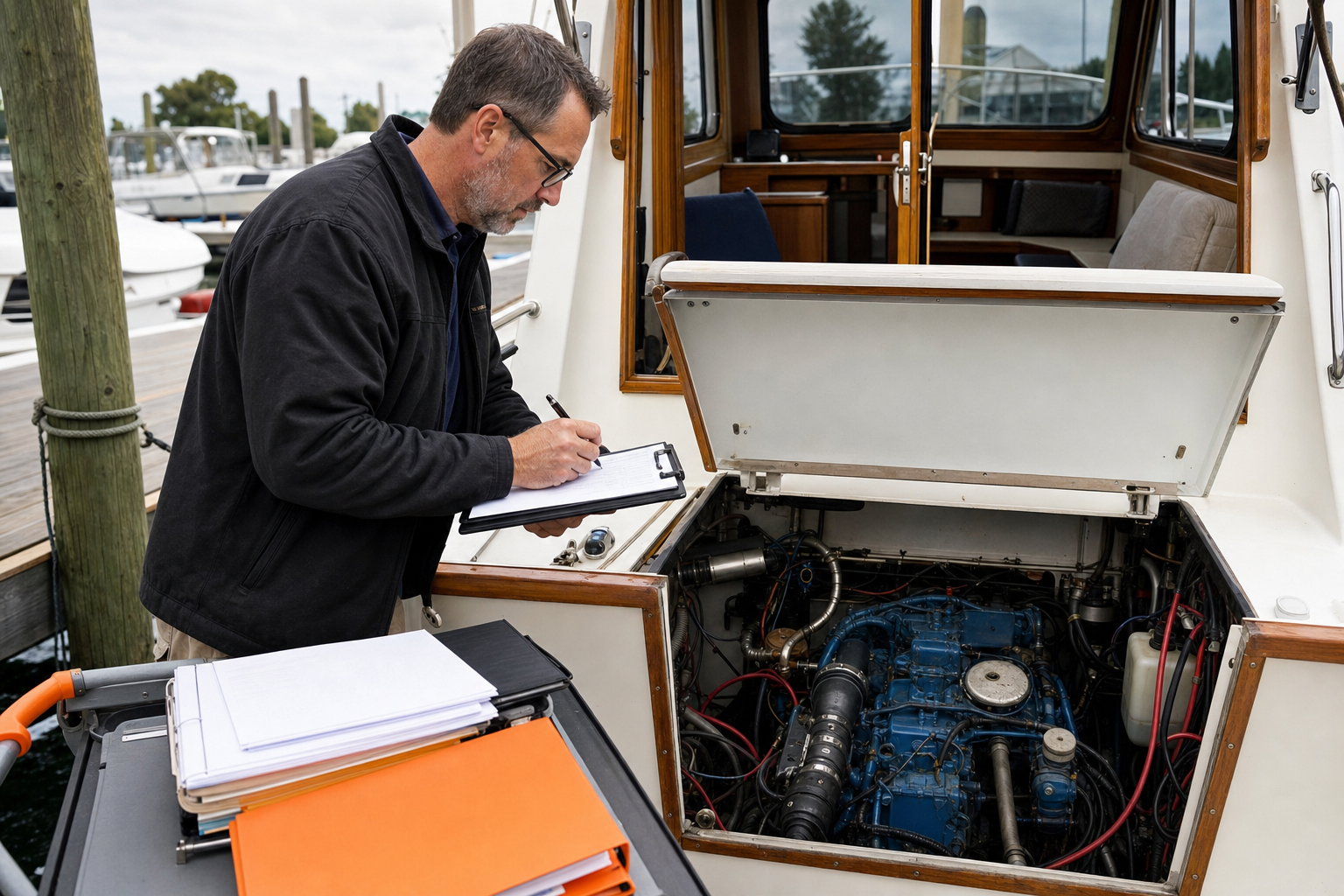
Bareboat charters are rapidly reshaping the marine industry in 2025. Is your business ready to meet the legal and operational essentials that come with this shift?
This guide on bareboat necessities equips boat and yacht charter companies with the critical insights needed to stay compliant, profitable, and competitive. As demand and regulatory scrutiny rise, understanding the fundamentals is more important than ever.
Inside, you will discover clear explanations of legal definitions, compliance checklists, operational best practices, technology upgrades, risk management strategies, and effective crew training—all tailored for the evolving 2025 landscape.
Take actionable steps to maximize your bookings, avoid costly pitfalls, and ensure your charter operations are future-ready. Prepare to upgrade your bareboat program for success in the year ahead.
Understanding Bareboat Charters: Legal Framework and Definitions
Navigating the legal landscape of bareboat charters is essential for any yacht or boat charter company looking to thrive in 2025. Understanding bareboat necessities is not just about compliance, it is about building a resilient and profitable business. Let us break down the legal framework and definitions you need to master for successful operations.
Legal Definition of Bareboat Charter
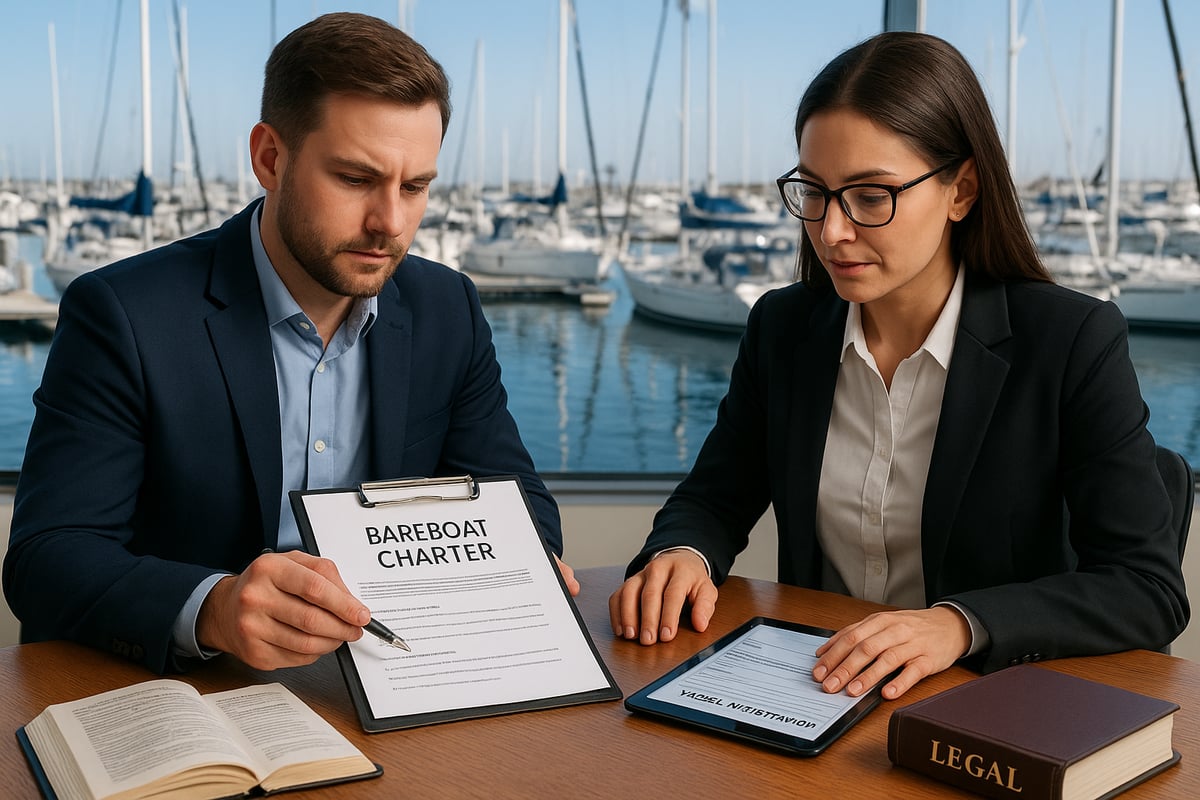
A bareboat charter is a unique arrangement where the charterer assumes full possession and control of the vessel, operating as the temporary owner. Unlike crewed charters, the charterer is responsible for hiring crew, navigation, and daily management. Both the U.S. Coast Guard and international authorities define bareboat charters by this transfer of operational responsibility.
This distinction is vital for regulatory and tax purposes. Misclassifying charters can lead to severe legal consequences, such as fines or loss of operating licenses. Recent cases show that companies failing to uphold the bareboat necessities of proper vessel handover and clear agreements risk enforcement actions.
Regulatory Requirements for Bareboat Charters
Federal regulations, including those set by the USCG, SOLAS, and MARPOL, set baseline standards for bareboat operations. State and local authorities may impose additional requirements, such as specific equipment or inspection protocols.
Key documentation includes:
- Written charter agreements
- Vessel registration papers
- Proof of insurance
Vessel eligibility is determined by size, equipment, and inspection records. Compliance pitfalls often involve outdated paperwork or missing safety gear. Recent enforcement trends show an uptick in audits and penalties for companies neglecting these bareboat necessities.
Tax and Licensing Implications
Tax treatment for bareboat charters differs from crewed operations. Sales and use tax obligations depend on how the charter is classified and where the vessel operates. Charterers may also need specific licenses, especially for commercial use.
Registration requirements vary between commercial and recreational vessels. Companies have faced audits and penalties for misreporting charter activity or failing to collect the correct taxes. In 2025, updated tax laws are expected to impact bareboat necessities, making accurate recordkeeping and legal advice more important than ever.
Differentiating Bareboat from Time or Voyage Charters
The primary difference lies in control. In a bareboat arrangement, the charterer provides the crew and manages all aspects of operation. In time or voyage charters, the owner retains operational control and provides the crew.
Legal precedents highlight the risk of misclassification, which can affect liability and insurance. Here is a quick checklist for structuring charters correctly:
| Charter Type | Who Provides Crew | Who Controls Operation | Liability |
|---|---|---|---|
| Bareboat | Charterer | Charterer | Charterer |
| Time/Voyage | Owner | Owner | Owner |
Ensuring you meet the bareboat necessities for proper classification protects your business from legal disputes and insurance gaps.
International Bareboat Charter Regulations
International regulations vary widely, especially between the EU, Caribbean, and Asia-Pacific regions. Cross-border charters must consider both flag state and port state control, and documentation requirements can differ.
For instance, the Merchant Shipping Act, 2025 in India aligns domestic law with international conventions, directly impacting bareboat operations. Regional enforcement actions have increased, with authorities focusing on proper documentation and compliance.
Staying current with international bareboat necessities is crucial. Trends for 2025 point to stricter global enforcement and updated regulatory frameworks, especially for operators crossing multiple jurisdictions.
Building a Compliant Bareboat Charter Program
Building a compliant bareboat charter program is essential for any operator aiming to thrive in the evolving 2025 market. By focusing on documentation, vessel readiness, charterer vetting, insurance, and ongoing compliance, you can ensure your business meets regulatory standards and delivers a safe, seamless experience. Let us break down the bareboat necessities you need to address in each area.
Essential Documentation and Recordkeeping
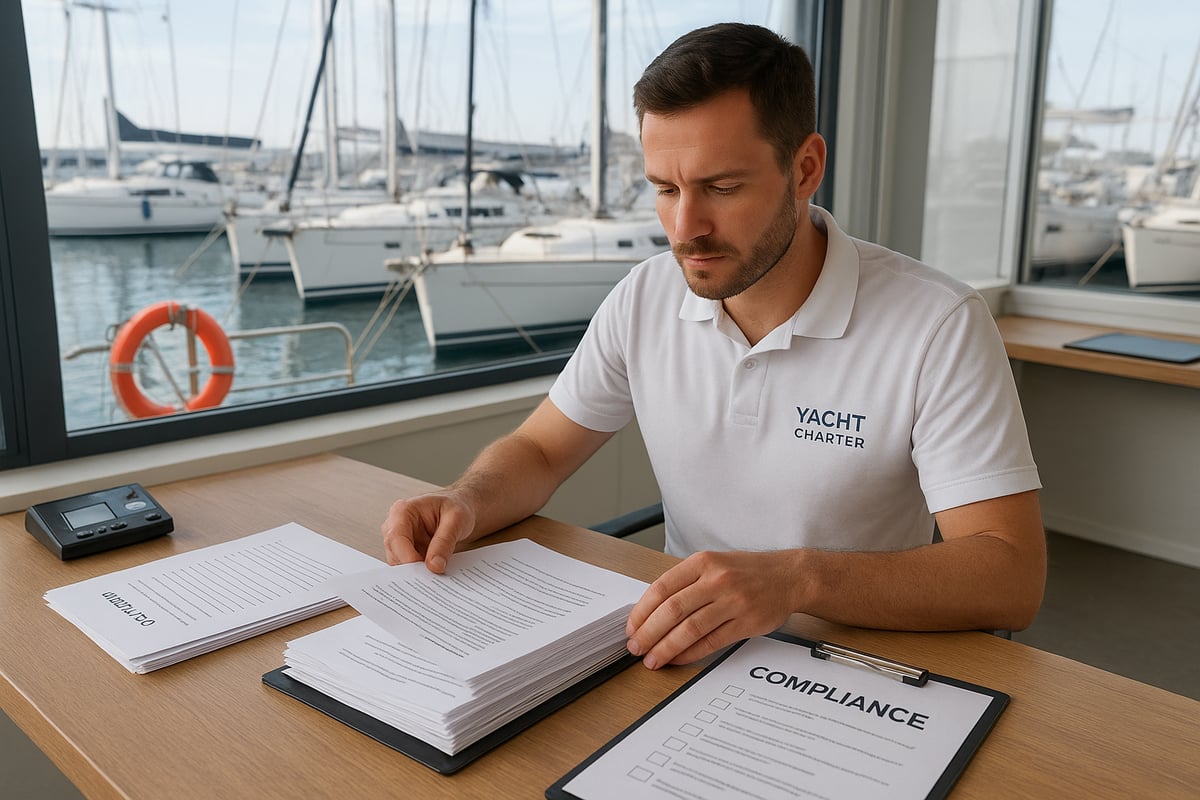
Effective recordkeeping is the cornerstone of bareboat necessities. Every charter must start with a robust, legally sound agreement detailing the vessel transfer, charterer obligations, and terms of use. Maintain clear delivery and acceptance forms to document when control passes to the charterer.
Store insurance certificates, liability waivers, and vessel registration in both digital and physical formats. Maintenance logs and inspection records should be updated before and after each charter. Adopting industry best practices, such as those found in this SEO checklist for marine industry, can streamline compliance and documentation. Consistent, organized records protect your company in audits and disputes.
Vessel Requirements and Equipment Standards
Meeting vessel standards is a critical part of bareboat necessities. Each vessel must have up-to-date navigation tools, safety equipment, and emergency systems as required by law. For 2025, ensure your fleet includes modern technology like AIS, EPIRB, and compliant VHF radios.
Accessibility features and ADA compliance are increasingly important. Use a checklist for annual inspections, confirming all safety gear is present and functional. Document any failed inspections and corrective actions taken, as these records support your compliance efforts and demonstrate due diligence.
Charterer Qualifications and Vetting
Properly vetting charterers is a key part of bareboat necessities. Require proof of licensing or certification, such as ICC, NASBLA, or RYA credentials. Verify each applicant's boating experience and check references when possible.
Implement a charterer orientation program covering vessel operation and emergency protocols. Have all charterers sign liability waivers and participate in a safety briefing. Document every step of the vetting process to reduce risk and demonstrate compliance if incidents occur.
Insurance and Liability Coverage
Insurance is one of the most important bareboat necessities for operators. Secure comprehensive coverage, including hull, protection and indemnity (P&I), pollution, and personal injury. Clearly define the responsibilities of both owner and charterer regarding claims.
Prepare for scenarios such as collisions, injuries, or environmental events by reviewing policy limits regularly. Stay informed about 2025 insurance trends, which may affect premiums and available coverages. Underinsurance can lead to significant losses, so review policies annually and document all claims and communications.
Audit and Compliance Procedures
Regular audits are an essential part of bareboat necessities. Maintain detailed internal checklists for all compliance areas. Prepare thoroughly for Coast Guard or regulatory inspections by keeping all records organized and up to date.
Develop corrective action plans for any deficiencies found during audits. Consider hiring third-party consultants for unbiased compliance reviews. Track audit frequency and common violations to identify improvement areas and reduce risk. Staying audit-ready helps safeguard your business and maintains your reputation in the competitive charter market.
Operational Essentials for 2025 Bareboat Sailors
Meeting the evolving demands of modern sailors means operational excellence is no longer optional. Charter companies must master the full range of bareboat necessities to ensure legal compliance, safety, and customer satisfaction in 2025. Let’s break down the core operational essentials every business needs to address.
Pre-Charter Briefing and Handover Process
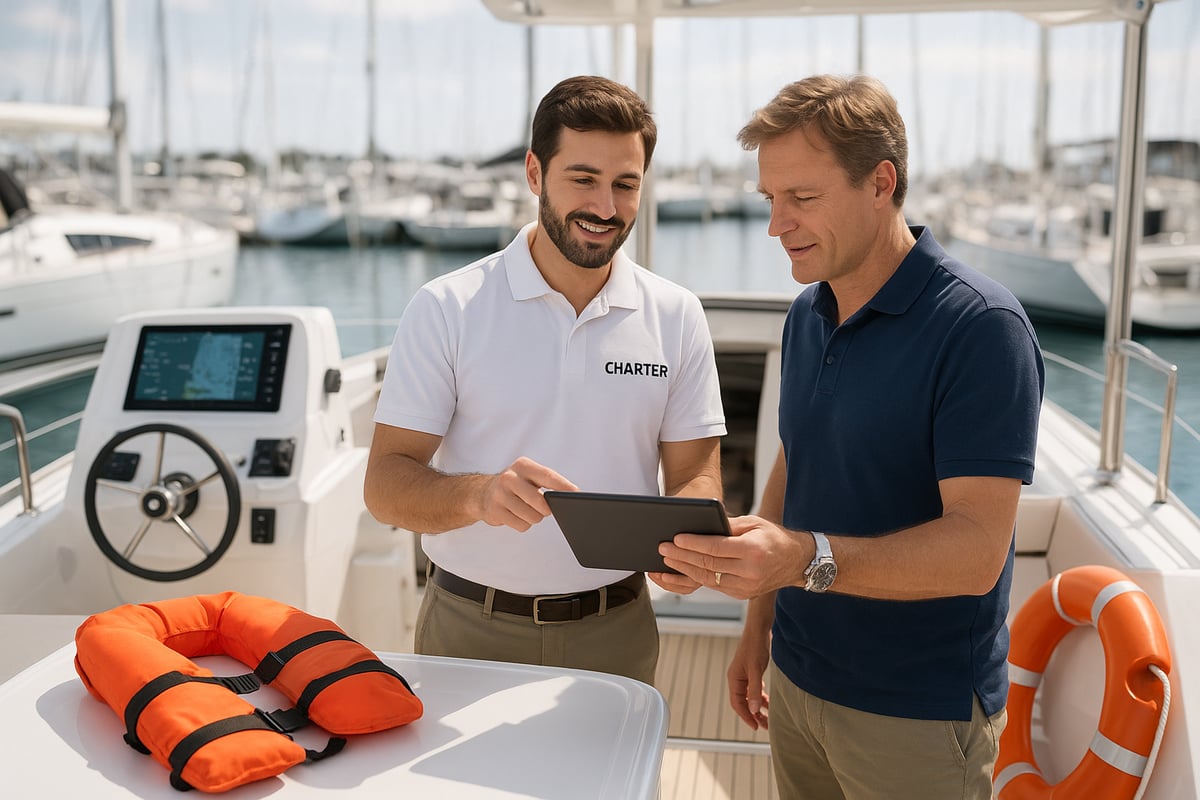
A streamlined handover is central to bareboat necessities for 2025. Start with a standardized checklist covering vessel systems, safety gear, and essential documentation. Walk the charterer through key features, ensuring they understand engine controls, navigation electronics, and emergency shutdowns.
- Review all documentation, including insurance and registration.
- Demonstrate the location and use of life-saving appliances.
- Provide a digital or paper acceptance form for the charterer to sign.
Clear communication of procedures reduces confusion and helps avoid disputes after the trip. By prioritizing these bareboat necessities, you foster trust and set up each voyage for success.
Onboard Technology and Navigation Systems
State-of-the-art navigation is now a cornerstone of bareboat necessities. Modern fleets should feature updated chartplotters, touchscreen controls, and reliable sensor integration. Systems like OpenCPN and SignalK offer user-friendly interfaces and real-time data for safe passage planning.
Integrating Marine OS platforms allows for centralized management of navigation, safety, and entertainment features. As highlighted in Digital Transformation in Yachting, IoT and AI innovations are rapidly reshaping charter operations. Investing in these bareboat necessities not only enhances safety but also elevates the guest experience.
Safety Equipment and Procedures
Robust safety protocols are non-negotiable bareboat necessities. Ensure all lifejackets, liferafts, fire suppression systems, and signaling devices comply with SOLAS and local regulations. Regularly run safety drills with charterers, using digital manuals or QR code-based instructions for quick access.
- Confirm the presence of up-to-date flares and first aid kits.
- Provide clear guidance on man-overboard and fire scenarios.
- Require charterer sign-off on safety briefings.
A proactive approach to bareboat necessities in safety reduces risk and demonstrates your commitment to passenger welfare.
Environmental and Waste Management Compliance
Environmental stewardship is a key aspect of bareboat necessities in 2025. MARPOL regulations require strict waste disposal protocols, including the management of greywater and blackwater systems. Equip vessels with eco-friendly products and educate charterers about their responsibilities.
- Install labeled waste bins and disposal instructions.
- Use biodegradable cleaning agents.
- Monitor and document waste handling in logbooks.
Proactive communication and clear signage help ensure your bareboat necessities align with both legal and ethical standards, minimizing environmental impact.
Post-Charter Inspections and Turnaround
Efficient turnaround processes form the backbone of operational bareboat necessities. Conduct thorough inspections upon return, documenting any damage or discrepancies. Digital inspection apps streamline this process, providing real-time reporting and photographic evidence.
- Check inventory and restock supplies.
- Assess cleanliness and arrange for necessary repairs.
- Manage security deposit returns transparently.
By refining these bareboat necessities, you maximize bookings, reduce downtime, and maintain a reputation for professionalism.
Technology and Digital Transformation in Bareboat Operations
The rapid evolution of technology is redefining bareboat necessities for charter operators. Staying ahead means embracing digital transformation at every operational level. Modern systems not only streamline compliance but also enhance guest experience and fleet profitability.
Integrating Marine Operating Systems (e.g., BBN OS)
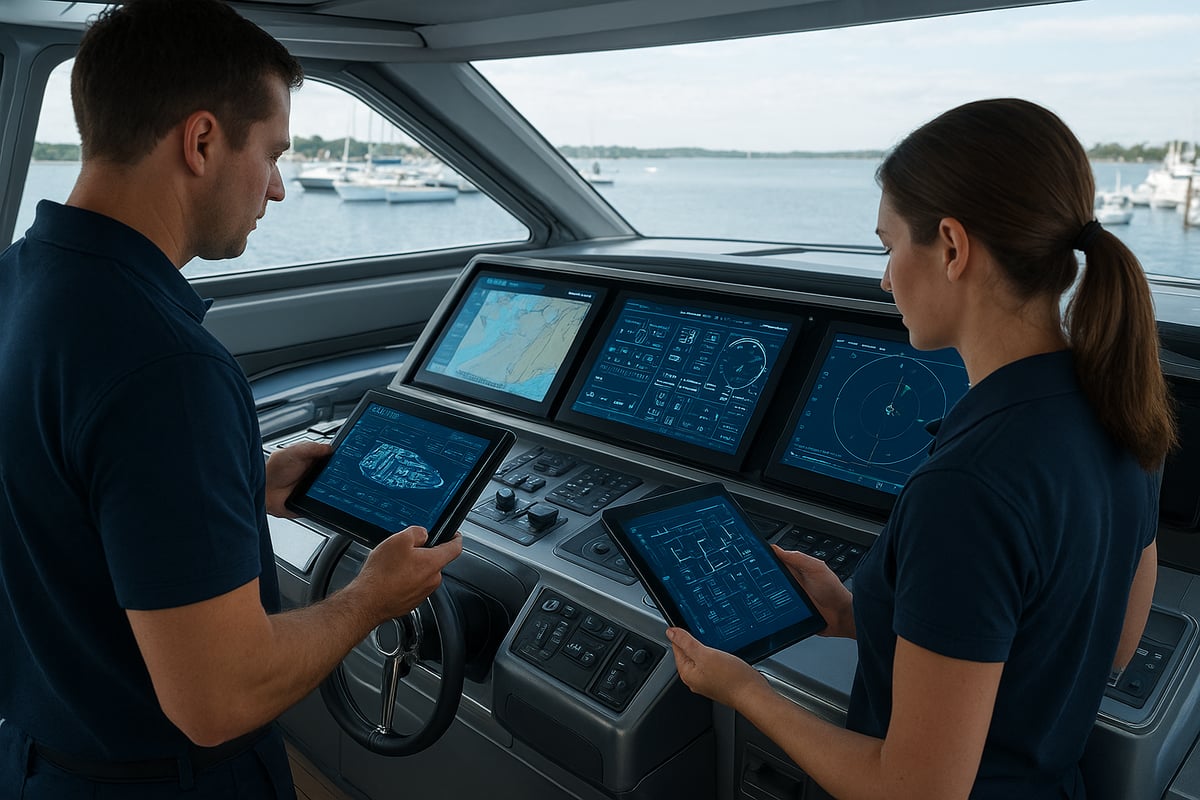
Integrating robust marine operating systems is now a core part of bareboat necessities. Platforms like BBN OS allow for centralized management of navigation, safety, and entertainment controls. Operators can choose between open-source and proprietary solutions, each offering different levels of customization and support.
These systems improve efficiency by consolidating vessel data and automating routine tasks. For example, fleet managers can monitor multiple yachts from a single dashboard, track maintenance schedules, and trigger alerts for compliance deadlines. Scalability is a major benefit, as adding new vessels or upgrading features becomes seamless.
In 2025, expect further adoption of marine OS platforms, as cost benefits and industry-wide digital standards continue to drive change. Investing in these solutions is no longer optional for companies committed to meeting bareboat necessities.
Remote Monitoring and Predictive Maintenance
Remote monitoring technologies have become essential bareboat necessities. Sensor networks now track engine health, bilge levels, and environmental conditions in real time. Owners and charterers receive instant alerts if abnormal readings are detected, allowing for quick response to prevent damage.
Predictive maintenance leverages this data to forecast when parts need service or replacement. This proactive approach reduces costly breakdowns and minimizes charter interruptions. Operators have reported significant ROI, as digital maintenance investments extend equipment life and lower emergency repair costs.
Real-world examples show that fleets using remote monitoring have avoided major failures, saving both time and money. Integrating these tools into your bareboat necessities checklist ensures smoother operations and higher customer satisfaction.
Digital Booking and Compliance Platforms
Digital booking and compliance platforms are transforming how charter companies manage bareboat necessities. These systems streamline reservations, automate compliance checks, and enable e-signature of charter agreements. Key features include real-time insurance verification and automated qualification screening for charterers.
Leading platforms also integrate marketing tools, helping operators increase visibility and attract new clients. For insights on how to boost bookings while maintaining compliance, explore Yacht charter SEO strategies. Adopting these platforms enhances customer experience and reduces legal risk.
The 2025 landscape will see even higher adoption rates, as digital solutions become the industry standard for managing bareboat necessities efficiently.
Data Security and Privacy in Charter Operations
As digital systems become central to bareboat necessities, data security and privacy are critical. Charter companies must safeguard customer and vessel data through robust cybersecurity protocols. Compliance with GDPR, CCPA, and emerging maritime data laws is mandatory.
Best practices include using encrypted storage, regular system updates, and strict access controls. Onboard systems should be protected against cyber threats to prevent unauthorized access or data breaches. Notable incidents in recent years highlight the importance of investing in security measures.
Staying informed about 2025 regulatory updates will help operators keep their bareboat necessities program compliant and trustworthy.
Leveraging Analytics for Fleet Optimization
Analytics are now a powerful component of bareboat necessities. Operators can track vessel utilization, analyze customer feedback, and implement dynamic pricing models based on demand trends. Maintenance schedules can be optimized using data-driven insights, reducing downtime and controlling costs.
Benchmarking against industry standards helps identify areas for improvement. Companies leveraging analytics have reported revenue increases of 10 percent or more by making smarter, data-driven decisions.
Embedding analytics into your bareboat necessities strategy ensures your fleet remains competitive and responsive to market shifts.
Risk Management and Crew Training for Bareboat Charters
Successfully running legal bareboat charters in 2025 requires a proactive approach to risk management and crew training. Operators must address both regulatory obligations and customer expectations to ensure smooth operations and compliance. Proper implementation of bareboat necessities will help minimize incidents, reduce liability, and build a reputation for safety and professionalism.
Charterer and Crew Safety Training
Comprehensive safety training is one of the most critical bareboat necessities for charter businesses. All charterers and potential crew members should complete mandatory safety modules, covering areas such as vessel operation, navigation basics, and emergency procedures. Training can be delivered online for convenience or in-person for practical skill-building.
Certification programs like RYA or ASA are widely recognized and can lead to lower insurance premiums. Data consistently shows that trained charterers experience fewer incidents, highlighting why safety education is a cornerstone of bareboat necessities. Operators should document all completed training for regulatory and insurance compliance.
Emergency Response and Crisis Management
Preparing for emergencies is an essential part of bareboat necessities. Every charter program should establish clear emergency contact protocols, including 24/7 support lines and escalation steps. Vessels need onboard medical kits, and operators should consider providing telemedicine access for remote support.
Regular crisis drills, both simulated and live, ensure charterers know how to respond to fires, medical issues, or equipment failures. Coordination with local authorities and search and rescue teams is vital. In one incident, effective training allowed a charter group to manage a sudden storm and safely return to port, demonstrating the value of robust crisis management.
Liability Mitigation and Incident Reporting
A well-defined incident reporting process is another pillar of bareboat necessities. Standardized forms help ensure that all necessary details are captured promptly, reducing the risk of disputes or insurance delays. Immediate reporting is always preferable to delayed submissions, as it preserves evidence and supports legal protections.
Involving legal counsel early can help clarify responsibilities and streamline claims. Lessons from high-profile incidents underline the importance of thorough documentation and transparency. Efficient incident reporting also contributes to smoother insurance claim processing and improved risk profiles for charter operators.
Dispute Resolution and Customer Satisfaction
Clear policies for resolving disputes related to damage, delays, or dissatisfaction are among the bareboat necessities that protect both businesses and clients. Offering mediation or arbitration options can help resolve issues without escalating to costly legal battles.
Effective communication is key. Operators should use technology to gather real-time feedback and address problems quickly. Proactive support reduces negative reviews and builds customer loyalty. For example, a digital feedback tool enabled one operator to resolve a cleaning dispute within hours, turning a potential complaint into a positive testimonial.
Continuous Improvement and Regulatory Updates
Continuous improvement is crucial for staying ahead of evolving bareboat necessities. Ongoing staff training, subscribing to regulatory bulletins, and annual reviews of policies ensure that your team stays current. Leveraging customer data can also highlight areas for service enhancements.
Staying informed about changing regulations is non-negotiable. For instance, recent New Boating Laws in the Bahamas have introduced stricter requirements for charter operators, emphasizing the need for regular compliance updates. Looking ahead to 2025, anticipate further regulatory shifts and prepare your business accordingly.
Regional Considerations and Future Trends for 2025
Charter companies must adapt their approach to bareboat necessities by considering regional regulations and market changes. Understanding how local trends and innovations shape the industry in 2025 is key to staying competitive and compliant. This section highlights essential differences and emerging developments across major charter markets.
U.S. and Caribbean Bareboat Charter Markets
The U.S. and Caribbean remain hotspots for charter demand, with seasonality driving peak bookings. Bareboat necessities here include strict adherence to USCG and local rules, as well as comprehensive insurance and tax compliance. Operators face unique challenges, such as hurricane preparedness and varying state regulations. Popular destinations like the British Virgin Islands and Florida Keys continue to attract growth, yet recent enforcement actions highlight the need for meticulous documentation. Companies seeking to boost regional visibility should consider local SEO for marine businesses as part of their marketing strategy.
European and Mediterranean Bareboat Operations
Europe’s bareboat necessities are shaped by EU directives and country-specific laws. Operators must comply with licensing such as the ICC, and pay close attention to environmental mandates, especially in the Mediterranean. Green chartering is gaining traction, with an increasing focus on waste management and low-emission operations. Adapting to new EU standards, companies are investing in advanced tech for vessel monitoring and customer service. These trends highlight the importance of continuous regulatory review and operational upgrades to maintain market share.
Asia-Pacific and Emerging Markets
Asia-Pacific is experiencing rapid charter growth, particularly in Southeast Asia, Australia, and the Pacific Islands. Bareboat necessities in this region involve navigating diverse legal frameworks and ensuring local crew or charterer qualifications are met. Fleet expansion opportunities abound, but cultural expectations and language differences can influence the charter experience. For 2025, market entry strategies should include careful research into licensing, environmental practices, and customer preferences to stand out in a competitive landscape.
Innovations Shaping Bareboat Charters in 2025
Innovation is redefining bareboat necessities worldwide. Autonomous navigation systems, remote support, and green technologies like electric propulsion and solar energy are becoming standard. Advanced booking software and digital fleet management enhance efficiency and customer satisfaction. Operators leveraging sustainable boating trends are well positioned for success as clients demand eco-friendly options. Looking ahead, expect further integration of AR, VR, and predictive analytics to transform the charter experience.
Navigating the evolving landscape of bareboat charters in 2025 means staying ahead of new regulations, technology upgrades, and rising customer expectations. If you’re serious about keeping your charter business compliant, competitive, and fully booked year round, the right strategy can make all the difference. At Aquatic SEO, we blend real marine industry know how with proven digital marketing solutions—so you can focus on what you do best while we handle the rest. Ready to make your operations seamless and your bookings predictable? Schedule a Free Strategy Call and let’s chart a course for your success.