
In 2025, search engines are smarter and more competitive than ever. Is your marine business ready to keep up with the digital tide?
Many marine businesses are finding it tougher to stand out online as Google and GenAI search results evolve. The competition for attention is fierce, and the old tricks just don’t work anymore.
That’s where seo rich text comes in. This guide reveals how the right approach can dramatically boost your marine business’s visibility and rankings, helping you dominate both local and national search results.
We’ll break down what seo rich text really means, why it matters for marine businesses, and exactly how you can use it to get ahead. Expect actionable steps, advanced strategies for 2025, and real-world marine industry examples—all designed to help you win online.
What is SEO-Rich Text and Why Does It Matter in 2025?
In today’s marine industry, standing out online isn’t just about having a website, it’s about making every word work harder. SEO-rich text is the engine behind that visibility, helping your marina, yacht charter, or boat dealership get noticed by both search engines and real people.
Defining SEO-Rich Text for the Marine Industry
SEO-rich text combines the science of search optimization with the art of user engagement. It’s content crafted to be discoverable by Google and GenAI, while also being genuinely useful for users—boaters, travelers, service seekers. Unlike plain text, which is just words on a page, or rich text, which might include some formatting, SEO-rich text is purpose-built. It leverages keywords, structured headings, multimedia, and schema markup to maximize visibility.
Here’s a quick comparison:
| Type | Features | Search Impact |
|---|---|---|
| Plain Text | Basic words, no format | Minimal |
| Rich Text | Formatting, images | Moderate |
| SEO-Rich Text | Keywords, schema, multimedia, structure | Maximum (rich results, featured snippets) |
Structured data plays a critical role. By adding schema markup like reviews, FAQs, or products, your marine website can earn rich snippets—think star ratings for a yacht charter or event listings for a sailing school. For example, a charter company using review schema can have its 5-star rating displayed directly in Google search results, instantly boosting credibility.
With Google processing over 8.5 billion searches a day (Statista, 2024), basic optimization simply isn’t enough. The competition is fierce, and only those who adopt advanced tactics like SEO-rich text will surface above the noise. For a deeper dive into the fundamentals, check out What is SEO-Rich Text.
In the marine industry, SEO-rich text isn’t just a nice-to-have. It’s the anchor that keeps your business visible to boaters searching for services, reviews, and experiences. More and more, Google and GenAI pull their answers from structured, well-formatted content—making smart optimization a necessity.
The Changing Search Landscape in 2025
Search engines have evolved rapidly. Google’s shift toward AI Overviews and GenAI-powered search means results are now smarter, more visual, and more competitive. For marine businesses, that means you’re not just competing for traditional blue links—you’re vying for position zero, rich snippets, and eye-catching SERP features.
Local listings are getting more crowded, with fewer organic clicks to go around. Featured snippets, star ratings, and FAQ dropdowns now capture the lion’s share of user attention. For example, a marina that structures its FAQ page well can land a featured snippet for “best marina in Charleston SC,” drawing in high-intent visitors before competitors even appear.
The game has changed. SEO-rich text is now the key to unlocking these premium spots. Sites that invest in schema, clear headings, and multimedia are the ones chosen for AI Overviews and visual results. Early adopters in the marine sector are already seeing measurable gains—higher rankings, more bookings, and a stronger local presence.
Looking ahead, those who build with SEO-rich text today will be the ones leading the fleet tomorrow. The opportunity is real, but only for those ready to optimize for how people and AI search in 2025.
Core Elements of SEO-Rich Text for Marine Businesses
Modern marine businesses can’t rely on guesswork. To outperform competitors in 2025, your website needs a strategic approach to seo rich text. Each element below works together to help your content get found, clicked, and trusted by both search engines and real customers.
Keyword Research & Intent Mapping
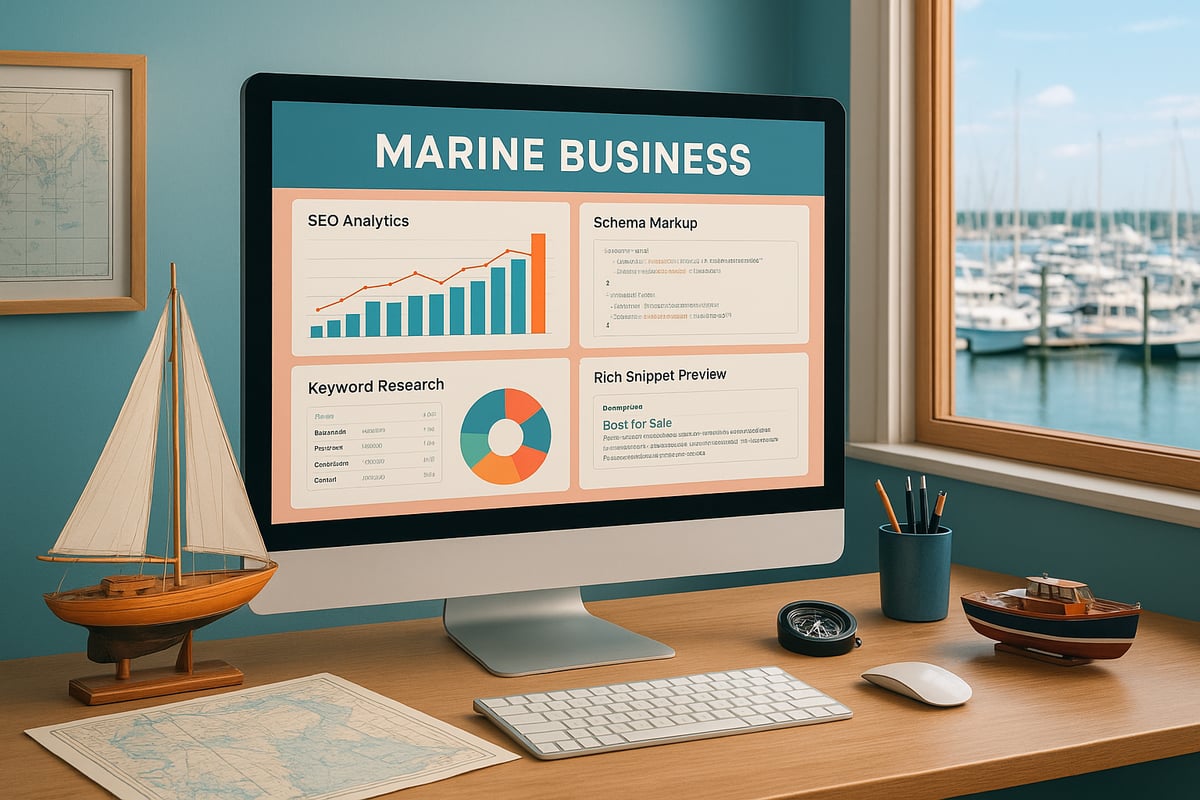
Every effective seo rich text strategy starts with targeted marine keyword research. Using tools like SEMrush or Google Keyword Planner, identify high-value keywords such as “boat rentals Miami” or “marine engine repair.” The trick? Map these keywords to user intent:
- Informational: “how to dock a boat safely”
- Navigational: “Charleston marina directions”
- Transactional: “book a fishing charter in Key West”
Data shows that pages using targeted keywords in H1 and H2 tags can achieve up to 36% higher rankings. For marine businesses, balancing broad terms like “boating safety” with niche, location-specific phrases is essential. If you want a step-by-step checklist tailored to the industry, the Marine Industry SEO Checklist is a great resource.
Metadata & Structured Data
Metadata is the first impression your marine business makes in search results. Craft unique meta titles and descriptions for every page, focusing on clarity and marine-specific value. Structured data, like review, product, event, or FAQ schema, gives your content an edge in earning rich snippets.
Consider a sailing school adding course schema to display class schedules directly in Google. With Google's 2025 updates, structured data is more vital than ever for visibility. Sites using schema markup are up to 30% more likely to appear in rich results, making this a foundation of seo rich text for marine websites.
Header Tags, Bullet Points, and Readability
Organized content is easier for both users and search engines to digest. Use H1, H2, and H3 tags to break up information, and add bullet points or numbered lists for features, amenities, or service highlights:
- Top features of your marina
- Available boat types
- Safety certifications
Short paragraphs and clear formatting boost readability, keeping visitors engaged longer. For marine businesses, this approach to seo rich text not only improves time on page but also reduces bounce rates, signaling quality to search engines.
Internal/External Linking & Multimedia
Smart linking strengthens your site’s authority and user experience. Link to related service pages, local marine guides, or trusted industry resources. Add optimized images with descriptive alt text, videos, and interactive elements like 360° marina tours.
For example, embedding a “how-to” boat maintenance video can increase engagement by up to 45%. Remember to use descriptive filenames and relevant marine keywords in image alt text. This multimedia-rich approach is a core pillar of seo rich text, helping your content stand out in crowded search results.
Step-by-Step Guide: Creating SEO-Rich Text for Your Marine Website
Ready to transform your marine business’s online presence? Here’s the practical, step-by-step approach to building seo rich text that gets your brand noticed—by both search engines and real customers. Each step is tailored for marine websites, packed with proven tactics, and designed to help you outpace competitors in 2025.
Step 1: Audit Your Existing Content
Start by auditing your current website. Use tools like Screaming Frog or SEMrush to crawl your pages and spot gaps. Look for:
- Missing meta titles or descriptions
- Weak or missing headers
- Lack of schema markup
- Outdated or thin content
For example, a boat dealer might discover their inventory pages lack review schema, meaning customer ratings aren’t showing up in search. Fixing these gaps lays the groundwork for effective seo rich text.
Step 2: Conduct Marine-Specific Keyword Research
Identify keywords that matter most for your marine audience. Use SEMrush or Google Keyword Planner to find high-value phrases with good search volume and low competition. Analyze top-ranking competitors to see which keywords drive their traffic.
Consider intent: Are users looking for information, a specific location, or ready to book? Compare “boat rentals in Miami” (transactional) versus “how to charter a yacht in Florida” (informational). For detailed ranking tactics, check out How to Rank Your Marine Website. Choosing the right terms is crucial for seo rich text that actually converts.
Step 3: Structure Content for Search and Users
Break up your content for clarity and engagement. Use H2 and H3 headings to organize sections, and keep paragraphs short. Bullet points and numbered lists make complex info—like amenities or service highlights—easy to scan.
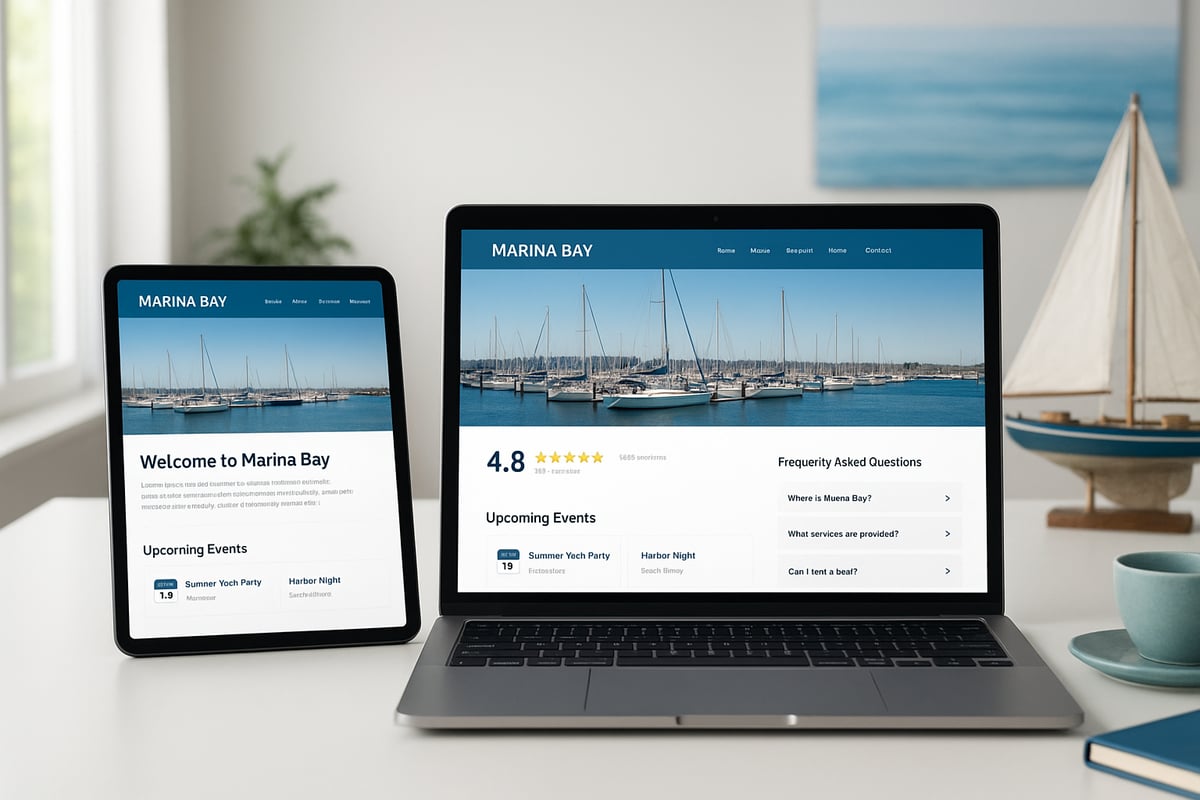
Add location-specific details and FAQs. For instance, a “Frequently Asked Questions” section about boat rental policies can answer common queries and help your seo rich text get picked up for featured snippets.
Step 4: Implement Metadata and Schema Markup
Write unique meta titles and descriptions for every page. Make them compelling and relevant to your marine services. Next, add schema markup using JSON-LD or Microdata. Focus on review, FAQ, product, event, or service schemas.
Here’s a simple example for an upcoming sailing class:
{
  "@context": "https://schema.org",
  "@type": "Event",
  "name": "Beginner Sailing Course",
  "startDate": "2025-06-21T09:00",
  "location": {
    "@type": "Place",
    "name": "Harbor Marina",
    "address": "123 Ocean Ave, Charleston, SC"
  }
}
This step ensures your seo rich text is ready for rich results and AI-powered search features.
Step 5: Optimize Multimedia and Internal Links
Bring your marine content to life with multimedia. Use high-quality images (with descriptive alt text), videos, and interactive maps. Compress images so pages load fast and use filenames with marine keywords.
Link related blog posts, service pages, and trusted marine resources together. For example, connect a “boat maintenance tips” blog post to your “marine engine repair” service page. This internal linking supports seo rich text by guiding users and search engines through your site.
Step 6: Review, Test, and Measure
Monitor your progress using Google Search Console and analytics tools. Track these key metrics:
| Metric | Why It Matters |
|---|---|
| Organic Traffic | Measures overall visibility |
| Keyword Rankings | Shows where you appear in search |
| Rich Results Count | Tracks featured snippets, FAQs |
| Engagement Rates | Time on page, bounce rate |
| Conversion Metrics | Inquiries or bookings |
For instance, after optimizing their dockage rates page, one marina earned a featured snippet and saw a spike in bookings. Consistently reviewing your seo rich text ensures you stay ahead.
Step 7: Update Regularly for Algorithm Changes
Search engines and AI evolve constantly. Keep your content fresh and relevant. Update pages as new services, events, or regulations arise. Refresh schema markup and add new multimedia.
Staying current helps your seo rich text retain rankings and organic traffic. Remember, regularly updated pages see significantly better results year over year.
Advanced Strategies for SEO-Rich Text in 2025
Staying ahead in the marine industry means being proactive, not reactive. The search landscape is evolving fast, and so are the strategies needed to keep your business visible. Here, we break down advanced tactics for leveraging seo rich text in 2025—tailored for marinas, yacht charters, and marine service providers who want measurable results.

Leveraging AI and GenAI Search Trends
AI-powered search is no longer a futuristic idea; it’s the new normal. Google’s GenAI Overviews are pulling content directly from authoritative, well-structured marine websites. For marine businesses, seo rich text must be crafted with both traditional algorithms and AI models in mind. That means answering common boating questions in clear, concise formats, using schema markup, and organizing information logically.
On top of that, the rise of Generative Engine Optimization (GEO) is shaping how content gets surfaced. GEO focuses on structuring answers so AI can pull them into search summaries or voice responses. For example, a “What safety gear do I need for a day charter?” section should be formatted as a direct, bulleted answer. To understand more about this emerging field, check out Generative engine optimization insights.
Early adopters who optimize their seo rich text for both human readers and AI gain a significant edge. The best part: these changes don’t just please algorithms—they help real customers find exactly what they need, faster.
Adapting to New SERP Features
The SERP is more visual and interactive than ever. For marine businesses, seo rich text should target featured snippets, local packs, and knowledge panels. These features can drive more clicks, even as organic space shrinks.
Consider how a marina’s FAQ page, formatted with structured questions and answers, can snag a featured snippet for “best marina in Charleston SC.” Or how adding location schema puts your business in the local pack for “boat repair near me.” The key is anticipating the types of queries your audience asks—and structuring your seo rich text to answer them directly.
To stay competitive, monitor which SERP features are trending in your niche. Test different formats, like tables or step-by-step lists, for common boating topics. Small tweaks to your content can mean a big jump in visibility.
Creating Content Hubs and Topic Clusters
Google rewards depth and authority. One advanced strategy is building content hubs—comprehensive resource sections that cover core marine topics in detail. These hubs are supported by topic clusters: related articles that link back to the main guide.
For instance, an “Ultimate Guide to Boating in Charleston” can anchor a hub, with supporting pages on fishing, marinas, and safety regulations. This interlinking signals to search engines that your site is a trusted authority, boosting the performance of all linked pages.
Here’s a quick table to compare benefits:
| Content Structure | Traffic Impact | Authority Boost |
|---|---|---|
| Single post | Low | Minimal |
| Hub + clusters | High | Significant |
Implementing seo rich text throughout these clusters maximizes your reach and keeps visitors engaged, moving from one valuable resource to the next.
User Experience and Engagement Signals
Search engines now measure not just what’s on your site, but how people interact with it. Fast load times, mobile-friendly layouts, and accessible design are non-negotiable for modern marine businesses. Pages rich with multimedia—think 360° marina tours, embedded videos, or interactive maps—see higher engagement.
Encourage customer reviews, Q&A participation, and testimonials. A yacht charter site showcasing real video feedback not only improves trust but also feeds positive engagement signals to Google. Remember, seo rich text isn’t just about keywords; it’s about creating a seamless, enjoyable experience that keeps visitors coming back.
Real-World Marine Industry Examples
Let’s get specific. A yacht charter company using review schema now displays star ratings and pricing right in Google results—drawing more clicks. Marinas that optimize “slip availability” pages with local seo rich text and structured data see a noticeable bump in bookings.
Sailing schools that implement structured FAQs are ranking higher for “best sailing classes near me,” thanks to well-formatted content that matches user intent. These examples prove that advanced seo rich text strategies are not just theory—they’re driving real growth for marine businesses.
Measuring Results: Tracking SEO-Rich Text Performance
Staying ahead in marine SEO means you cannot just “set and forget” your content. To truly dominate, you need to measure how well your seo rich text is performing and keep refining your approach. Let’s break down what to track, which tools to use, and how to turn data into growth.
Key Metrics to Monitor
Every marine business should keep a close eye on a core set of metrics to gauge the impact of their seo rich text. Here’s what matters most:
- Organic traffic: Is your website attracting more boaters, charter guests, or marina visitors from search engines?
- Keyword rankings: Are your most valuable marine keywords climbing up the results?
- Click-through rates (CTR): Are more users clicking your listings, especially those with rich snippets or star ratings?
- Rich results earned: Track how often your content appears as featured snippets, FAQs, or reviews.
- User engagement: Time on page, bounce rate, and conversion rates for bookings or inquiries.
For example, a marine surveyor who optimized their pages with seo rich text and review schema saw a 500% increase in phone calls within months. These metrics tell the real story of your content’s performance and help you spot what’s working or falling flat.
Tools and Reporting Best Practices
To track and analyze your seo rich text, you need the right tools and clear reporting. Start with essentials like Google Search Console for indexing and rich results, plus SEMrush for keyword tracking. Schema testing tools help you verify that your structured data is correctly implemented and visible to search engines.
Set up monthly dashboards that highlight trends in organic traffic, new rich results earned, and keyword movements. This makes it easy to share wins with your team and quickly spot issues. With Google’s latest changes to structured data, staying up-to-date on new requirements is critical—check out Google’s 2025 structured data update for the latest rules impacting marine SEO strategy.
Consistent reporting keeps your team aligned, focused, and ready to adapt as search evolves.
Interpreting and Acting on Data
Collecting data is just the beginning. The real value comes from interpreting it and making smart, timely adjustments to your seo rich text. Look for patterns—are certain blog posts or service pages driving more conversions? Do FAQ sections attract featured snippets? Use this insight to fill content gaps and double down on what’s working.
Iterative optimization pays off. For example, pages that receive ongoing updates and structured data enhancements see up to 30% higher conversion rates, according to industry reports. Plus, research on Semantic SEO’s impact on rankings shows that well-structured, relevant content tends to earn more stable traffic and improved search visibility over time.
Stay proactive, and your marine business will keep growing, no matter how search changes.
FAQs: SEO-Rich Text for the Marine Industry
Standing out online in the marine world takes more than a basic website. SEO rich text is the secret weapon that propels marine businesses to the top of search results, even as Google evolves with new features and AI. Below are answers to the most common questions we hear from marinas, boat dealers, charter operators, and service providers.
What is SEO rich text and how does it help marine businesses?
SEO rich text means your content is crafted for both people and search engines. It combines targeted keywords, smart structure, and multimedia—think images, videos, and FAQs—so your marine business ranks higher and attracts more qualified leads. For marinas and boat dealers, this means your services and listings show up front and center when customers search.
How do rich snippets and structured data impact my boat rental or marina site?
Rich snippets, powered by structured data, let your marine site display star ratings, prices, FAQs, and more right in Google’s results. This makes your listings pop, increases clicks, and builds trust. While structured data alone does not directly boost rankings, it helps you earn those eye-catching features that drive more traffic. For more, see Google’s stance on structured data and rankings.
What are the most important schema types for marine businesses in 2025?
The essentials include Review, Product, FAQ, Event, and Service schema. Use Review schema for boat listings, Event for regattas or classes, and FAQ schema for policy or location questions. These types help Google pull your information into featured and rich results, giving you an edge.
How often should I update my content and structured data?
Aim to review and refresh your SEO rich text every quarter. Update listings, answer new customer questions, and add fresh images or testimonials. Keeping your structured data current ensures you stay eligible for rich results as Google’s algorithms and features change.
Can SEO rich text help me rank for “near me” and voice searches?
Absolutely. By optimizing your content for local intent, adding location details, and using natural language, you can capture “near me” and voice queries. For a deep dive into local strategies, check out the Local SEO for Marine Businesses guide.
What tools should I use to audit and improve my marine website’s SEO rich text?
Start with Google Search Console for indexing and performance tracking. SEMrush and Screaming Frog help spot missing keywords, weak meta data, and schema issues. Use schema markup testers to validate your structured data and confirm your rich snippets are set up correctly.
Can you give an example of SEO rich text in action for the marine industry?
Sure. A yacht charter site used Review and FAQ schema, added local keywords, and structured service highlights in bullet points. Within months, it earned a featured snippet for “best yacht charters in Miami,” saw a 45% boost in engagement, and received more direct booking inquiries—all thanks to SEO rich text.
Now that you’ve seen how SEO rich text can transform your marine business’s online presence for 2025, you might be wondering how to put these strategies into action—without the guesswork. At Aquatic SEO, we specialize in helping marine professionals like you turn outdated marketing into predictable bookings using proven, data driven tactics. Whether you own a marina, run a charter, or sell marine products, our team is here to help you build a true growth engine. If you’re ready to boost your visibility and stay fully booked season after season, Schedule a Free Strategy Call today.