Picture this: Your marina or yacht charter leaps to the top spot when someone searches “best yacht rental near me” in 2026. You’re not just visible—you’re the first choice. Yet, with more marine businesses fighting for attention, generic SEO just doesn’t cut it anymore.
Local competition is at an all-time high. If your site isn’t tailored to your waterfront market, you’re handing bookings to the guy down the dock. That’s where seo geo targeting comes in. This guide reveals the exact steps and strategies you need to master local search, outshine rivals, and fill your calendar with real customers.
We’ll break down what geo targeting means for marine SEO, why it’s critical, and how to apply proven, future-proof tactics. Get ready for actionable tips, real-world wins, and expert insights—all designed to help your business dominate local results in 2026.
What Is SEO Geo Targeting & Why Does It Matter for Marine Businesses?
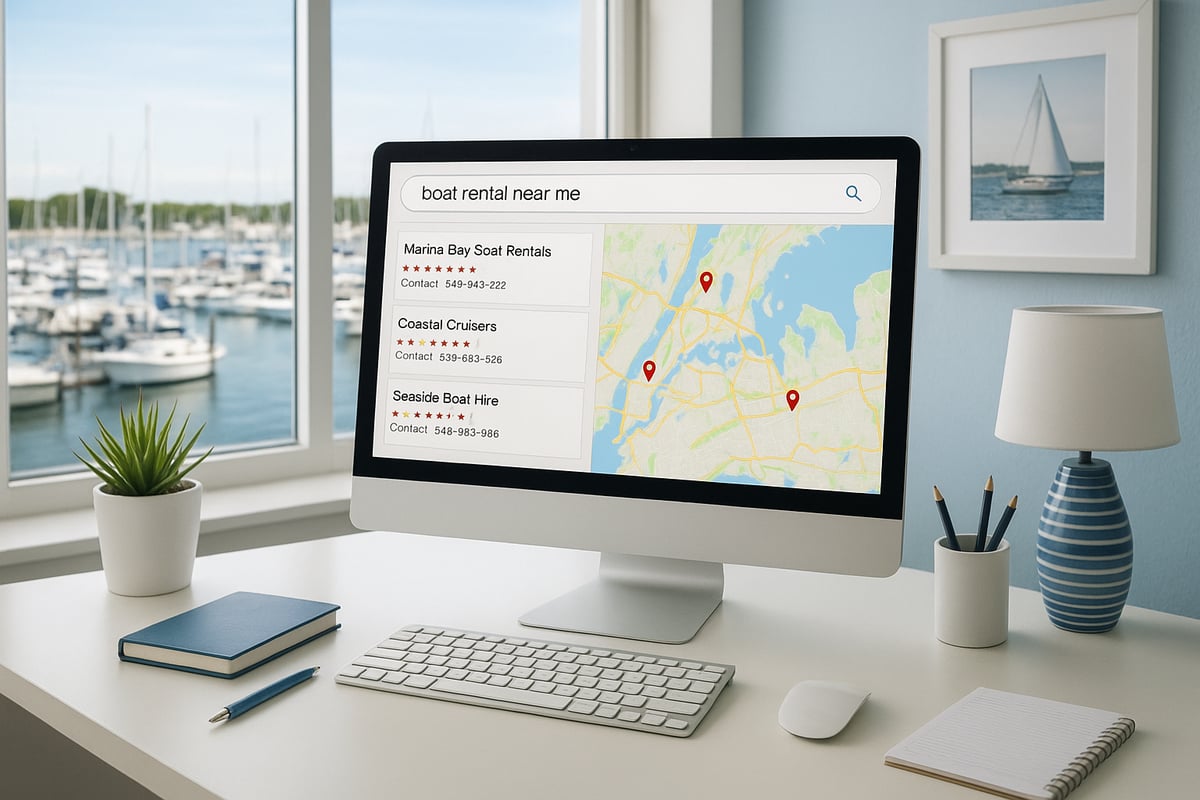
Picture a potential client searching for “yacht rental near me” or “boat repair in Miami.” SEO geo targeting is what puts your business right in front of them. At its core, seo geo targeting means customizing your website and content so you appear in search results for specific locations—think “Miami yacht charters” instead of just “yacht charters.” This approach tells search engines exactly where you operate and who you serve, giving your marine business a powerful edge over generic competitors.
What makes seo geo targeting so effective? It comes down to how Google’s local algorithm decides who shows up in those all-important map packs and mobile searches. Google weighs three main factors: proximity (how close your business is to the searcher), relevance (how well your services match the search), and prominence (your reputation and online presence). For marine businesses, most clients are searching locally—often while planning a day on the water or looking for urgent repairs. In fact, 46% of all Google searches have local intent, which means nearly half of your potential bookings or service calls start with a location-based query.
Recent updates to Google’s algorithm, like Possum and Vicinity, have only made proximity more important. Local packs now dominate mobile results, pushing businesses that nail seo geo targeting to the very top. For example, if you run a boat rental in Annapolis and someone nearby searches for “boat rental,” your business stands a much better chance of showing up than a competitor in Charleston—even if their website is slicker. “Near me” searches have exploded by 136% in just the past two years, and a whopping 78% of local mobile searches lead to offline purchases.
Here’s the kicker: without seo geo targeting, even the most beautiful marine website can get buried by competitors who are simply closer to the searcher. This isn’t just a big-city game, either. Small marinas and rural service providers can win their local markets by optimizing for their unique area. Whether you’re in a bustling coastal city or a quiet lakeside town, mastering seo geo targeting ensures your marine business stands out, attracts more bookings, and stays ahead of the competition in 2026.
The Foundations: Key Elements of a Winning Geo Targeted Marine SEO Strategy
Building a rock-solid foundation is everything when it comes to seo geo targeting for marine businesses. You want your marina, boat rental, or charter to show up first—every time a local boater searches for your services. That starts with understanding the specific building blocks that set marine SEO apart from generic strategies.
Location-Specific Keyword Research
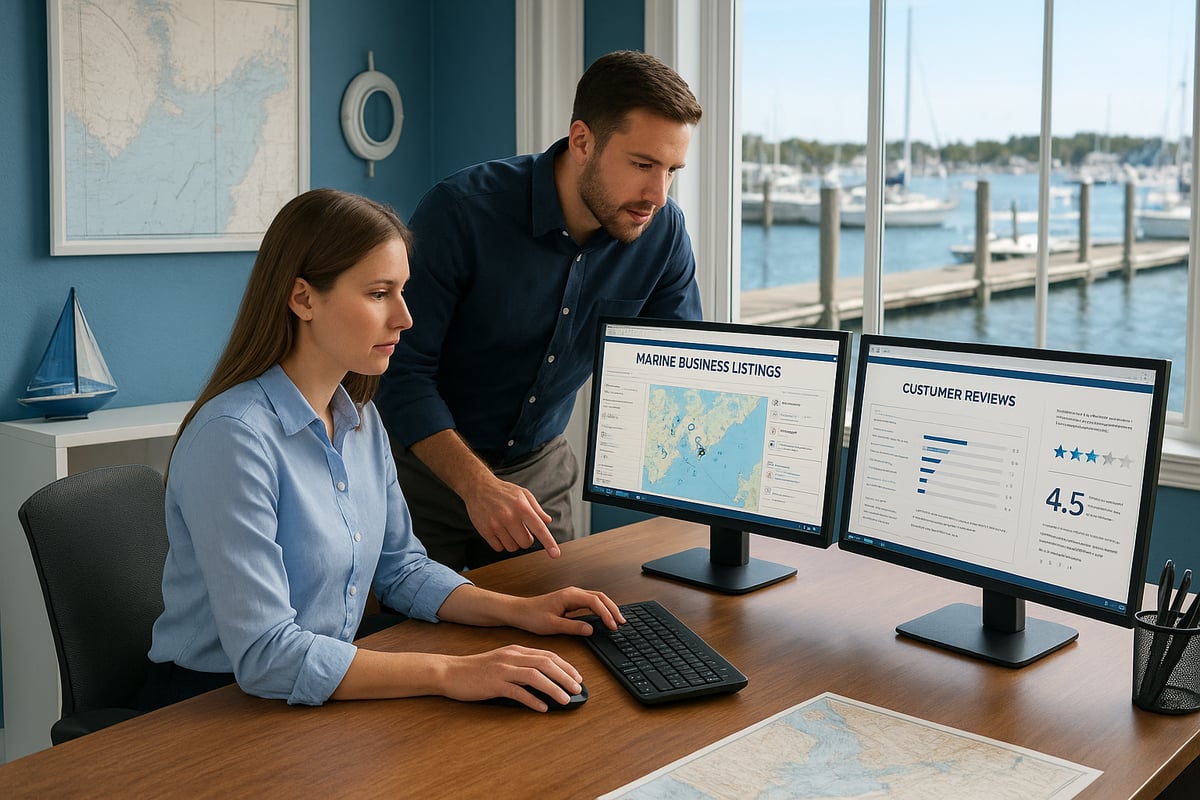
First, zero in on how your customers actually search. Instead of broad terms like "boat rental," target phrases like "boat rental Fort Lauderdale" or "yacht charter Newport." Use tools like Google Keyword Planner, SEMrush, or Ahrefs to uncover these hyper-local phrases. Your seo geo targeting strategy depends on this step—getting it right means you attract clients ready to book in your area, not just browsers from afar.
Creating Location Landing Pages
Every major service and every key location deserves its own dedicated page. Why? Search engines reward specificity. A page for "Sailing Lessons Annapolis" should have unique content, local testimonials, area maps, and even FAQs that address what boaters in Annapolis really care about. Think of each page as your digital storefront for that market. Avoid duplicating content between locations, as search engines penalize copy-paste tactics, hurting your seo geo targeting efforts.
Google Business Profile: Your Local Anchor
Claim and fully optimize your Google Business Profile (GBP). Fill out every field—services, hours, photos, and especially your service areas. Use GBP posts to highlight events, seasonal offers, or weather updates. Engage with the Q&A section. Encourage your team to ask and answer common local questions. Reviews matter, too. Each new five-star review signals to Google that you’re the local go-to. Consistent engagement here amplifies your seo geo targeting and puts you on the map—literally.
NAP Consistency and Local Citations
Your Name, Address, and Phone Number (NAP) must be identical across your website, directories, and social media. Inconsistencies confuse both Google and potential customers. Audit your listings on marine directories like Marinas.com and BoatTrader, as well as general ones like Yelp and TripAdvisor. Local citations from these reputable sources build trust with search engines, strengthening your seo geo targeting footprint.
Schema Markup for Local Businesses
Implementing local business schema is a technical, but essential, step. Add structured data to your website’s code to help search engines connect your business with your exact location, services, and contact details. Schema can also highlight special events, seasonal services, or customer reviews—making your listings stand out in local results. This technical boost gives your seo geo targeting an extra edge, especially as search engines get smarter.
Review Generation: Fuel for Local Rankings
Actively encourage your customers to leave reviews on Google and marine-specific platforms. Make it easy—send follow-up emails after each booking, place QR codes at your dock, or offer small incentives. Respond to every review, positive or negative, to show you’re engaged and care about your community. High-quality, recent reviews are a critical ranking factor in seo geo targeting, and they build trust with potential clients.
Real-World Example: Newport Sailing School
Consider a sailing school in Newport. By launching unique landing pages for each class and location, optimizing their Google Business Profile, and building a steady stream of five-star reviews, they tripled their local bookings in one season. Their approach hit every foundational element of seo geo targeting, and it paid off quickly.
Want a full step-by-step breakdown? Check out Local SEO for Marine Businesses for a deep dive into these foundational strategies and more.
Mastering these fundamentals puts your marine business at the top of local search—right where your customers are looking.
Step-by-Step: How to Geo Target Your Marine Website for Local Search in 2026
Imagine your marina showing up at the top of Google when boaters search for a yacht charter in your city. That’s the power of precise seo geo targeting. Here’s a step-by-step playbook to help your marine business rise above the competition and win in local search for 2026.
Step 1: Audit Your Current Local SEO Presence
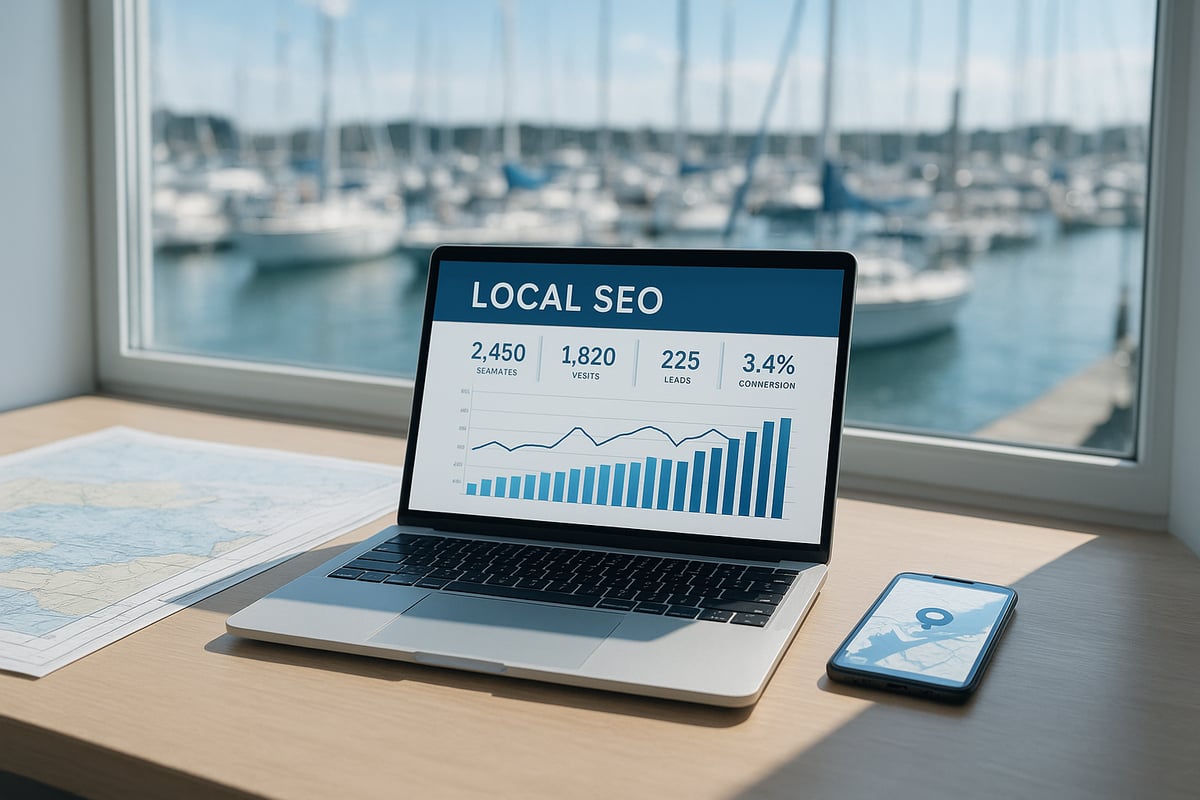
Kick off your seo geo targeting journey by taking a hard look at where you stand. Start by searching for your main services plus your location—think “boat rental Annapolis” or “yacht repair Miami.” Are you even on the first page? If not, let’s find out why.
Check your Google Business Profile for accuracy—are your hours, address, and categories all up to date? Next, scan your website and directories for NAP consistency. Even a tiny typo in your phone number can cost you leads.
Use tools like Google Search Console, Moz Local, or BrightLocal to spot citation gaps and track rankings. For a structured approach, refer to this SEO Checklist for Marine Industry to make sure you don’t miss a thing.
Here’s a quick audit checklist:
- Search your business and main keywords in incognito mode
- Confirm your NAP details match everywhere
- Check for duplicate listings in directories
- Review your Google Business Profile completeness
- Note your current rankings for each service/location
A thorough audit reveals what’s working and what needs fixing. It’s the foundation of effective seo geo targeting.
Step 2: Build and Optimize Location Pages
Once you know your baseline, it’s time to build out location pages. Each major service and city or marina you serve deserves its own dedicated page. Don’t just copy and paste content—Google wants unique, locally relevant info for every page.
What makes a winning location page? At minimum, include:
- Custom content describing the specific service and location
- A map with your exact address
- Local customer testimonials
- High-quality photos of your boats or marina
- A FAQ section addressing local concerns
For example, a “Yacht Charter Miami” page should highlight Miami’s boating culture, local weather, and top destinations. Meanwhile, a “Yacht Charter Key West” page should focus on that area’s distinct features.
Unique location pages are essential for seo geo targeting. They help Google connect your business with searchers in your exact area, increasing your visibility and trust.
Step 3: Optimize On-Page Elements for Local Intent
With your location pages in place, dial in the details that signal local intent. Start by weaving your main city or region into title tags, meta descriptions, and H1–H3 headers. This tells both users and search engines what you offer, and where.
Embed a Google Map with driving directions to your dock or office. Add business schema markup so search engines can understand your location, hours, and services.
Don’t forget internal links. Link your location pages to relevant service pages, your blog, and even other location pages if you serve multiple areas.
Effective seo geo targeting is all about making it crystal clear where you operate and why you’re the best choice for local boaters. The small details add up to big local wins.
Step 4: Supercharge Your Google Business Profile
Your Google Business Profile is your digital dock—make it shine. Fill out every field, from business description to amenities. Post high-quality photos showing your boats, staff, and happy customers.
Keep your profile fresh with regular updates. Announce events, specials, or even weather advisories that impact local boating. Use the Q&A feature to answer common questions—like “Do you offer fishing charters in winter?” or “Is there parking for trailers?”
Encourage customers to leave reviews, and respond to every single one. Not only does this boost your ranking, it shows you care about the local community.
A rich, active profile signals to Google that your marine business is a trusted local leader. That’s a key element of successful seo geo targeting.
Step 5: Build Local Citations and Earn Reviews
Local citations—mentions of your business on directories and marine industry sites—help anchor your business in the local search ecosystem. List your business on platforms like Marinas.com, BoatTrader, Dockwa, and general sites like Yelp and TripAdvisor.
Regularly check for duplicate or outdated listings. Consistency is non-negotiable. If your phone number or dock location changes, update it everywhere.
Next, focus on review generation. Email customers after a booking, place QR codes at your front desk or dock, and offer small incentives for honest feedback. More positive reviews mean higher trust and better rankings.
These steps reinforce your seo geo targeting efforts, building both authority and credibility in your local marine market.
Step 6: Leverage Local Content and Community Engagement
Content is your secret weapon for local authority. Blog about upcoming regattas, fishing tournaments, or weather patterns unique to your area. These topics naturally attract local searchers.
Partner with marine organizations, yacht clubs, or local businesses for backlinks and mentions. Sponsor events, host open houses, or run contests to get your name out there.
Don’t underestimate user-generated content. Share photos and stories from your customers enjoying your boats or services on social media and your website.
Strong local engagement supports your seo geo targeting, helping you build a reputation as the go-to marine business in your region.
Advanced Geo Targeting Tactics for the Marine Industry in 2026
Staying ahead in marine SEO geo targeting means leveraging the latest, most precise tactics. The basics alone won’t cut it anymore. As competition intensifies, advanced strategies—tailored for marinas, charter fleets, and marine service providers—are the key to dominating local search and converting ready-to-book boaters.
Hyperlocal Targeting: Beyond the City Limits
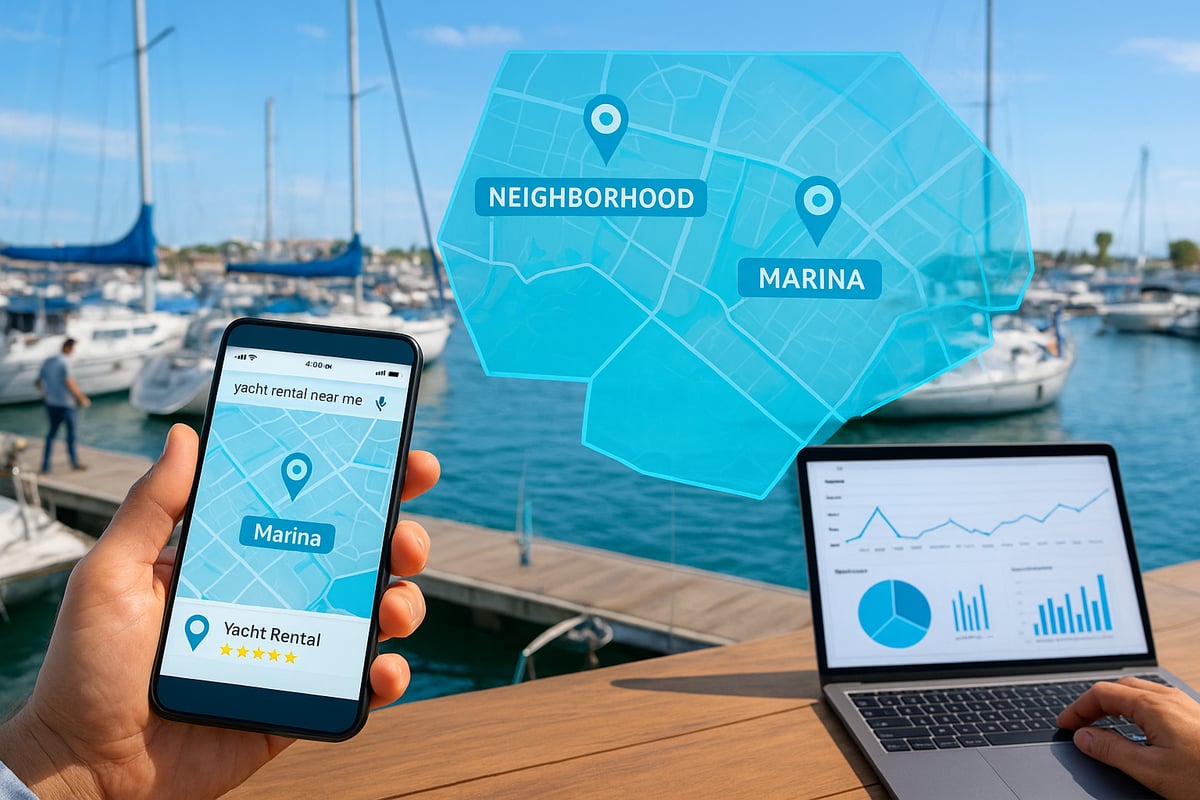
Modern marine SEO geo targeting isn’t just about ranking in “Miami” or “San Diego.” Savvy businesses now optimize for specific neighborhoods, marinas, or even popular launch ramps. This hyperlocal approach lets you reach boaters searching in real time for “boat slip Coconut Grove” or “bait shop near Fisherman’s Wharf.” By tailoring landing pages and content for these micro-locations, you capture intent others miss.
On top of that, using a specialized marine SEO partner like Marin Local Search Engine Optimization ensures you’re not missing hyperlocal nuances that can drive bookings and foot traffic.
Geo-Fencing & Location-Based PPC: Precision Matters
Geo-fencing lets you set virtual boundaries around your marina, boatyard, or waterfront event. When users enter these zones, your ads can appear directly on their devices—whether they’re searching for “boat rental near me” or browsing related apps. Combining geo-fencing with location-based PPC amplifies your SEO geo targeting, ensuring your message reaches only those who are nearby and ready to book.
Marine businesses can promote flash deals during busy weekends or special events, maximizing ROI by focusing spend on the most relevant audience. It’s targeted, efficient, and measurable.
Voice Search Optimization: Speak the Customer’s Language
More boaters are searching by voice, asking questions like “Who does yacht cleaning near me open now?” To win this traffic, your SEO geo targeting strategy needs to include conversational, natural language content. Create FAQ sections, use question-based headers, and answer local boating queries clearly.
Think about how your customers talk, not just how they type. Optimize for long-tail, location-based phrases and ensure your Google Business Profile is up-to-date, as voice assistants often pull data from these listings.
Mobile-First Strategies: Local Search on the Go
Over 70 percent of local searches now happen on mobile devices. Your marine SEO geo targeting must prioritize fast load times, intuitive navigation, and click-to-call buttons. A mobile-optimized site ensures boaters can find you while on the water, at the dock, or planning their day from a marina café.
Make directions, hours, and booking forms easy to access. Test your site regularly on smartphones and tablets to guarantee a seamless experience for every potential customer.
AI & Predictive Search: Stay Ahead of Demand
Artificial intelligence is transforming SEO geo targeting for the marine industry. AI-powered tools can now predict which destinations or services will trend in your area based on seasonality, weather, or even local events. By analyzing these patterns, you can adjust your content, ads, and offers in real time.
Imagine launching a “last-minute boat rental” campaign just as a sunny weekend hits or tailoring your website’s homepage to highlight trending activities like fishing tournaments or regattas.
Geo-Specific Schema & Real-World Results
Don’t overlook schema markup. Adding geo-specific schema to your site helps search engines connect your business with exact locations, events, and seasonal offers. Mark up your address, service area, and even upcoming events—this boosts your SEO geo targeting and ensures you appear for the most relevant local searches.
For example, a boat rental company used geo-fenced ads during a major regatta and saw bookings spike by 40 percent. These advanced tactics aren’t just futuristic—they’re delivering real results for marine businesses right now.
Common Geo Targeting Mistakes Marine Businesses Make (and How to Avoid Them)
The marine industry is fiercely competitive, and even a solid seo geo targeting strategy can get derailed by a few common missteps. Let’s break down the biggest blunders we see, plus how to sidestep them—so your business stays visible and keeps the bookings rolling in.
Overusing Location Keywords
It’s tempting to stuff every page with your city or region, thinking it’ll boost your seo geo targeting. But Google’s smarter than ever. Keyword stuffing actually hurts rankings, making your content look spammy and unhelpful. Instead, focus on natural phrasing and only use location terms where they truly add value. Think about how a real customer would search, and write for them first. This keeps your site readable and trusted—both by search engines and your audience.
Neglecting to Update Business Info
Your marina might move slips or change phone numbers. If your website, Google Business Profile, and marine directories aren’t updated everywhere, your seo geo targeting can tank. Inconsistent NAP (Name, Address, Phone) data confuses Google and customers alike. Always double-check your info after any change. A single outdated phone number could send a potential booking to a competitor down the dock.
Duplicate Content for Multiple Locations
Copy-pasting the same service page and swapping out city names? That’s a classic mistake. Google wants unique, relevant content for each location you serve. Duplicate pages not only dilute your seo geo targeting but also erode user trust. Invest the time to create custom content that highlights what’s special about each marina, charter, or service area. This effort pays off with better rankings and more engaged visitors.
Ignoring Review Responses
Online reviews are gold in the local marine market. Ignoring them, or worse, leaving negative reviews unanswered, signals to both Google and potential customers that you don’t care. According to 88% of consumers trust online reviews as much as personal recommendations, managing and responding to reviews is crucial. Thank happy clients, address concerns, and show you’re attentive—this builds trust and supports your seo geo targeting results.
Failing to Track Local SEO Performance
Launching a beautiful site and optimized profiles is just the start. If you don’t track which locations drive calls, bookings, or map views, you’re flying blind. Use tools to monitor your seo geo targeting impact, and tweak your strategy based on real data. Remember, 28% of local searches result in a purchase, so measuring conversions by location is essential for growth.
Not Leveraging Local Partnerships
Marine businesses thrive on relationships. If you’re not collaborating with local organizations, yacht clubs, or event hosts, you’re missing valuable backlink and publicity opportunities. Building local partnerships strengthens your seo geo targeting by increasing your authority and relevance in your specific market. Reach out, sponsor events, or co-host a regatta—every mention counts.
Example: Dealer Lost Rankings After NAP Errors
Here’s a real-world scenario. A boat dealer updated their phone number on the website but forgot to update marine directories and Google. Within weeks, their local rankings dropped, and calls slowed. It took a full audit and consistent NAP updates to regain their seo geo targeting strength and climb back up the search results.
Pro Tip: Regularly Audit Your Local Presence
Set a quarterly reminder to review all your business listings, citations, and reviews. Even the best seo geo targeting work can unravel if you miss an update or let reviews go unanswered. Stay proactive and you’ll keep your marine business visible, trusted, and ahead of the competition.
The Future of Local SEO: Trends Shaping Marine Geo Targeting in 2026
The world of seo geo targeting is evolving fast, and marine businesses that want to stay ahead need to be ready for what’s next. Imagine a world where Google knows exactly where your next customer is standing, what they want, and even what the tide looks like. That’s not science fiction—it’s the new reality for local search in 2026.
AI-Driven Search and Real-Time User Intent
Google’s algorithms are now smarter than ever, factoring in not just user location, but also real-time intent. For marine operators, this means your seo geo targeting strategy needs to account for context—are boaters looking for a last-minute rental or planning for the weekend? AI can analyze patterns like weather, tides, and seasonal demand, then push the most relevant results to the top. This shift is especially important as Google continues to expand “zero-click” local results, where customers find everything they need right in the local pack. In fact, 76% of people who search for something nearby visit a business within a day, making it critical for marine businesses to appear in these instant-result spots.
Zero-Click Results and Local Conversions
We're seeing a massive rise in “zero-click” bookings, where users never even visit your website. Instead, they book directly from Google Maps or the local pack. For seo geo targeting, this means your Google Business Profile, reviews, and local schema must be flawless and up to date. The best part? These zero-click platforms favor businesses with complete information and recent, high-quality reviews. That’s why even the smallest marina or charter business can compete with the big players by optimizing for zero-click conversions.
Short-Form Content, UGC, and Real-Time Data
Short-form video and user-generated content are now essential for strong seo geo targeting. Platforms like Instagram Reels and TikTok let you showcase local boating adventures, customer testimonials, or even quick updates about weather conditions. Plus, integrating real-time data—think live tides, wind conditions, or event schedules—directly into your listings helps establish authority and gives searchers instant value. Marine businesses that leverage these trends not only boost engagement but also build trust with potential customers.
Voice Search, Reviews, and Wearables
Voice and wearable searches are exploding. Queries like “Find a marina near me” or “Boat repair open now” are shaping how seo geo targeting works in 2026. Optimizing your content for natural, conversational questions and ensuring your business data is accurate across platforms is more important than ever. On top of that, Google now prioritizes businesses with frequent, recent reviews—so keep encouraging happy customers to share their experience. As an example, a sailing school that embraced voice search optimization and produced local video content saw enrollments climb steadily, proving the power of staying ahead of these trends.
Marine businesses that adapt their seo geo targeting to these emerging trends will capture more local demand and remain resilient, no matter how search algorithms change. The future favors those who innovate, stay visible, and connect authentically with their local audience.
You’ve seen how mastering SEO geo targeting can transform your marine business’s local reach—helping you stand out in crowded markets, attract more bookings, and keep your calendar full through every season. If you’re ready to turn these strategies into real, measurable growth with a partner who truly understands the marine industry, let’s talk about your next steps. We’ll help you cut through the noise and build a growth engine tailored to your unique market and goals.
Schedule a Free Strategy Call
and discover how Aquatic SEO can help you achieve visibility everywhere and customers every season.