The marine industry is transforming at lightning speed. Technology is rewriting the rulebook, and digital marketing for boating businesses is no longer a nice-to-have—it’s essential to survive. Owners face a tidal wave of challenges: unpredictable bookings, off-season lulls, and fierce competition at every turn. So, what’s the solution? This guide delivers a practical digital marketing for boating businesses roadmap, built for 2026 and tailored to your unique needs. Inside, you’ll find proven strategies, easy-to-follow steps, and real examples to help you drive bookings and boost revenue. Ready to thrive? Dive in for your blueprint to success.
Understanding the 2026 Boating Market Landscape
The marine industry is experiencing a wave of change as digital expectations reshape how people plan, book, and enjoy time on the water. For owners and marketers, keeping pace is not just important—it is essential. To stay competitive, understanding the new boating market landscape is the first step in building a strong digital marketing for boating businesses strategy.
Evolving Consumer Behavior in Boating
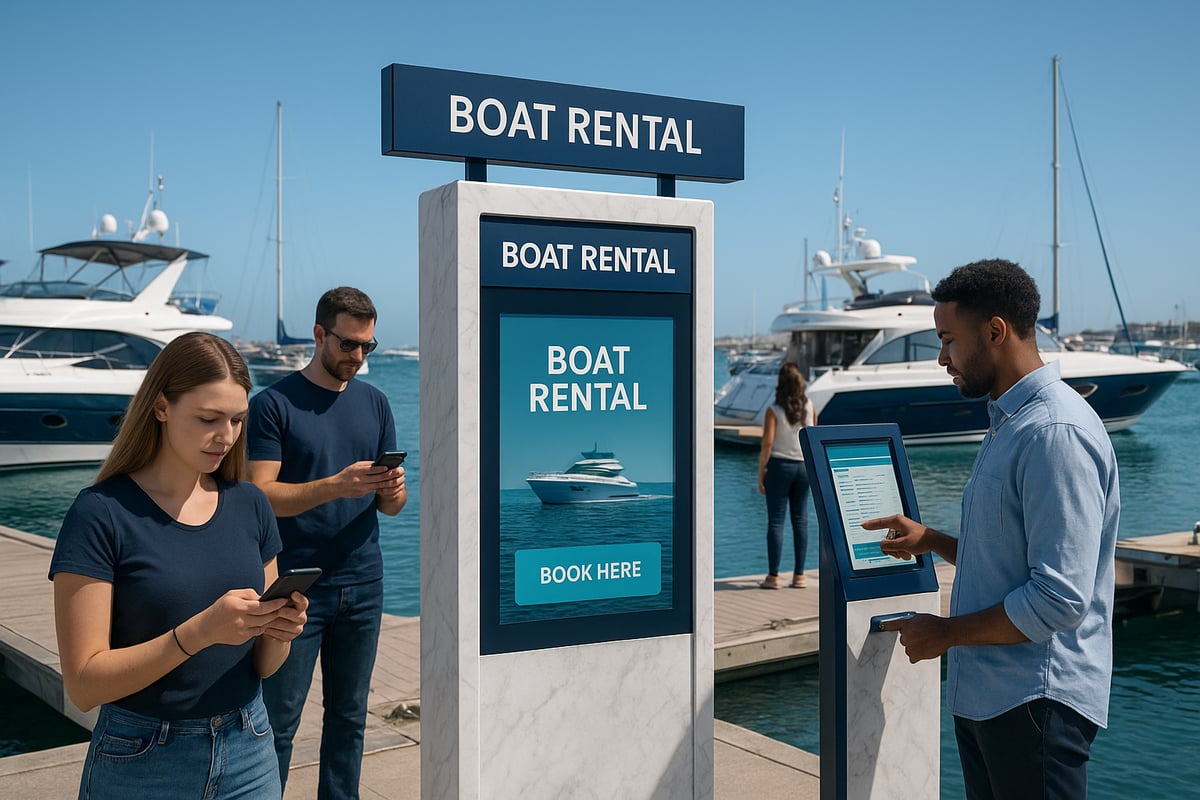
Today’s boaters are digital-first. According to NMMA, 80% of customers now begin their boating journey online, researching options and reading reviews before ever stepping foot on a dock. Mobile devices are their go-to for trip planning, price comparison, and last-minute bookings.
These consumers expect seamless, instant experiences—think one-click bookings and instant confirmations, much like in the travel and hospitality sectors. For digital marketing for boating businesses, this means your online presence must be intuitive, fast, and always accessible.
Key Digital Trends Shaping the Industry
Digital transformation is setting a new standard. Online booking systems and instant quote tools are becoming the norm, allowing customers to secure a vessel in minutes. Social media platforms like Instagram and TikTok are now major sources of trip inspiration, influencing decisions through real-time visuals and peer recommendations.
Immersive content is taking off too. Virtual tours and 360° boat walkthroughs let potential customers “step aboard” from anywhere. As highlighted in the Top 10 Marina Industry Trends to Watch in 2026, digital integration and sustainability are shaping the future of digital marketing for boating businesses.
Competitive Pressures: Local vs. Global Players
Competition is heating up. Large platforms such as GetMyBoat and Boatsetter are expanding rapidly, offering wide selections and aggressive pricing. Local operators are feeling the squeeze but can compete with niche expertise and highly personalized service.
Standing out requires a strong brand and a tailored approach to digital marketing for boating businesses, leveraging unique local knowledge and building loyal, engaged communities.
Regulatory and Environmental Shifts
Sustainability is no longer a buzzword—it is a deciding factor for many customers. Green boating options and eco-friendly certifications are shaping preferences. At the same time, new regulations around online advertising and privacy are changing how businesses target and track potential customers.
Adapting digital marketing for boating businesses to comply with these changes, while still delivering personalized experiences, is crucial for future growth.
Opportunities for Growth
While challenges exist, there are clear opportunities. Untapped segments such as eco-tourism, luxury charters, and group experiences are growing. Data-driven digital marketing for boating businesses opens doors to year-round bookings, as campaigns can be precisely targeted and measured.
Expanding service offerings and using analytics to identify new trends can help marine businesses grow, even in a crowded market.
Challenges Unique to Boating Businesses
Seasonality remains a major hurdle. Demand often peaks in summer and drops in colder months, making it tough to maintain steady revenue. Weather unpredictability adds another layer of complexity. High-ticket sales mean customers need trust—reviews and a solid reputation are more important than ever.
Managing online expectations, handling reviews, and building trust are vital elements of digital marketing for boating businesses. Success now depends on blending digital expertise with authentic, customer-centric service.
Core Digital Marketing Channels for Boating Businesses in 2026
The digital marketing landscape for boating businesses in 2026 is more dynamic than ever. Owners face a sea of options, from search to social, each with its own set of rules and rewards. Understanding the right mix of channels is critical for driving bookings and outpacing the competition.
Below, we break down the most effective digital marketing channels, with practical tips and proven strategies for marine industry growth.
Search Engine Optimization (SEO) for Marine Businesses
SEO remains a powerhouse in digital marketing for boating businesses. Ranking high for intent-driven phrases like "boat rentals near me" or "yacht charters [city]" boosts visibility where it matters most. Local SEO tactics, like optimizing your Google Business Profile and collecting positive reviews, make your business pop in the local map pack.
Technical SEO is equally vital. Fast mobile load times, clean site structure, and schema markup for boats and services all help search engines understand and trust your site. For a step-by-step approach, check out the SEO strategies for marine industry. One Charleston yacht charter saw a 63 percent jump in bookings after revamping local SEO.
Pay-Per-Click (PPC) & Paid Media
PPC is a rapid-fire way to capture high-intent leads, especially during peak boating season. Target by location, device, and even time of day to maximize every ad dollar. Retargeting keeps your brand in front of website visitors who hesitated at the booking stage.
Social ads on platforms like Meta and TikTok are ideal for seasonal offers and building brand awareness. Industry data shows marine businesses earn an average 4.6x ROI on targeted PPC. That kind of return is tough to ignore when planning digital marketing for boating businesses.
Social Media Marketing: Building Community & Trust
Social platforms are lifelines for digital marketing for boating businesses. Instagram and TikTok are perfect for sharing stunning visuals, customer adventures, and behind-the-scenes moments. This visual storytelling attracts new customers and strengthens loyalty.
Encourage user-generated content—think tagged photos, trip reviews, and customer stories. Partner with influencers in the boating niche to expand your reach authentically. People trust real experiences, and social proof is gold in this industry.
Content Marketing & Storytelling
Content is the anchor of any strong digital marketing for boating businesses strategy. Well-written blog posts, trip-planning guides, and FAQ articles attract organic traffic and answer common questions. Video content, from boat walkthroughs to captain Q&As, brings your brand to life.
Email newsletters nurture leads and drive repeat bookings. Consistent, useful content builds authority and keeps your business top-of-mind, even in the off-season.
Reputation & Review Management
Online reputation can make or break digital marketing for boating businesses. Reviews on Google, TripAdvisor, and Facebook shape customer perceptions and influence decisions. Use automated review requests after every trip to keep fresh feedback rolling in.
Respond to all reviews, especially negative ones. A thoughtful reply can turn a critic into a loyal customer. Managing your reputation is not just about damage control—it’s a proactive growth tool.
Conversion Rate Optimization (CRO)
CRO is a secret weapon in digital marketing for boating businesses. Streamlined booking forms, live chat, and instant quote tools remove friction and boost conversions. Test different landing page layouts, calls-to-action, and images to find what resonates.
Small tweaks can lead to big wins. For example, a marine e-commerce brand saw a 52 percent sales jump after improving CRO. Prioritize trust signals, like customer testimonials and certifications, to reassure hesitant buyers.
How Aquatic SEO Drives Results for Boating Businesses
Aquatic SEO leads the charge in digital marketing for boating businesses. With a marine-exclusive focus, the agency deploys the Blended Customer Generation Strategy, integrating SEO, PPC, social ads, and CRO for measurable growth.
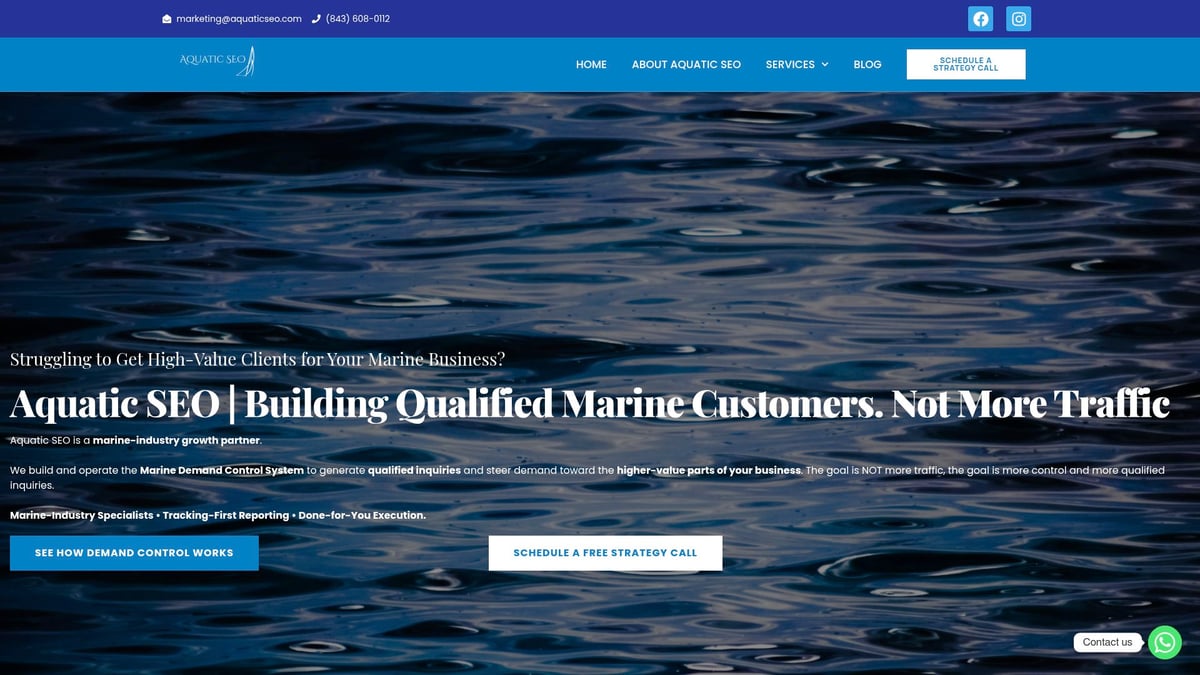
The Five Sprint Execution Model covers everything from technical audits to paid ads, delivering quick, impactful results. Real-world wins include a 63 percent increase in bookings for yacht charters, 500 percent more calls for surveyors, and a 52 percent sales jump for marine e-commerce. Aquatic SEO’s tailored approach meets the unique challenges of seasonality, competition, and complex sales cycles in the marine industry.
Step-by-Step Digital Marketing Strategy for Boating Businesses
Navigating digital marketing for boating businesses in 2026 is more than just following trends. It’s about building a system that attracts, delights, and retains clients—no matter the season or competition. Here’s a step-by-step approach designed specifically for marine industry leaders who want results.

Step 1: Audit Your Current Digital Presence
Start with a deep dive into your digital footprint. Assess your website’s speed, mobile usability, and the overall booking experience. Is your site lightning-fast on any device? Are forms simple, and is it clear how to book a boat or service?
Next, review your Google Business Profile for accuracy. Make sure business hours, location, and services are up to date. Count your reviews and note your average rating.
Check your keyword rankings. Are you appearing for terms like “boat rentals near me” or “yacht charters [your city]”? Identify content gaps by comparing your site with top competitors in your region or niche.
Benchmark your performance. Analyze website traffic, bounce rates, and conversion rates. Compare these metrics to local and national leaders in the marine sector. A thorough audit reveals where your digital marketing for boating businesses stands, showing what needs immediate attention.
Step 2: Define Audience and Booking Personas
Understanding who your customers are is essential in digital marketing for boating businesses. Start by mapping out your key segments: leisure renters, luxury charter guests, group event planners, and service clients.
For each persona, identify their pain points. Are they worried about safety, convenience, or price? What motivates them—a unique experience, privacy, or eco-friendliness? Use surveys, website analytics, and customer feedback to gather these insights.
List out their decision triggers: online reviews, instant booking options, or personal recommendations. Knowing these details helps you tailor your messaging, offers, and website content for each group. The result? Higher engagement and more bookings from the right customers.
Step 3: Build a Conversion-Optimized Website
Your website is your digital storefront. For digital marketing for boating businesses to work, it must be fast, visually appealing, and easy to navigate on any device. Prioritize mobile-first design, as most boaters now start their search on a phone or tablet.
Integrate real-time availability calendars, instant quote tools, and secure online booking. Use persuasive copy that speaks to your audience’s desires and concerns. Add trust signals, like verified reviews, professional certifications, and clear policies.
Visuals matter. High-quality photos and videos—think boat walkthroughs or captain introductions—build trust and excitement. Place clear calls-to-action, such as “Book Now” or “Request a Quote,” throughout the site. One boat rental company saw a 40% increase in conversions just by adding more prominent CTAs.
Step 4: Launch Multi-Channel Campaigns
Success in digital marketing for boating businesses depends on visibility across multiple channels. Combine SEO, PPC, and social ads for an always-on approach. Optimize your SEO for local searches, using keywords that match what your customers type into Google.
Plan your campaigns around peak seasons, local events, and even weather patterns. Use retargeting ads to bring back visitors who didn’t book on their first visit. Social media ads, especially on Instagram and TikTok, are powerful for building brand awareness and driving seasonal promotions.
Track ROI across all channels. Don’t guess—measure what’s working. For more detailed strategies on turning interest into bookings, check out lead generation for marine businesses, which dives into proven tactics for the marine sector.
Step 5: Leverage Automation and AI Tools
Automation is a game-changer for digital marketing for boating businesses. Set up automated email and SMS follow-ups for inquiries and abandoned bookings. These reminders can nudge undecided customers to complete their reservation.
Deploy AI-powered chatbots to answer common questions and handle FAQs instantly. This improves response times and frees up your team for more complex inquiries. Analyze booking data with AI to predict demand spikes or identify underperforming services.
According to industry reports, 70% of marine businesses using automation see higher lead-to-booking rates. Automation makes your marketing more efficient and ensures no opportunity slips through the cracks.
Step 6: Monitor, Optimize, and Scale
Continuous improvement is the backbone of digital marketing for boating businesses. Set up real-time dashboards to track leads, bookings, and revenue. Use A/B testing for ad copy, landing pages, and special offers to discover what converts best.
Ask for customer feedback after every booking. Use their insights to tweak your services, messaging, or website features. Scale up your investment in channels that deliver the highest ROI.
A marine surveyor who committed to ongoing optimization increased phone inquiries by 500%. The lesson? Regularly reviewing and refining your strategy leads to sustainable, year-round growth.
Navigating Seasonality and Maximizing Year-Round Bookings
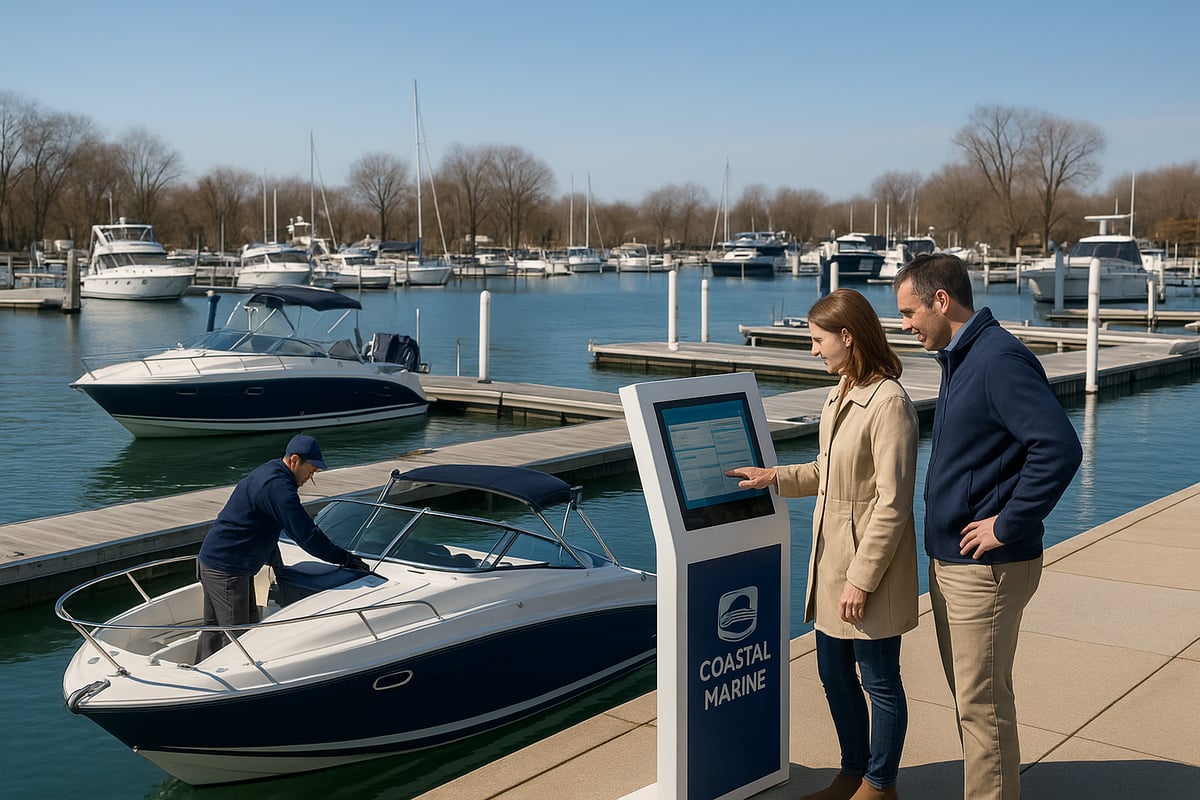
Every marine business faces the ebb and flow of seasonal demand. One month, you might be booking out every boat; the next, your docks are quiet, and the phones barely ring. This isn’t just a fact of life—it’s a critical challenge that digital marketing for boating businesses must address head-on. The right strategy can transform slow seasons into fresh opportunities, keeping revenue streams flowing all year.
Understanding Marine Business Seasonality
Seasonality is a core reality for operators in the marine industry. For most, bookings surge during warmer months and dip sharply as temperatures drop. Even in temperate regions, holidays and school breaks drive spikes in demand, while off-peak months can feel painfully slow.
Regional differences matter, too. In the Northeast, peak season is short and intense. In Florida or California, “shoulder seasons” can stretch longer, but competition ramps up. According to recent industry data, the 2026 boating market remains stable, yet unpredictable weather and shifting vacation patterns keep operators on their toes.
For digital marketing for boating businesses, understanding these cycles is the first step to building a strategy that works year-round.
Strategies for Off-Season Engagement
The slow season doesn’t have to mean silence. Smart digital marketing for boating businesses keeps you connected with past and future customers, even when boats are dry-docked.
Consider these off-season tactics:
- Promote winterization, maintenance, or upgrade packages.
- Share educational content—think how-to guides, safety checklists, or destination spotlights.
- Use email and social media to offer exclusive off-peak deals or early-bird booking incentives.
Stay visible in your audience’s inbox and social feeds. This ongoing engagement builds anticipation for the next busy season and positions your brand as the go-to resource for all things boating.
Event-Based and Holiday Marketing
Major holidays, local festivals, and regattas are powerful booking triggers. Digital marketing for boating businesses should always include a calendar of key events to plan campaigns well in advance.
Here’s how to make the most of event-based marketing:
- Launch early-bird specials for Memorial Day, July 4th, or Labor Day weekends.
- Bundle services—boat rentals plus on-board catering, for example.
- Collaborate with local tourism boards to promote special packages.
By aligning your offers with the events your customers care about, you create urgency and boost bookings during both peak and shoulder seasons.
Diversifying Revenue Streams
Relying solely on boat rentals or charters is risky in a seasonal industry. Leading digital marketing for boating businesses means exploring new ways to generate income throughout the year.
Some proven ideas:
- Eco-tours, fishing trips, or sailing lessons for different customer segments.
- Selling branded merchandise online.
- Partnering with hotels or restaurants for cross-promotions.
- Offering winter storage, repair, or online maintenance scheduling.
Diversification cushions your business from seasonal dips and opens up new audiences ready to book, no matter the month.
Leveraging Data for Predictive Planning
Data-driven decisions are essential for optimizing digital marketing for boating businesses. Tracking website traffic, booking trends, and peak inquiry times helps forecast demand and adjust your efforts.
Use these insights to:
- Allocate ad spend to high-potential weeks.
- Staff up for busy periods, scale down during lulls.
- Test new offers based on customer behavior.
Embracing analytics isn’t just about numbers—it’s about making smarter moves that keep your business ahead of the curve. For deeper insight into shifting consumer trends, check out Why Consumer Behavior Matters for Marinas.
Real-World Examples of Year-Round Success
Plenty of marine businesses are already turning seasonality into an advantage. For instance, one marina used a strategic combination of local SEO and retargeting ads to stay visible and attract bookings even in winter. Another boat dealer launched an online maintenance scheduler, driving steady off-season revenue.
Digital marketing for boating businesses is never one-size-fits-all, but success stories prove that the right mix of tactics—targeted campaigns, diversified services, and data-driven planning—can help any operator thrive, no matter the season. For tactical steps on boosting local visibility, explore this Local SEO for marine businesses guide.
Measuring ROI and Sustaining Long-Term Growth
Measuring the impact of digital marketing for boating businesses is more than just tracking clicks or likes. Sustainable growth comes from understanding which efforts drive real bookings, loyal customers, and steady revenue. Let’s break down how to measure, improve, and future-proof your marketing for the marine industry.
Setting the Right KPIs for Boating Businesses
To get real value from digital marketing for boating businesses, you need the right Key Performance Indicators (KPIs). It’s not just about website visitors or social followers. Focus on metrics that tie directly to business results, like:
- Total bookings and qualified leads
- Customer lifetime value (CLV)
- Website traffic and conversion rates
- Cost per acquisition (CPA) and booking source
These KPIs help marine businesses see which channels actually deliver results. By tracking them, you’ll know exactly where your efforts are paying off and where to double down.
Attribution and Tracking Tools
Attribution is all about knowing which touchpoints led to a booking, call, or inquiry. For digital marketing for boating businesses, it’s essential to use modern tracking tools that paint a full picture. Try these:
- Call tracking to see which ads drive phone calls
- UTM parameters for tracking campaign sources
- CRM integration to connect leads with booked trips
- Google Analytics 4 for mapping multi-channel customer journeys
Setting up these tools means you can measure every step of the buyer’s path. The result? Smarter decisions and fewer wasted dollars.
Calculating and Improving Marketing ROI
Understanding the return on investment is crucial for digital marketing for boating businesses. Here’s a simple formula:
(Revenue from marketing – Marketing spend) / Marketing spend = ROI
Let’s say you spent $5,000 and generated $23,000 in bookings. Your ROI is 3.6. But don’t just calculate—use those insights to improve. Identify top-performing channels and scale them. For a more detailed approach, use a tool like Measuring marketing ROI in boating to break down costs and see which campaigns truly drive profit.
Sustaining Growth Through Continuous Learning
The marine industry evolves fast. To keep digital marketing for boating businesses ahead of the curve, continuous learning is non-negotiable. Make it a routine to:
- Stay updated on digital trends and platform changes
- Invest in ongoing training for staff and marketing teams
- Follow industry leaders and attend marine marketing webinars
The more you learn, the more you adapt—turning small tweaks into big wins over time.
Building a Future-Proof Digital Marketing Engine
Future-proofing digital marketing for boating businesses means building a strong foundation and staying ready for change. Start by investing in first-party data—your own email lists, SMS subscribers, and loyal customer base. Prepare for privacy shifts and online ad regulations by owning your audience.
Embrace innovation: AR and VR tours, voice search, and AI-powered personalization are already making waves. Consult resources like the Marine Leisure Market Research Report 2035 to anticipate what’s coming. The most resilient marine brands are the ones that adapt quickly, experiment often, and make data-driven decisions every season.
You've seen how digital marketing can transform bookings and build resilience against seasonality in the marine industry. By leveraging a blended strategy—integrating SEO, PPC, and conversion optimization—you position your boating business for year-round growth and predictable results. If you're ready to take the guesswork out of your marketing, let’s talk about the specific opportunities for your business. I invite you to Schedule a Free Strategy Call so we can explore how these proven strategies can help you attract more customers and stay fully booked every season.