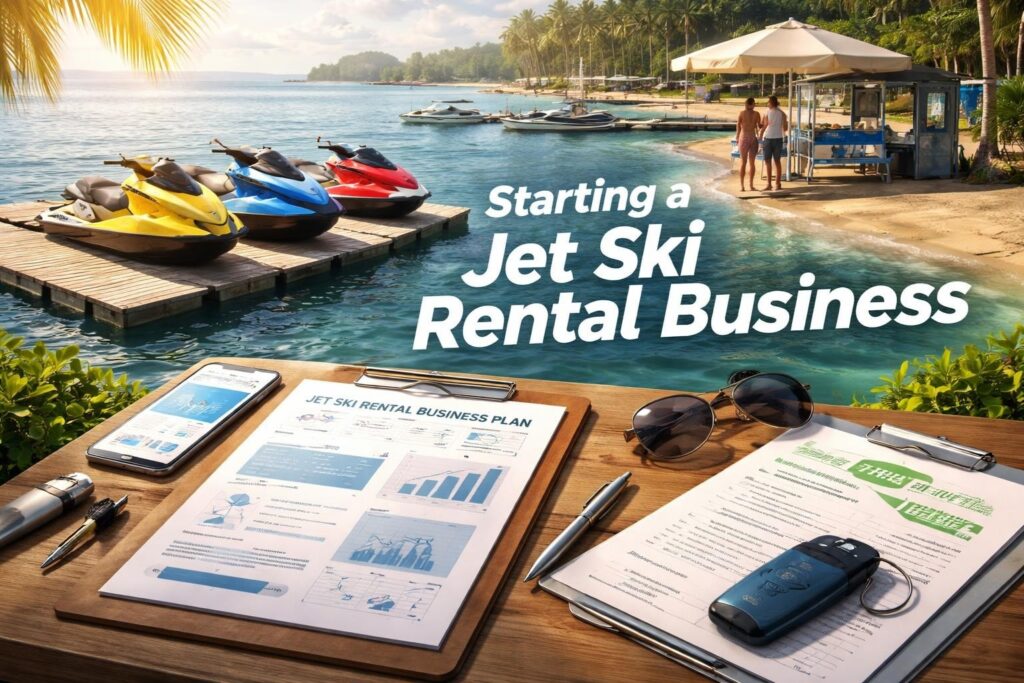
The watercraft rental industry continues to grow year over year, and jet ski rentals represent one of the most accessible entry points for marine entrepreneurs. If you've got a love for the water and some business savvy, learning how to start jet ski rental business operations might be your ticket to building a profitable marine venture. The barrier to entry is lower than yacht charters or large boat rentals, but the potential for strong seasonal revenue is absolutely there. You're offering tourists and locals alike that adrenaline rush they crave, plus you're operating in an industry that naturally attracts repeat customers and referrals.
The thing is, this isn't just about buying a couple of jet skis and setting up shop at the nearest beach. There's real planning involved-permits, insurance, maintenance schedules, marketing strategies, and safety protocols that can make or break your operation before you even get started. When you understand how to start jet ski rental business foundations properly, you set yourself up for sustainable growth instead of seasonal chaos.
Understanding the Market and Location Strategy
Your location determines everything. Seriously, you could have the newest fleet and the best prices, but if you're set up in the wrong spot, you'll struggle to fill your booking calendar.
High-traffic waterfront areas are your goldmine. Think tourist beaches, popular lakes, resort destinations, and marina districts where people are already in vacation mode and ready to spend. The best locations have:
- Consistent foot traffic during peak season
- Safe water conditions suitable for personal watercraft
- Proximity to hotels, resorts, or vacation rentals
- Minimal competition from established rental operators
- Clear access to launch areas and docking facilities
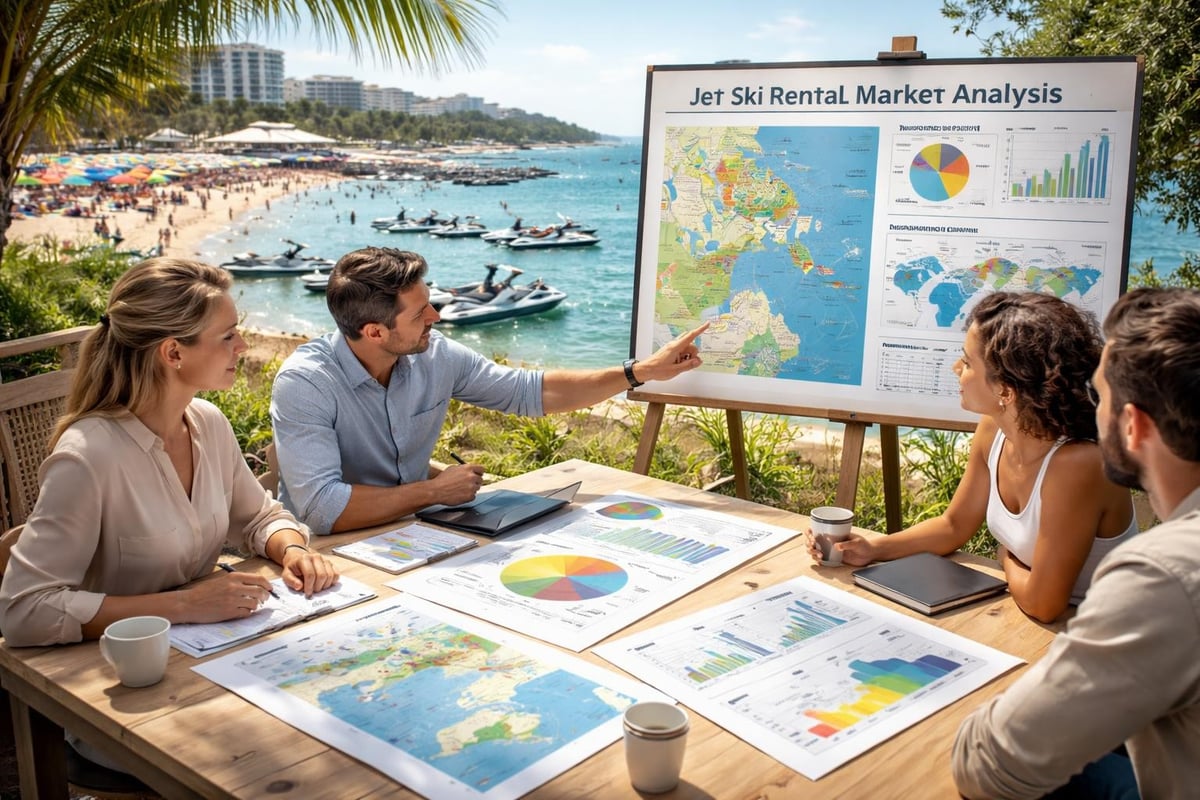
You'll also want to research your local market thoroughly. Who are your potential customers? Tourists looking for one-time thrills? Locals who might rent regularly during summer weekends? Corporate groups booking team-building experiences? Your answer shapes everything from your pricing strategy to your marketing channels.
Seasonal Demand Patterns
Most jet ski rental businesses operate seasonally, which means your revenue model needs to account for off-season periods. In Florida and Southern California, you might operate year-round with stronger summer months. In the Great Lakes region or Northeast, you're looking at a concentrated May-through-September season.
Understanding these patterns helps you budget properly and plan for the lean months. Some operators diversify with winter marine services or shift to equipment sales during off-season periods.
Legal Requirements and Business Formation
Here's where things get real. The legal side of learning how to start jet ski rental business operations can feel overwhelming, but it's absolutely critical. You're dealing with potential liability every single time someone takes a jet ski out on the water.
Business Structure and Registration
First, decide on your business entity. Most operators choose an LLC for liability protection-it shields your personal assets if something goes wrong. You'll need to:
- Register your business with your state
- Obtain an Employer Identification Number (EIN) from the IRS
- Open a dedicated business bank account
- Apply for necessary state and local business licenses
Each jurisdiction has different requirements, so check with your local county clerk's office and state commerce department. Coastal areas often have additional marine-specific permits you'll need to secure.
Permits and Licensing
The permitting process varies wildly depending on your location. Legal requirements for renting personal watercraft include commercial watercraft operation permits, beach access permits, and environmental compliance certifications.
| Permit Type | Purpose | Typical Cost Range |
|---|---|---|
| Business License | General operation authority | $50-$500 |
| Commercial Use Permit | Operating on public waters | $200-$2,000 |
| Beach Access Permit | Shore-based operations | $300-$1,500 |
| Environmental Compliance | Water quality and safety standards | $100-$800 |
You might also need special endorsements on your personal boating license to operate a commercial rental operation. Don't skip this step-operating without proper permits can result in massive fines and immediate shutdown orders.
Insurance Coverage
This is non-negotiable. You need comprehensive commercial marine insurance that covers liability, property damage, and watercraft hull coverage. Personal jet ski insurance won't cut it when you're running a commercial operation.
Work with an insurance broker who specializes in marine businesses. You're looking at annual premiums between $3,000 and $15,000 depending on your fleet size and location. Securing specialized marine insurance protects you from catastrophic losses if accidents occur.
Fleet Acquisition and Equipment Costs
Your jet skis are your inventory, and choosing the right equipment makes a huge difference in maintenance costs and customer satisfaction.
Selecting Your Fleet
New jet skis run between $8,000 and $18,000 per unit depending on the model and features. Most startup operators begin with 3-6 units to test the market before scaling up.
Key considerations when selecting watercraft:
- Brand reliability and parts availability
- Fuel efficiency and operating costs
- Passenger capacity (single vs. double riders)
- Maintenance requirements and warranty coverage
- Resale value for fleet rotation
Yamaha, Sea-Doo, and Kawasaki dominate the rental market for good reason-they're reliable, parts are readily available, and mechanics know how to work on them. You'll also want models that can handle beginner riders without being too underpowered for experienced customers.
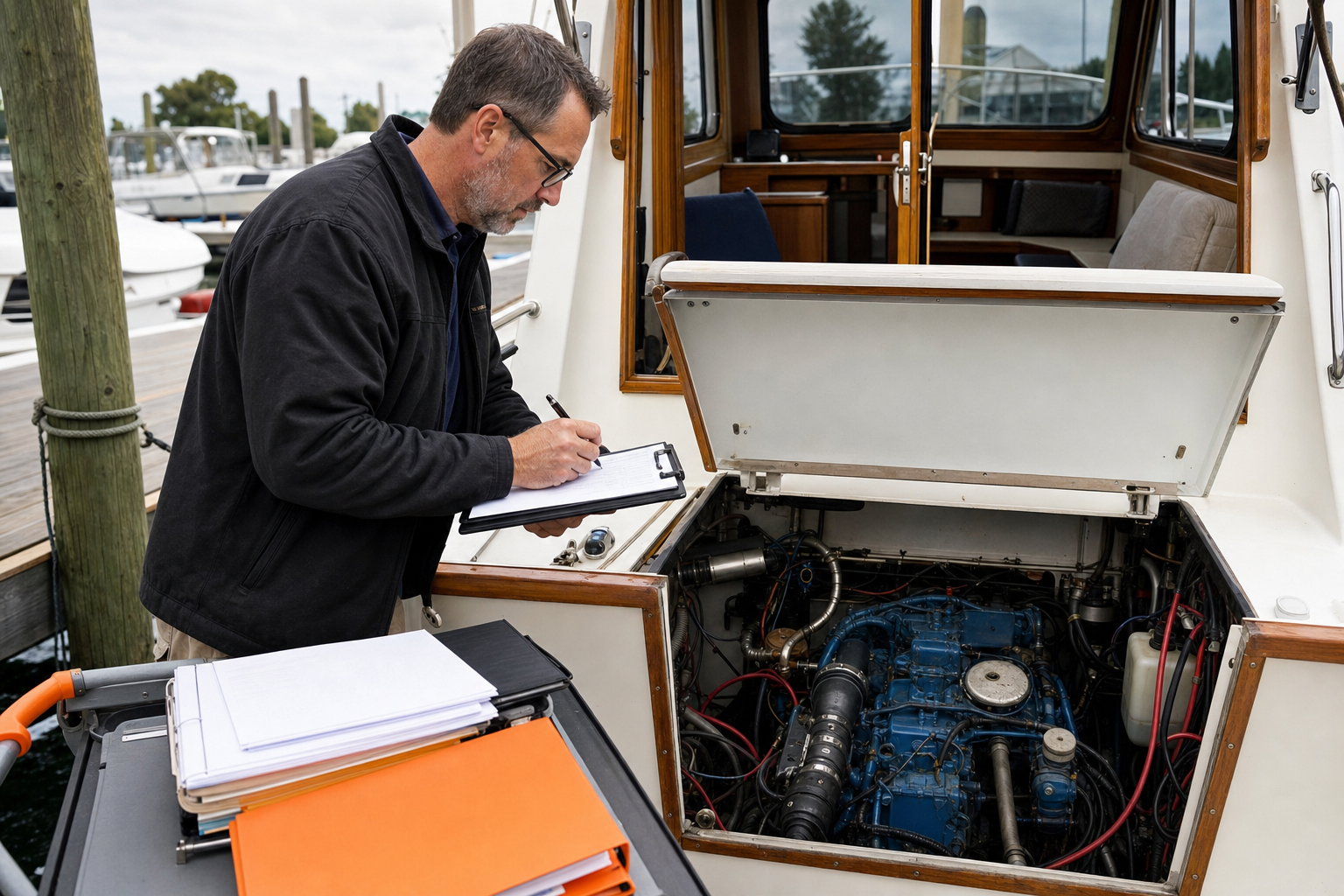
Some operators buy used units to reduce startup capital expenditure, but this comes with higher maintenance risk. If you go the used route, get a marine mechanic to inspect everything before purchase.

Additional Equipment Needs
Beyond the jet skis themselves, you'll need:
- U.S. Coast Guard-approved life jackets (multiple sizes)
- Safety whistles and lanyards
- First aid kits and emergency equipment
- Fuel storage and transport systems
- Cleaning and maintenance supplies
- Dock space or trailer storage
- Signage and safety instruction materials
Budget an additional $2,000-$5,000 per jet ski for support equipment and safety gear.
Operational Infrastructure and Safety Protocols
How you run daily operations determines your profitability and legal compliance. Poor systems lead to unhappy customers, equipment damage, and potential lawsuits.
Rental Process and Customer Management
You need a streamlined check-in and check-out system. Most successful operators use rental management software that handles:
- Online booking and payment processing
- Digital waiver signing
- Equipment assignment and tracking
- Damage documentation with photos
- Maintenance scheduling alerts
The check-in process should include mandatory safety briefings. Even experienced riders need to understand your specific rules, local water hazards, and emergency procedures. Document everything-signed waivers, briefing completion, and equipment condition checks.
Safety Training and Compliance
Every renter should receive instruction on:
- Basic jet ski operation and controls
- Local navigation rules and restricted areas
- Emergency procedures and distress signals
- Weather condition awareness
- Wildlife protection zones
Consider requiring a short practice run in a controlled area for first-time riders. Yes, it takes extra time, but it dramatically reduces accidents and equipment damage. Equipment standards and safety rules vary by state, so verify your local regulations.
Maintenance Schedules
Jet skis require regular maintenance to stay safe and reliable. Create a systematic approach:
| Maintenance Type | Frequency | Typical Tasks |
|---|---|---|
| Daily Check | Before each rental | Fuel level, hull inspection, safety equipment check |
| Weekly Service | End of week | Engine flush, battery check, deep cleaning |
| Monthly Maintenance | Every 30 days | Oil change, filter replacement, full mechanical inspection |
| Seasonal Overhaul | Off-season | Winterization, major repairs, parts replacement |
Factor maintenance costs into your pricing. Budget approximately 10-15% of gross revenue for ongoing maintenance and repairs.
Pricing Strategy and Revenue Optimization
Setting the right prices makes the difference between a profitable season and barely breaking even. You need to cover costs while remaining competitive in your local market.
Rental Rate Structure
Most jet ski rental businesses use hourly or half-day pricing tiers:
- 30-minute rides: $50-$75 (tourist areas)
- 1-hour rentals: $80-$120
- 2-hour packages: $140-$200
- Half-day (4 hours): $250-$400
- Full-day access: $400-$600
Premium locations command premium prices. A Miami Beach operator can charge significantly more than someone operating on a small inland lake. Research your direct competitors and position yourself strategically-you don't necessarily want to be the cheapest option.
Additional Revenue Streams
Smart operators don't rely solely on hourly rentals. Consider adding:
- Guided jet ski tours with premium pricing
- Photography packages or GoPro rentals
- Group discounts for corporate events or parties
- Sunset or sunrise specialty experiences
- Multi-day rental packages with loyalty discounts
- Retail sales of water sports accessories
The best part? These add-ons often carry higher profit margins than basic rentals because they leverage assets you already own.
Marketing and Customer Acquisition
You can have the best fleet and location, but if people don't know you exist, your calendar stays empty. This is where understanding how to start jet ski rental business marketing becomes critical.
Digital Marketing Fundamentals
Your website is your 24/7 salesperson. It needs to:
- Load fast on mobile devices (most bookings come from phones)
- Feature clear pricing and availability calendars
- Include high-quality photos and videos of your fleet and location
- Offer easy online booking with instant confirmation
- Showcase customer reviews and safety certifications
Search engine visibility matters enormously in the marine rental industry. When tourists search "jet ski rental near me" or "things to do in [your city]," you need to appear in those results. This requires proper marine industry SEO strategies and ongoing optimization.
Local SEO and Google Business Profile
Your Google Business Profile is arguably your most important marketing asset. Optimize it with:
- Accurate hours, location, and contact information
- Dozens of high-quality photos showing your equipment and location
- Prompt responses to all reviews (positive and negative)
- Regular posts about specials, weather conditions, and availability
- Categories that accurately reflect your services
Plus, encourage every satisfied customer to leave a review. Those five-star ratings drive significant booking volume, especially from tourists making last-minute decisions.
Paid Advertising Strategy
Organic visibility takes time to build. While you're working on SEO, PPC advertising can drive immediate bookings. Focus on:
- Google Ads targeting location-specific keywords
- Facebook and Instagram ads with eye-catching video content
- Retargeting campaigns for website visitors who didn't book
- Seasonal promotions during peak tourist periods
Track everything. You need to know which marketing channels deliver actual bookings, not just clicks or likes.
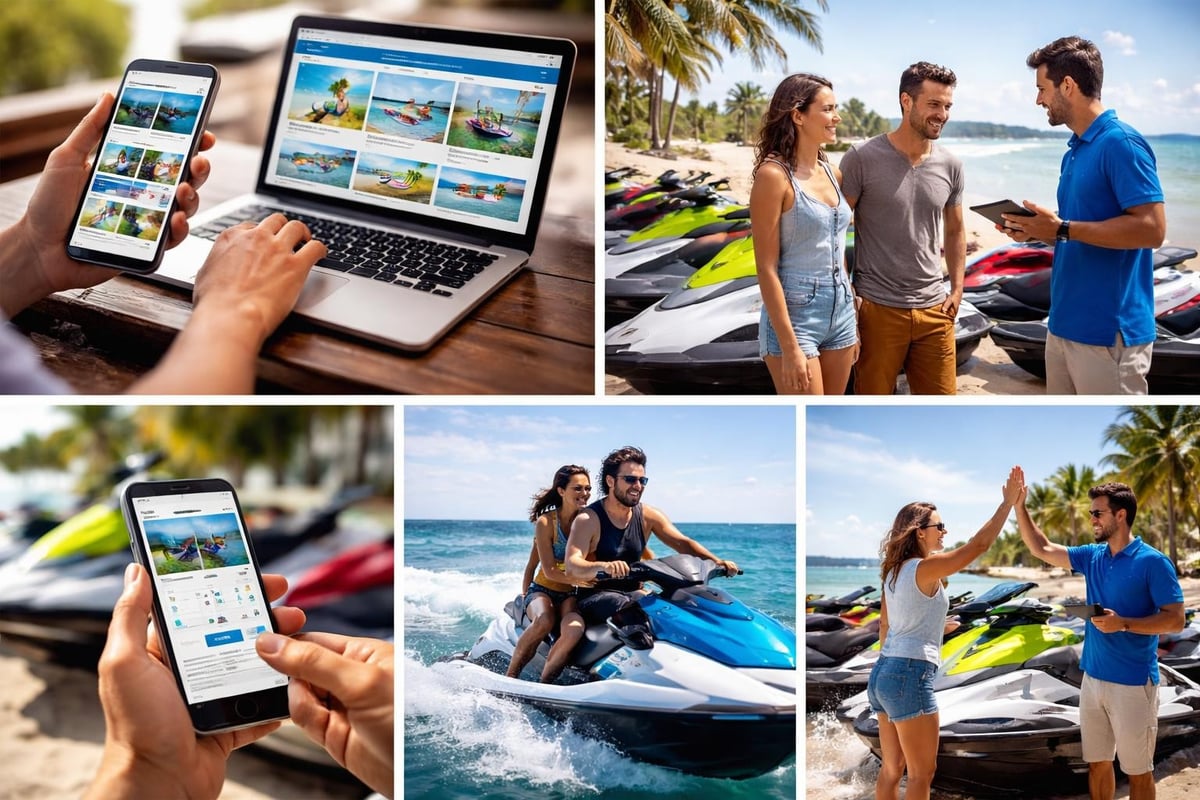
Partnership and Referral Networks
Build relationships with local hotels, resorts, and tour operators. Many offer concierge services and recommend activities to guests. A simple commission structure (10-20% of bookings) creates win-win partnerships.
Tourism boards and visitor centers also provide valuable exposure. Get your business listed in local tourism guides and activity recommendation lists.
Financial Planning and Profitability
Understanding the numbers helps you make smart decisions about fleet size, pricing, and expansion timing.
Startup Cost Breakdown
Initial investment requirements typically include:
- Fleet acquisition: $30,000-$90,000 (3-6 jet skis)
- Insurance and permits: $5,000-$10,000
- Equipment and safety gear: $6,000-$15,000
- Facility setup and docking: $5,000-$20,000
- Marketing and website: $3,000-$8,000
- Working capital reserve: $10,000-$20,000
Total startup range: $60,000-$165,000 depending on scale and location.
Operating Expenses
Monthly costs during operating season include:
- Dock or storage fees
- Fuel and maintenance supplies
- Insurance premiums (often paid annually)
- Staff wages (if hiring help)
- Marketing and advertising
- Equipment repairs and replacements
Calculate your break-even point by dividing fixed costs by your per-rental profit margin. This tells you how many rentals you need monthly to cover expenses.
Revenue Projections
A well-located operation with 5 jet skis can generate $8,000-$15,000 in monthly revenue during peak season. Annual gross revenue ranges from $50,000 to $200,000+ depending on season length and location.
Net profit margins typically run 20-35% after all expenses. Your first year will likely fall on the lower end as you build your customer base and refine operations.
Scaling and Growth Strategies
Once you've proven the concept and built steady demand, you can expand strategically.
Fleet Expansion Timing
Add units when you're consistently at 80%+ capacity during peak hours. Running fully booked means you're turning away revenue, but expanding too quickly eats up cash flow without guaranteed return.
Consider seasonal fleet rotation-buy additional units for peak summer months and sell them in late fall to reduce off-season storage and maintenance costs.
Location Diversification
Successful operators sometimes expand to multiple beaches or lake locations within their region. This spreads risk and captures different customer segments, but it requires additional permits and operational complexity.
Make sure your first location is running smoothly and profitably before attempting multi-site operations.
Service Line Expansion
Beyond basic rentals, consider adding:
- Jet ski fishing charters for a specialized niche
- Racing events or competitions
- Winter equipment rentals (if your location supports it)
- Boat or kayak rentals using similar infrastructure
E-commerce opportunities also exist-selling water sports gear, branded merchandise, or even online courses about jet ski operation and safety.
Technology and Booking Systems
Modern rental operations run on technology. Manual processes create bottlenecks and errors that cost you money.
Rental Management Software
Invest in software that handles:
- Real-time availability calendars
- Automated booking confirmations and reminders
- Digital waiver collection and storage
- Payment processing and receipts
- Equipment tracking and maintenance logs
- Customer database for remarketing
Popular platforms like Pulso Rent or FareHarbor cater specifically to activity and equipment rental businesses. The monthly subscription cost ($50-$300) pays for itself through improved efficiency and reduced no-shows.
Customer Communication
Automated SMS reminders reduce no-shows significantly. Send confirmations, weather updates, and preparation instructions automatically based on booking dates.
Collect phone numbers and email addresses to build your remarketing database. Previous customers are your easiest sales-they already trust you and know the experience.
Learning how to start jet ski rental business operations successfully requires attention to legal compliance, smart financial planning, and aggressive marketing to build consistent bookings. The marine rental industry rewards operators who prioritize safety, invest in quality equipment, and create memorable customer experiences that generate referrals and repeat business. If you're looking to build predictable customer flow and maximize your booking calendar year-round, Aquatic SEO specializes exclusively in helping marine businesses like yours dominate search results and convert more browsers into paying customers through proven SEO, PPC, and conversion optimization strategies.