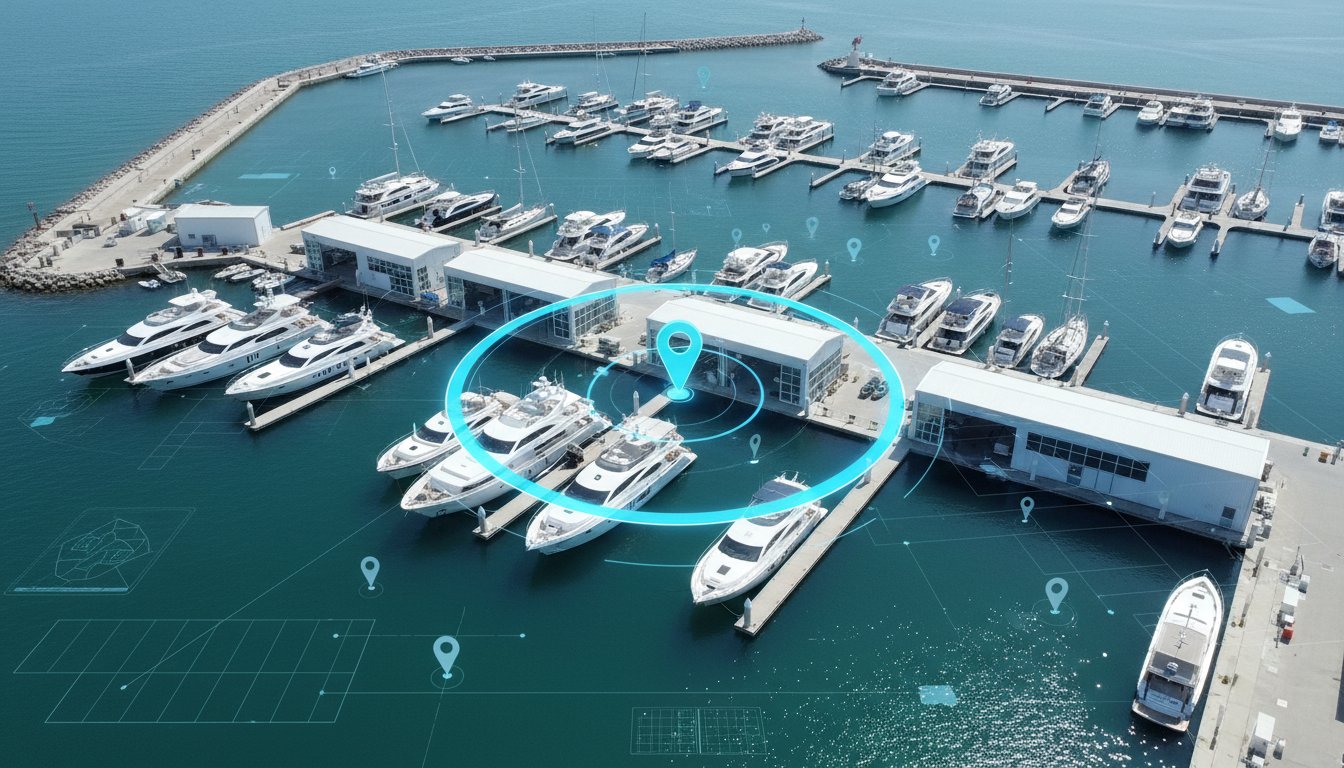
Imagine your marine business running at full throttle, every guest interaction tracked, every marketing dollar working smarter, and bookings rolling in like clockwork. That’s the power of crm analytics. This guide is your blueprint for mastering crm analytics in 2026, tailored for forward-thinking marine industry leaders ready to chart a course for data-driven growth.
You’ll discover what crm analytics is, why it’s now essential, the features and tools that give you an edge, step-by-step strategies for implementation, future trends, and the most common pitfalls to avoid.
Tired of guessing what drives your bookings? Craving insights that turn your data into real results? Unlock strategies to keep your marina or charter business booked solid, season after season. Dive in and start steering your business toward measurable, data-powered success in 2026.
What Is CRM Analytics? Understanding the Basics
Imagine running your marine business with a digital compass that always points toward growth. That’s the promise of crm analytics in today’s competitive landscape. But what exactly does this mean for a marina, charter company, or boat rental operator?

Defining CRM Analytics
CRM analytics is the process of collecting, analyzing, and acting on customer data within your CRM platform. Unlike standard CRM, which mainly stores and organizes contacts, crm analytics digs deeper. It uncovers patterns in your bookings, customer preferences, and marketing results.
In the marine industry, this means integrating crm analytics with booking systems, scheduling tools, and even inventory management. For example, a boat rental business can use crm analytics to track which types of vessels are most popular with returning clients, then optimize its fleet accordingly.
This isn’t just a trend for global giants. According to CRM Analytics Market Growth Projections, the market for crm analytics is rapidly expanding, and marine businesses of all sizes can now access these insights to drive smarter decisions.
Core Components and Data Sources
The power of crm analytics comes from its ability to combine data from multiple sources, giving you a holistic view of your operations. Typical data inputs include bookings, customer profiles, service records, website interactions, and various marketing touchpoints.
Crm analytics unifies information from email, phone, social media, and even walk-ins, making sure nothing slips through the cracks. The key is data quality. Clean, accurate information leads to better insights and more effective action.
Picture a marina that combines slip reservation details with post-visit customer feedback. With crm analytics, they can spot upsell opportunities—like offering premium services to satisfied repeat guests.
How CRM Analytics Differs from Standard Reporting
Basic CRM reports often provide static, historical snapshots, limited to what happened last month or quarter. The real value of crm analytics is its ability to offer predictive insights, real-time dashboards, and a full view across all your customer channels.
For instance, a standard report might tell you how many bookings you had last month. Crm analytics, on the other hand, can predict next month’s demand by analyzing weather patterns, local events, and customer behavior trends.
This shift lets marine business owners move from reacting to problems after they occur to proactively shaping their business strategy. Crm analytics empowers you to act confidently, not just look back.
The Evolution: From Reports to Actionable Intelligence
CRM analytics has evolved from simple spreadsheets to advanced, AI-powered dashboards. Today’s platforms offer machine learning, automation, and mobile access—all critical for fast-moving marine businesses.
Marine service providers now use mobile crm analytics apps to dispatch crews based on real-time demand, reducing downtime and keeping customers happy. Automation means you can deliver timely offers, reminders, and updates without manual effort.
According to Salesforce, 89 percent of high-performing businesses rely on analytics for decision-making. With crm analytics, your marine business gains the same edge, transforming data into actionable intelligence that’s always at your fingertips.
Why CRM Analytics Matters for Marine Businesses in 2026
Marine businesses are entering a new era where every decision can be backed by data, not just intuition. CRM analytics is rapidly becoming the backbone of smart growth strategies in the marine sector. Here’s why it matters more than ever for 2026.

Unlocking Predictable Bookings and Revenue
CRM analytics gives marine businesses the power to spot booking patterns, understand seasonality, and calculate customer lifetime value with precision. Imagine a yacht charter company using predictive models to adjust marketing spend during peak booking windows. The result? Fewer surprises, less empty inventory, and more predictable revenue streams.
In fact, companies leveraging CRM analytics see up to 63 percent more bookings within a year, according to industry case studies. By relying on data instead of guesswork, marine operators can smooth out revenue dips and fill more slips, even in traditionally slow months. If you're ready to take your lead generation to the next level, check out this Lead generation for marine businesses guide for proven, data-driven tactics.
Personalizing Customer Experiences
With CRM analytics, you can segment customers by preferences, spending habits, and past behavior. This allows you to send targeted offers—like a special rate for repeat guests who prefer weekend sailings. Personalized outreach not only increases loyalty but also boosts repeat bookings.
Research shows that personalized marketing can raise conversion rates by over 20 percent. In a market where relationships drive sales, harnessing CRM analytics to tailor the customer journey is a game-changer. The ability to anticipate needs and exceed expectations keeps your marina or charter business top of mind.
Optimizing Marketing and Sales Efforts
CRM analytics uncovers which marketing channels and campaigns convert browsers into bookers. Maybe Google Ads bring in more last-minute rental bookings than Facebook, or your email campaigns resonate best with returning clients. With this knowledge, you can allocate budget and resources where they count most.
No more wasted spend or scattershot strategies. CRM analytics empowers you to focus on high-performing campaigns, lowering your cost per booking and maximizing every marketing dollar. Smarter decisions today mean stronger sales tomorrow.
Improving Operations and Customer Service
Real-time dashboards powered by CRM analytics let you monitor service requests, track customer inquiries, and measure satisfaction scores as they happen. Marinas can even predict maintenance needs, minimizing downtime and keeping the fleet in top shape.
Customers expect quick, proactive service. By using CRM analytics to anticipate issues and respond faster, you not only protect your reputation but also encourage positive word of mouth. In 2026, delivering seamless, data-driven service is the standard, not the exception.
Key Features and Tools of Modern CRM Analytics Platforms
The right crm analytics platform can transform how your marine business understands customers, manages bookings, and grows revenue. Let’s break down the essential features you need to stay ahead in the marine industry.
Data Integration and Connectivity
Data integration is the foundation of effective crm analytics in the marine sector. Modern platforms connect your CRM with booking engines, POS systems, website forms, and even external data like weather or event calendars.
This unified approach allows you to see the full customer journey, from initial inquiry to repeat visit. For example, integrating slip reservations, service logs, and e-commerce sales gives you a 360-degree view of each client.
Without connected data, insights are incomplete and decisions are based on guesswork. With crm analytics, every touchpoint counts, helping you spot trends and act quickly.
Real-Time Dashboards and Custom Reporting
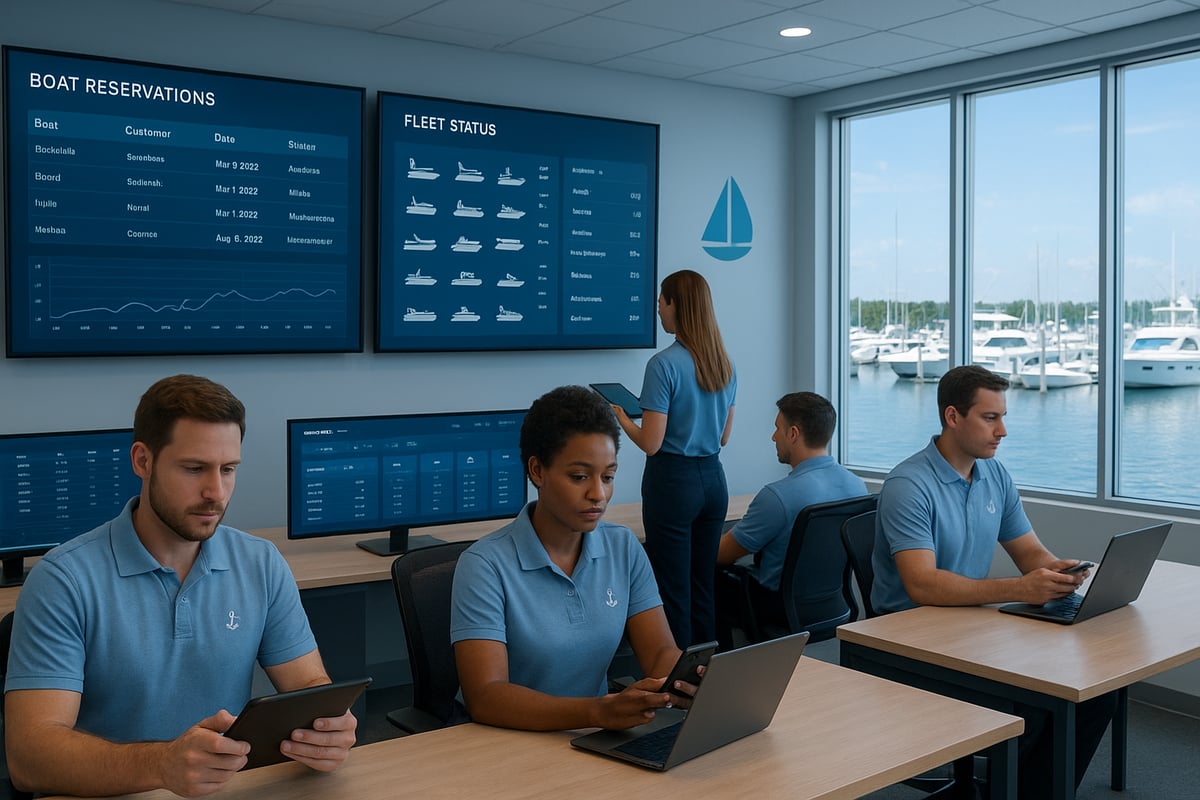
Interactive dashboards are a hallmark of crm analytics platforms. These tools visualize bookings, revenue, marketing ROI, and fleet utilization in real time—essential for marine businesses that need to respond fast.
Dashboards can be customized by user role, so owners, managers, and staff each see what matters most. Imagine a daily snapshot of available boats, upcoming reservations, and open service tickets, all in one place.
The best part? When paired with marine marketing solutions, crm analytics turns data into actionable insights, helping you refine campaigns and boost bookings.
Predictive Analytics and AI
The latest crm analytics platforms use predictive analytics and AI to forecast demand, spot at-risk customers, and recommend upsells. Machine learning models analyze historical and real-time data, giving you a heads-up on upcoming trends.
For instance, the system might predict when a regular client is likely to book again, then trigger a personalized reminder. This proactive approach means you’re not just reacting to trends—you’re shaping them.
AI-driven crm analytics helps marine businesses maximize revenue by making smarter, faster decisions every day.
Collaboration and Mobile Access
Collaboration is key in any marine operation. Crm analytics platforms now offer mobile access and integration with team communication tools, so everyone stays aligned.
Team members can receive real-time updates on slip assignments, customer arrivals, or urgent service needs directly to their phones or tablets. This keeps your crew responsive and your customers happy.
Mobile-friendly crm analytics means your staff can access insights dockside, in the office, or on the go—no more missed opportunities.
Security, Compliance, and Data Privacy
Security and compliance are non-negotiable for crm analytics, especially with strict data privacy regulations. Modern platforms offer role-based access controls, data encryption, and built-in GDPR compliance.
Sensitive customer data is restricted to authorized users only, protecting both your business and your clients’ trust. For marine businesses, this level of security is critical—not just for regulatory reasons, but for maintaining reputation in a competitive market.
With crm analytics, you can confidently manage customer relationships, knowing your data is safe and compliant.
Step-by-Step: Implementing CRM Analytics in Your Marine Business
Getting started with crm analytics might feel overwhelming, but the payoff is worth it. Here’s your roadmap to building a data-driven marine business, one step at a time. Each phase is crucial, and skipping any step can slow your results or lead to wasted effort.
Step 1: Audit and Prepare Your Data
Start by rounding up all existing data sources. That means your CRM, booking engine, spreadsheets, customer emails, and even handwritten notes. Crm analytics can only provide value if your data is clean and unified.
Go through each source, deduplicate records, and standardize formats. For example, merge duplicate customer profiles so every guest has a single, complete record. Inconsistent or outdated data will lead to misleading insights, so take the time now to get this right.
A clean foundation is the first step toward reliable crm analytics. Think of it as prepping your hull before setting out to sea.
Step 2: Define Clear Business Goals and KPIs
With your data in order, set specific goals for your crm analytics project. What do you want to achieve? Maybe it’s filling 95% of marina slips during peak season or increasing repeat bookings by 20 percent.
Identify key performance indicators that matter most: booking rate, average spend per guest, customer satisfaction, marketing ROI. Crm analytics should always serve your business priorities, not the other way around.
Clear goals keep your efforts focused and your team aligned. They also make it easier to measure progress and celebrate wins.
Step 3: Choose the Right CRM Analytics Platform
Evaluate platforms that fit your marine business’s needs. Consider options like Salesforce CRM Analytics, HubSpot, Zoho, or marine-specific tools. Look for seamless integrations, scalability, mobile access, and strong support.
Compare features: Does the system offer real-time dashboards? Can it automate routine tasks? Review user feedback and case studies. According to CRM Adoption and ROI Statistics, businesses that select the right crm analytics platform see higher adoption rates and measurable ROI.
Do not rush this decision. The right platform is the backbone of your analytics journey.
Step 4: Integrate Systems and Automate Data Flow
Once you pick your crm analytics platform, it is time to connect all your systems. Link your booking engine, point-of-sale, website forms, and marketing tools. Use APIs or middleware to automate data transfer and ensure everything flows into the CRM seamlessly.
For example, set up your website so every new inquiry or booking drops straight into your crm analytics dashboard. This reduces manual entry and minimizes errors.
Automation frees up your team to focus on service and sales instead of data wrangling.
Step 5: Build Dashboards and Set Up Alerts
Now, create dashboards tailored to each role in your business—owners, sales staff, operations, and marketing. Crm analytics dashboards should display bookings, revenue, upcoming reservations, and open service requests at a glance.
Set up automated alerts for important triggers, like low inventory or VIP customer bookings. For example, get instant notifications when a high-value client reserves a charter.
This real-time visibility helps you act quickly, keep customers happy, and stay ahead of issues.
Step 6: Train Your Team and Foster a Data-Driven Culture
Even the best crm analytics system will not deliver results if your team does not use it. Invest in hands-on training so everyone knows how to access dashboards, interpret insights, and act on data.
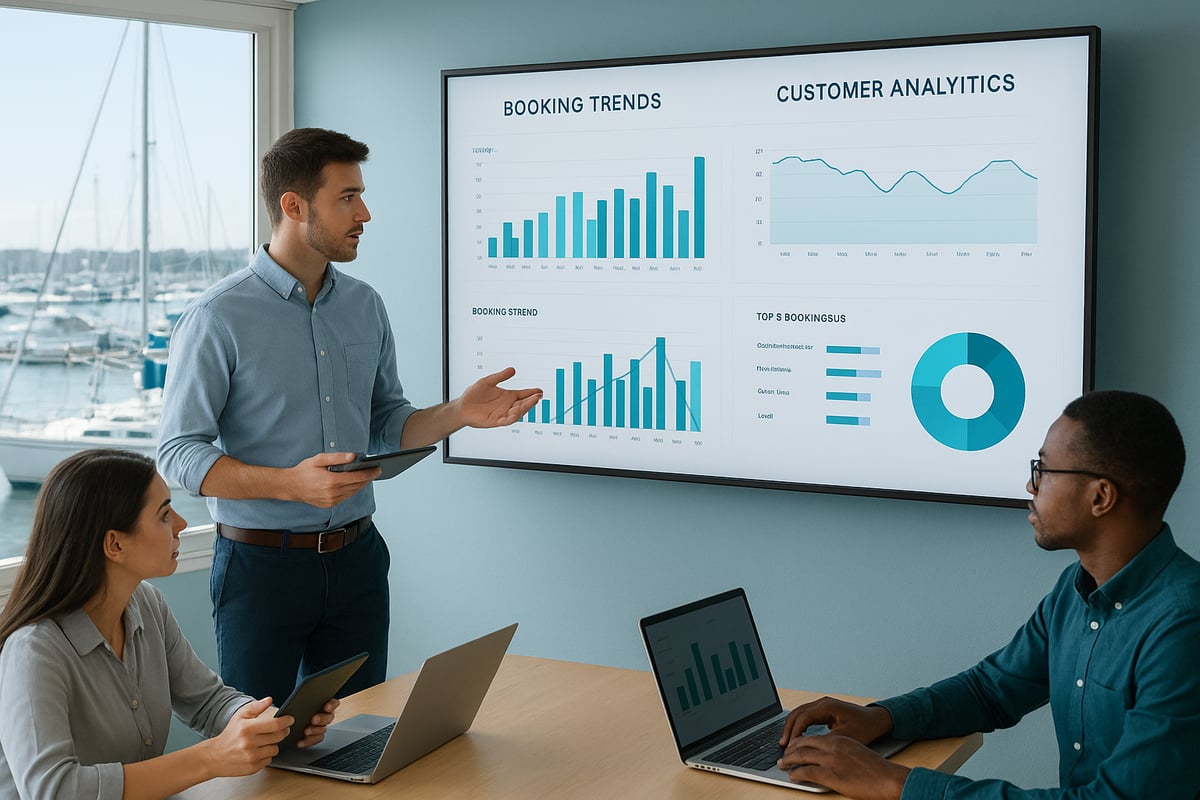
Hold regular reviews—maybe weekly team huddles to discuss booking trends and campaign performance. Highlight success stories to build buy-in and excitement.
Teams that embrace crm analytics are twice as likely to achieve their growth targets. Culture matters just as much as technology.
Step 7: Review, Iterate, and Optimize
Crm analytics is not a one-and-done project. Make time to regularly review your results. Analyze what’s working, what isn’t, and why.
For example, if a PPC campaign is not driving bookings, adjust your spend or creative. If customer satisfaction dips, dig into the data to uncover root causes.
Continuous improvement keeps your marine business agile and competitive. Let crm analytics guide your next move, and you’ll always be ready for what’s ahead.
Advanced Strategies: Leveraging CRM Analytics for Competitive Advantage
Taking crm analytics to the next level gives marine businesses a real edge. Beyond the basics, these strategies let you predict trends, maximize revenue, and serve guests in ways that truly set you apart. Here’s how the most successful marinas and charters leverage crm analytics for measurable results.
Predictive Booking and Dynamic Pricing
With crm analytics, marine businesses can finally stop guessing when to raise prices or add boats to the schedule. Predictive models analyze past booking data, weather patterns, and local events to forecast spikes in demand. Imagine knowing two weeks in advance that a regatta will drive up interest—so you adjust rates and maximize profit.
Dynamic pricing, powered by crm analytics, lets you flex rates in real time based on demand. Industry benchmarks show this can boost revenue by up to 25 percent. By acting on these insights, you stay a step ahead of competitors and fill more slips, even during shoulder seasons.
Customer Segmentation and Lifetime Value Analysis
Not all customers are the same, and crm analytics helps you see that clearly. Segment your audience by spend, behavior, or preferences—like weekend sailors versus weekday cruisers. This lets you tailor offers, perks, and marketing messages to the right groups.
Lifetime value analysis, made possible through crm analytics, reveals which clients deserve special attention. Maybe your top 10 percent of customers generate half your revenue. Focus retention campaigns on them, while also designing win-back offers for lapsed clients. This targeted approach drives loyalty and higher margins.
Cross-Sell and Upsell Opportunities
Crm analytics uncovers new revenue streams hiding in plain sight. By tracking customer journeys, you’ll spot patterns—maybe new boat owners often book lessons, or families add catering to their charters. Use this data to recommend relevant add-ons at just the right moment.
Set up automated suggestions in your crm analytics platform so staff never miss a chance to cross-sell or upsell. Every customer touchpoint becomes a revenue opportunity. Over time, these incremental sales add up, boosting your bottom line with minimal extra effort.
Marketing Attribution and ROI Tracking
Ever wonder which marketing channel actually fills your slips? Crm analytics provides clear attribution, showing which ads, keywords, or emails drive bookings. This lets you confidently shift budget to what works and cut what doesn’t.
For marine businesses looking to align digital strategy with crm analytics, our SEO checklist for marine industry is a smart companion. Pairing attribution data with proven SEO tactics ensures every dollar spent brings measurable returns and fewer wasted ad campaigns.
Operational Efficiency and Resource Allocation
Crm analytics isn’t just about sales and marketing. Operational insights help you run lean and responsive. Predict busy weekends and adjust crew schedules accordingly. Use booking and maintenance data to optimize fleet availability and minimize downtime.
Real-time analytics flag low inventory or increased service needs, so you can act fast. Even supply orders become smarter—no more overstocked shelves or last-minute scrambles. Efficient operations mean happier customers and healthier profits, all thanks to crm analytics.
The Future of CRM Analytics: Trends and Innovations in 2026
Change is constant in the world of crm analytics, and the marine industry is riding the wave of innovation. As we look ahead to 2026, several trends are set to redefine how marinas, charter operators, and marine service providers use data to drive results. Let’s explore what’s coming next—and how your business can stay ahead.
AI-Driven Insights and Prescriptive Recommendations
Artificial intelligence is reshaping crm analytics, delivering not just predictions but actionable advice. Picture your platform suggesting, “Boost your ad spend on Saturdays for 15% more bookings,” or flagging a customer likely to churn before it happens. This hands-off, insight-driven management style is becoming the norm. Leading platforms are integrating AI to empower sales and service teams with smarter data, greater accuracy, and real-time recommendations. For an in-depth look at how AI is powering this shift, check out AI Integration in CRM Systems. By 2026, expect crm analytics to help you make faster, more confident decisions—no guesswork required.
Seamless Integration with IoT and Smart Devices
The rise of IoT is making crm analytics even more powerful for marine businesses. Imagine your crm analytics platform pulling real-time data from GPS trackers, dockside sensors, and smart maintenance tools. This means you get instant alerts about vessel locations, fuel usage, or equipment issues, all feeding directly into your customer records. With seamless integration, marine operators can schedule maintenance before problems arise, optimize routes, and deliver a smoother experience for every guest. IoT data combined with crm analytics means no more surprises—just smarter, more proactive operations.
Voice and Conversational Analytics
Voice-driven technology is taking crm analytics to new heights of accessibility. Marine managers can now ask, “How many slips are reserved this weekend?” and get immediate answers, even while walking the docks. Conversational analytics removes barriers for busy teams, letting you pull up booking stats, customer histories, or sales trends hands-free. This trend is all about speed and simplicity, helping marine businesses stay responsive in fast-paced environments. By 2026, voice-enabled crm analytics will be a standard tool for on-the-go decision makers.
Enhanced Data Privacy and Ethical AI
With stricter regulations and rising customer expectations, data privacy is front and center in crm analytics. Marine businesses must ensure that sensitive customer data is handled transparently and ethically. Modern platforms are embedding robust consent management, encryption, and ethical AI guardrails right into their systems. Customers want to know their information is safe, and businesses that prioritize privacy will earn trust and loyalty. In 2026, expect crm analytics to offer even more control and visibility over how data is used, keeping your operations both compliant and secure.
Industry-Specific Solutions and Customization
Generic solutions are out—marine-focused crm analytics tools are in. The future brings dashboards and workflows tailored for marinas, charters, and service providers, with pre-built templates and industry-specific metrics. Customization means faster setup, easier adoption, and dashboards that speak your language. As marine businesses demand more from their technology, crm analytics platforms will continue to evolve, delivering exactly what your team needs to grow. In a crowded market, those who embrace these tailored innovations will chart a course to measurable success.
Common Pitfalls and How to Avoid Them
Poor Data Quality and Integration Issues
Let’s face it, crm analytics is only as good as the data you feed it. If your booking records, customer profiles, or service logs are incomplete or outdated, you’ll end up with misleading insights. Siloed systems can create duplicate records, making it tough to track customer journeys or personalize communication.
For marine businesses, this often means marketing to the wrong client or missing key upsell opportunities. To avoid these traps:
- Schedule regular data audits.
- Use automated data cleaning tools.
- Integrate all booking, sales, and service channels.
Clean, unified data is the foundation for reliable crm analytics.
Lack of Clear Goals and Overcomplicating KPIs
Without a clear plan, crm analytics can quickly become overwhelming. Some marine businesses try to track every possible metric, from email opens to fuel usage, losing sight of what truly drives bookings and revenue.
Instead, focus on a handful of KPIs that align with business goals. For a marina, that might mean slip occupancy, repeat bookings, and customer satisfaction. Set these priorities before diving into data.
Remember, simpler dashboards help teams stay focused and avoid analysis paralysis. Effective crm analytics should clarify, not complicate, decision-making.
Underutilizing Platform Features
Many marine operators stop at basic dashboards, missing out on the full power of crm analytics. Features like predictive modeling, automated alerts, or mobile access often go untouched. This limits your ability to anticipate demand, catch high-value leads, or respond on the go.
To unlock maximum value:
- Invest in staff training.
- Explore advanced features like AI-powered recommendations.
- Set up mobile notifications for real-time updates.
Make sure your crm analytics platform works as hard as you do by tapping into its full toolkit.
Resistance to Change and Poor Team Adoption
Even the best crm analytics tools fall short if your team sticks to old habits. Resistance to change—whether it’s using spreadsheets or ignoring dashboards—can stall progress and waste your investment. In fact, according to CRM Implementation Success Rates, low adoption is a leading cause of failed projects.
What helps? Leadership buy-in, regular hands-on training, and celebrating small wins when data-driven decisions pay off. The more your crew sees crm analytics making their jobs easier, the more likely they are to embrace it.
Ready to put your marine business on a course for predictable, year-round growth? By harnessing CRM analytics, you can finally move past guesswork and start making decisions rooted in real data—from booking patterns to customer insights and marketing ROI. If you’re serious about mastering these strategies for 2026 and want to see how Aquatic SEO’s marine-focused approach can turn your challenges into measurable results, let’s talk about your unique goals. I invite you to Schedule a Free Strategy Call to discuss how we can help you achieve full visibility and more bookings, every season.