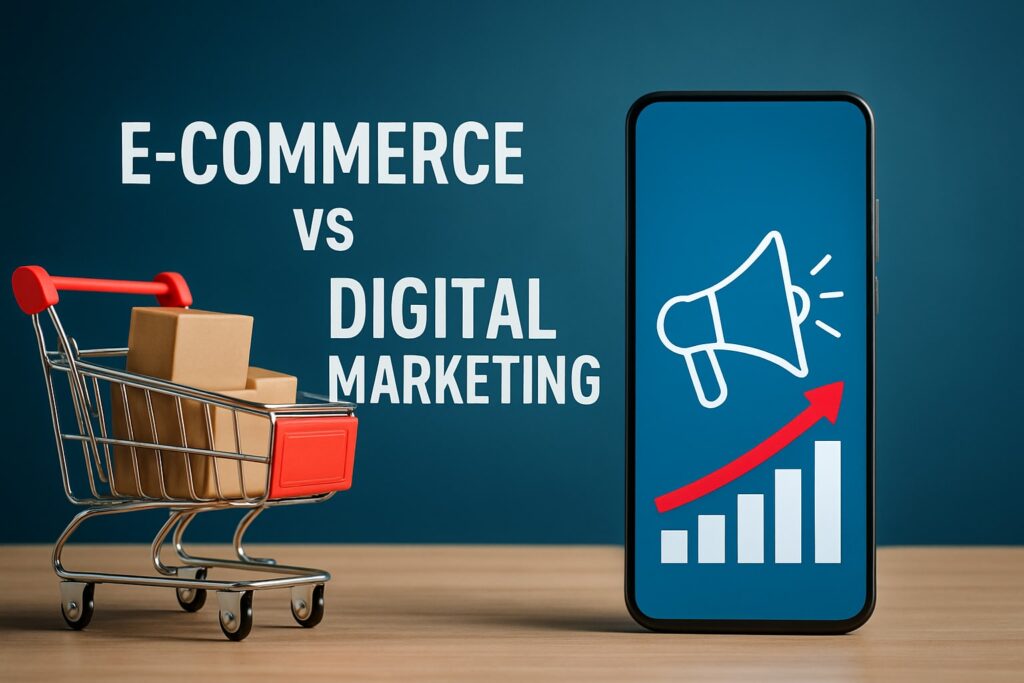
In the fast-evolving world of marine business, knowing the difference between e commerce vs digital marketing could mean the difference between smooth sailing and rough waters in 2026. Many marine business owners find themselves lost at sea when it comes to separating these two powerful online strategies. This article breaks down the real differences between e commerce vs digital marketing, specifically for marine industry businesses aiming for growth. We’ll define both, explore how they work together, and look at their unique benefits, challenges, and the latest trends. Expect actionable insights to help you boost online sales, maximize bookings, and get the most out of your marketing investment. Ready to discover how mastering both can transform your marine business?
What Is E-Commerce in the Marine Industry?
E-commerce is transforming how marine businesses operate, opening up new channels for growth. For those navigating the e commerce vs digital marketing debate, understanding the unique shape of e-commerce in the marine world is essential. Let’s break down what e-commerce really means for your business, what makes a strong platform, and how you can leverage these tools for measurable results.
Defining E-Commerce for Marine Businesses
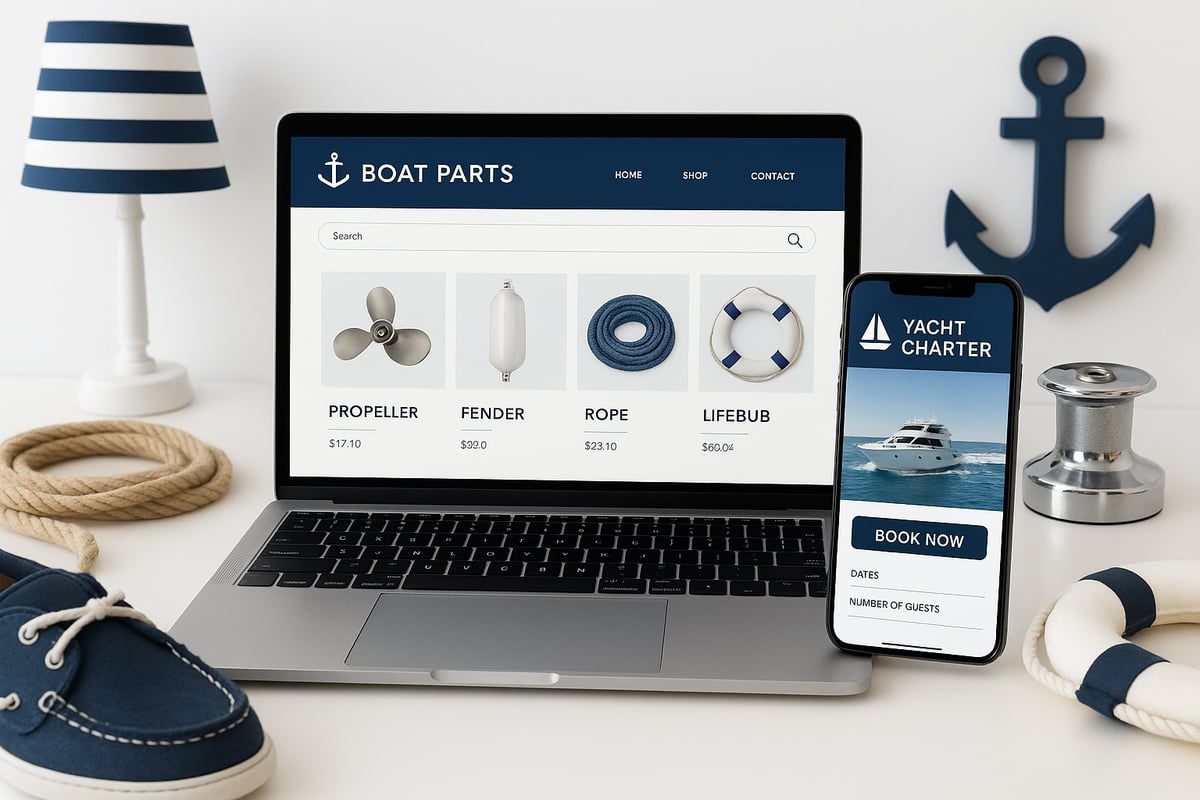
E-commerce in the marine industry is all about buying and selling products or services online, tailored for boating, yachting, and marina operations. Whether you run a boat parts retailer, a yacht charter service, or a marina offering slip reservations, your e-commerce platform is the digital shopfront where transactions happen.
It covers every business model: wholesalers supplying shipyards (B2B), charter companies serving vacationers (B2C), and even peer-to-peer boat rentals (C2C). Features like digital storefronts, product listings, secure payment gateways, and shipping logistics are standard. For example, some yacht charter sites now let customers browse, book, and pay for their trips entirely online.
When comparing e commerce vs digital marketing, think of e-commerce as the engine driving your revenue, while digital marketing fuels the traffic.
Key Components of E-Commerce Platforms
Building a robust marine e-commerce experience means integrating several critical components. Here’s what you’ll find in top-performing platforms:
- Detailed product or service catalogs featuring marine equipment, spares, or charters
- Shopping carts and secure checkout for seamless transactions
- Inventory management tools to track parts, gear, or booking slots
- Customer service options like live chat and ticketing
- Mobile optimization, making it easy for customers on the water or dockside
For instance, marine retailers often use Shopify or WooCommerce to power their online stores, providing a smooth experience from browsing to purchase.
In the e commerce vs digital marketing conversation, these features set the foundation, while marketing activities drive visitors into your sales funnel.
E-Commerce Success Metrics in 2026
Success in marine e-commerce is measured with data-driven precision. Key metrics include:
- Sales volume and revenue growth—think of a brand seeing a 52 percent sales jump in one year
- Conversion rate optimization, turning casual browsers into paying customers
- Average order value (AOV) and repeat purchase rates
- Cart abandonment and recovery strategies to win back lost sales
- Customer retention and loyalty program effectiveness
Understanding these numbers is vital. In the e commerce vs digital marketing equation, e-commerce metrics show how well your platform converts interest into actual revenue.
Benefits and Challenges for Marine Businesses
E-commerce offers marine businesses significant advantages. You’re open 24/7, able to reach buyers worldwide, and can tap into rich customer data for smarter decisions. Lower overhead and scalable operations are big pluses.
But challenges do exist. Shipping bulky marine equipment can be costly and complex. Returns, fraud prevention, and tech maintenance require constant attention. For example, international shipping of boat parts often involves customs hurdles and careful logistics planning.
Knowing the balance of benefits and challenges is key when weighing e commerce vs digital marketing strategies for your operation.
Evolving Trends in Marine E-Commerce for 2026
Looking ahead, marine e-commerce is set to ride a wave of innovation. Expect mobile-first shopping and instant booking apps to become standard. Augmented and virtual reality will enable virtual boat tours and immersive product demos. Artificial intelligence will drive personalized recommendations, while sustainability will shape product lines and shipping.
Niche marketplaces for used boat parts and specialty gear are also rising. For a deeper dive into what’s next, check out 7 E-Commerce Trends That Will Transform Shopping in 2026.
Staying ahead of these shifts is crucial in the e commerce vs digital marketing landscape, especially for marine businesses aiming for long-term growth.
What Is Digital Marketing for Marine Businesses?
Digital marketing is the engine behind every successful online marine business. In the ongoing debate of e commerce vs digital marketing, understanding this distinction is crucial. Digital marketing in the marine sector is all about using online channels to attract, engage, and convert boaters, yacht charter clients, marina guests, and marine equipment buyers.
It’s more than just running ads. It’s about building relationships, creating trust, and guiding marine customers from discovery to purchase. For example, a marina promoting its services with Google Ads, or a yacht charter company running Instagram stories to showcase dream destinations. In 2026, marine brands that master e commerce vs digital marketing will capture more bookings and sales than those that don’t.

Defining Digital Marketing in the Marine Sector
Digital marketing, for marine businesses, means using online strategies to reach boating enthusiasts, yacht charterers, and marine product buyers. It includes everything from search engine optimization to influencer partnerships. The goal is clear: drive targeted traffic to your e-commerce site or service page, and turn those visitors into loyal customers.
Unlike traditional advertising, digital marketing is data-driven and interactive. You can track every click, measure engagement, and refine your campaigns in real time. For a practical example, consider a marina using Google Ads to promote slip reservations during peak season. This approach directly connects the e commerce vs digital marketing conversation to real-world marine growth.
If you want a deeper dive, check out these Digital marketing and e-commerce strategies tailored for marine businesses.
Core Digital Marketing Channels & Tactics
The marine industry relies on a unique blend of digital channels to cut through the noise. Here’s where e commerce vs digital marketing gets interesting: the tactics that bring boaters to your site are not the same as those that close the sale.
Key channels include:
- SEO for marine-specific keywords like “boat rental Miami” or “yacht charter Greece.”
- PPC ads on Google and Meta platforms, targeting high-intent buyers.
- Social media marketing on Instagram, TikTok, and Facebook, where lifestyle and adventure content shine.
- Email marketing for booking reminders, promotions, or follow-ups.
- Content marketing, including blog posts, how-to guides, and engaging videos.
Each channel plays a role in the broader e commerce vs digital marketing ecosystem, ensuring your marine business is visible and compelling everywhere your audience looks.
Measuring Digital Marketing Success in 2026
How do you know if your digital marketing is working? In the marine industry, tracking the right metrics is everything. Website traffic is a starting point, but real success comes from engagement rates, click-throughs, and conversions.
Key performance indicators include:
- Website traffic growth month-over-month.
- Click-through rates (CTR) for ads and email campaigns.
- Cost per acquisition (CPA) and return on ad spend (ROAS).
- Lead generation and conversion rates from all channels.
For example, a marine surveyor who leverages targeted digital campaigns might see a 500% increase in qualified phone calls. These measurable results highlight why e commerce vs digital marketing is a conversation every marine business should have.
Benefits and Challenges for Marine Businesses
Digital marketing gives marine businesses a competitive edge. The benefits are clear: targeted reach, increased brand awareness, measurable ROI, and scalable campaigns that grow with your business.
But it’s not all smooth sailing. Challenges include high competition for popular marine keywords, constantly changing algorithms, ad fatigue, and compliance with privacy laws. For instance, staying visible in Google’s evolving local search landscape can be tough.
Still, those who invest in both e commerce vs digital marketing strategies—and adapt quickly—are better positioned for long-term growth.
Digital Marketing Trends Shaping 2026
Looking ahead, several trends will define digital marketing for marine businesses in 2026. AI-driven ad targeting and personalization will help brands reach boaters with the right message at the right time. Voice search optimization will become critical as more people ask their devices for “best marina near me.”
Video content, like virtual boat tours and how-to maintenance clips, will dominate social feeds. Influencer collaborations with trusted marine experts will build authenticity and trust. Finally, advanced analytics and cross-channel attribution will empower marine businesses to make smarter marketing decisions, maximizing every dollar spent.
E-Commerce vs Digital Marketing: Key Differences Explained
Core Purpose and Focus
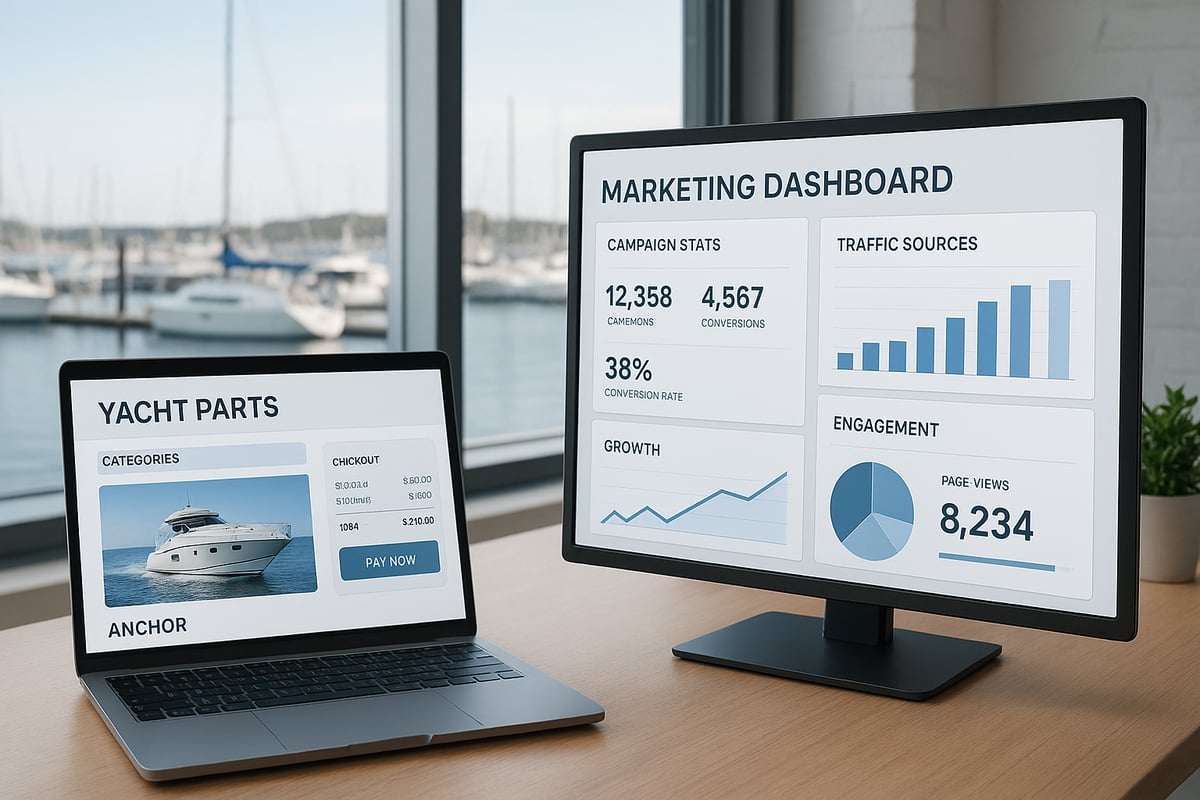
In the marine business world, understanding the core purpose behind e commerce vs digital marketing is crucial. E commerce is about enabling seamless online transactions—think booking a yacht charter or ordering marine electronics directly from a website. It is the engine room where the sale actually happens.
Digital marketing, on the other hand, is all about attracting, engaging, and nurturing potential customers. It is the set of strategies that put your marine business in front of boaters, yacht owners, and charter clients. If e commerce is the destination, digital marketing is the journey that gets people there.
Both have distinct goals, but together, they drive growth for marine businesses.
Essential Components Compared
When you break down e commerce vs digital marketing, their essential building blocks look quite different. Here is a quick comparison:
| Aspect | E-Commerce | Digital Marketing |
|---|---|---|
| Main Focus | Online storefront, checkout, inventory | SEO, PPC, social, email, content |
| Key Tools | Product listings, payment gateways | Analytics, ad platforms, automation |
| Customer Interaction | Live chat, order tracking, support | Blogs, ads, social engagement |
E commerce is about the nuts and bolts—making sure visitors can find products, check out, and receive support. Digital marketing focuses on visibility and outreach, using tactics like SEO and paid ads to drive marine customers to your site. Comparing e commerce vs digital marketing at this level reveals how each discipline handles different stages of the customer experience.
Success Metrics and KPIs
Measuring success is different in e commerce vs digital marketing, but both are vital for marine industry growth. E commerce teams track sales volume, conversion rates, average order value, and repeat purchases. These numbers show how well your site turns visitors into paying customers.
Digital marketing tracks traffic growth, engagement, click-through rates, cost per acquisition, and return on ad spend. These metrics reveal how effectively campaigns bring in potential boaters or buyers.
The best marine businesses monitor both sets of KPIs, using data to optimize strategies and maximize revenue. E commerce vs digital marketing metrics interconnect, painting a full picture of business health.
Customer Journey Touchpoints
The customer journey in e commerce vs digital marketing is a seamless progression when done right. Digital marketing covers the first stages: awareness, interest, and consideration. This is where marine-focused ads, social posts, and informative blogs attract attention and spark curiosity.
Once a potential customer is ready, e commerce takes over. Decision and purchase happen through streamlined checkouts, online bookings, and post-sale support like order tracking or live chat. Each touchpoint is critical.
When both functions align, marine businesses see higher bookings, better satisfaction, and more repeat customers. E commerce vs digital marketing integration is key to a smooth customer journey.
Interdependence and Overlap
In practice, e commerce vs digital marketing are deeply interconnected. E commerce platforms rely on digital marketing to drive qualified traffic—without it, even the best marine storefront sits empty. At the same time, digital marketing needs a robust e commerce portal to convert interest into actual sales or bookings.
A good example? PPC ads for a marina leading directly to an online slip reservation system. As the marine industry evolves, the overlap grows, especially with trends like AI-powered personalization and omnichannel campaigns. For a deeper dive into how these strategies are rapidly changing, check out the Key Trends in E-Commerce Marketing for 2026.
Ultimately, success in the marine sector means mastering both disciplines—ensuring your marketing brings people in and your e commerce platform closes the deal.
How E-Commerce and Digital Marketing Work Together in the Marine Industry
In the marine sector, the relationship between e commerce vs digital marketing is more than just complementary—it is critical for real business growth. Think of digital marketing as the wind in your sails, pulling in the right audience, while e commerce is the vessel that turns that momentum into profit.
Marine businesses that master both gain a direct route from online discovery to seamless transactions. This creates a customer journey that feels intuitive, fast, and rewarding.

The Synergy: From Attraction to Conversion
The real magic of e commerce vs digital marketing in marine businesses lies in their synergy. Digital marketing channels—like SEO, targeted ads, and social media—attract potential boaters, charter guests, and gear shoppers.
Once they land on your site, your e commerce platform takes the baton. It guides visitors to book a slip, buy marine parts, or reserve a charter. For example, a Facebook ad for a sailing school should link directly to a user friendly enrollment checkout. This handoff is where many marine businesses either win or lose the customer.
By aligning both functions, you ensure that every marketing dollar spent has a clear path to revenue. This is especially important as competition heats up and customer expectations rise.
Cross-Functional Strategies for Maximum Impact
To get the most from e commerce vs digital marketing, marine companies need unified strategies. Start by tracking data across all touchpoints using tools like Google Analytics and CRM platforms. This allows you to see exactly where leads come from and how they convert.
Retargeting plays a huge role. If someone browses your anchor inventory but leaves, an automated email or ad can nudge them back with a discount. Seasonal campaigns, like summer charter promos, can use both email and paid ads to create urgency.
- Track user behavior and conversions in one dashboard
- Launch retargeting ads for abandoned carts
- Coordinate marketing and sales calendars for maximum effect
With these tactics, you turn curiosity into bookings, and one time buyers into loyal customers.
Real-World Marine Business Scenarios
In practice, e commerce vs digital marketing strategies are shaping real results across the industry. Charter companies often use influencer partnerships to showcase their vessels, driving social media traffic straight to their online booking engines.
Marine parts retailers invest in SEO rich content that brings targeted visitors to product pages. Marinas combine local SEO and PPC ads to fill slip reservations during peak months. For a deeper dive into how these methods work together, see Yacht charter SEO best practices.
- Influencer campaigns boost charter bookings
- Blog content increases product sales
- Local search and paid ads drive marina occupancy
Every touchpoint is an opportunity to blend marketing with seamless online transactions.
Future Opportunities: 2026 and Beyond
Looking ahead, the intersection of e commerce vs digital marketing in the marine industry will only get sharper. AI powered personalization will deliver tailored product suggestions and dynamic pricing.
Chatbots will handle pre sale questions and instant bookings, freeing up staff for more complex tasks. An omnichannel approach—where social media, email, and web all connect smoothly—will be expected.
Data driven insights will guide decisions on inventory, ad spend, and customer service. Marine businesses that invest in this integration today will be the ones leading the fleet in 2026.
Skills, Roles, and Team Structures: Marine E-Commerce vs Digital Marketing
In the marine industry, building a high-performing team means understanding the unique skills and responsibilities that set e commerce vs digital marketing apart. Both disciplines are crucial, but the expertise needed for each can be surprisingly different—even when their goals overlap.
Distinct Skills Required for Each Discipline
When comparing e commerce vs digital marketing in the marine sector, skillsets can diverge quickly. E-commerce teams must master platform management, logistics, and customer service, plus financial planning for online sales of boat parts, charters, or marina slots.
On the digital marketing side, expertise in SEO, content creation, paid ads, analytics, and social media engagement is essential. Marketers need to know how to attract boating enthusiasts online, nurture leads, and build brand trust.
Cross-training is valuable. A marine business that encourages its staff to learn both e commerce vs digital marketing skills can adapt faster to changing trends and seize more growth opportunities.
Typical Roles and Responsibilities
Every marine business needs clear roles to maximize results in e commerce vs digital marketing. An e-commerce manager oversees day-to-day operations—think site updates, inventory, and order fulfillment. They keep the virtual doors open and ensure customers get their products or bookings without a hitch.
On the flip side, a digital marketing manager crafts campaigns, manages ad budgets, and tracks performance. Their job is to drive qualified traffic to the e-commerce site, ensuring the sales funnel stays full.
Collaboration is the secret ingredient. When both managers align their strategies, they can boost charter bookings, increase gear sales, and create a seamless journey for marine customers.
| Role | E-Commerce Focus | Digital Marketing Focus |
|---|---|---|
| Manager | Site ops, orders, logistics | Campaigns, ads, analytics |
| Support/Service | Customer inquiries, returns | Social engagement, feedback |
Shared Knowledge Areas and Overlapping Tasks
Despite their differences, e commerce vs digital marketing teams share several core responsibilities. Both must handle CRM data, segment customers, and ensure privacy compliance—especially with regulations like GDPR.
Analytics platforms, such as Google Analytics, are vital for both disciplines. Teams rely on data to refine strategies, track conversions, and understand what drives marine sales. Legal knowledge, from shipping rules to consumer rights, is also a shared necessity.
For actionable marketing tactics that benefit both teams, check out this SEO checklist for marine industry. It offers practical steps to improve visibility and customer acquisition, bridging the gap between marketing and e-commerce goals.
Training and Education Paths for Marine Professionals
Developing expertise in e commerce vs digital marketing requires targeted training. For e-commerce, marine professionals benefit from courses in business strategy, web design, and operational logistics. Understanding the nuances of online product management for marine gear or yacht charters is crucial.
Digital marketing specialists should focus on strategy, advertising, content production, and analytics. Industry-specific certifications—like those tailored for marine business growth—can set teams apart.
The future belongs to marine professionals who blend both e commerce vs digital marketing knowledge. Ongoing education and a willingness to adapt will keep your business at the forefront of the industry.
Key Trends Shaping E-Commerce and Digital Marketing in the Marine Industry (2026)
In 2026, marine businesses face a rapidly shifting digital landscape. Staying ahead means understanding how e commerce vs digital marketing trends are shaping the way marine brands connect with customers, drive sales, and build loyalty. Let’s break down the four trends steering the industry into the future.
AI and Automation in Operations and Marketing
AI and automation are transforming how marine businesses approach e commerce vs digital marketing. Think AI chatbots answering questions on a yacht charter site, or automated email campaigns nudging customers to complete bookings. Predictive analytics help forecast inventory needs, reducing costly overstock. Automated ad targeting ensures marketing dollars reach the right boaters at the right time. For a broader look at these changes, check out Top Digital Marketing Trends for 2026. Marine companies that embrace automation will see improved efficiency, smarter decision-making, and higher ROI.
Personalization and Customer Experience
Personalization is now a must-have for marine e commerce vs digital marketing strategies. Customers expect tailored product recommendations, like gear bundles matched to their boating style. Dynamic content adapts based on browsing behavior, creating a seamless journey from search to checkout. For instance, after a marina booking, personalized follow-up emails can upsell add-ons or offer maintenance packages. This level of customization not only boosts satisfaction but also increases conversion rates. The key is leveraging data responsibly to deliver value at every touchpoint.
Sustainability and Ethical Marketing
Eco-conscious boaters are pushing marine brands to spotlight sustainability in both e commerce vs digital marketing efforts. Businesses highlight eco-friendly products, transparent sourcing, and green shipping options. Ethical marketing campaigns focus on marine conservation, building trust with environmentally minded customers. Real-world examples? Brands are now promoting solar-powered accessories or biodegradable cleaning supplies. For more tailored insights, see 5 Marketing Trends in the Marine Industry for 2025. Aligning with these values isn’t just good ethics—it’s smart business.
Omnichannel Integration and Seamless User Journeys
A unified experience across all channels is the new gold standard for e commerce vs digital marketing in the marine sector. Customers might discover a boat show promo on Instagram, click to book a test ride online, and later receive a text reminder. This omnichannel approach ensures no one slips through the cracks. Features like click-to-book from social posts or QR codes at events drive seamless transitions from discovery to purchase. The result? Higher engagement, more bookings, and a stronger brand reputation.
Practical Examples: E-Commerce and Digital Marketing in Action for Marine Businesses
Bringing e commerce vs digital marketing to life in the marine industry means looking at what actually works on the waterfront. Let’s dive into a few standout case studies and lessons learned. These examples show how the smartest businesses blend online sales with digital outreach to drive real results.
Case Study: Boosting Yacht Charter Bookings with Integrated Strategies
In 2026, a leading yacht charter company set out to answer the question of e commerce vs digital marketing with a holistic approach. They ran targeted Google Ads, sending prospects straight to a sleek, mobile-first booking portal.
When visitors didn’t book right away, automated retargeting ads and email reminders nudged them back, highlighting special offers. This blend of tactics turned browsers into bookers, resulting in a staggering 63 percent jump in confirmed charters over just twelve months.
The key takeaway here? When e commerce vs digital marketing are aligned, the path from ad click to paid booking becomes seamless.
Case Study: Marine Retailer Growing Online Sales
A marine parts retailer wanted to stand out in a crowded field. Their strategy for e commerce vs digital marketing involved optimizing product pages for search, so boating enthusiasts could easily find high-demand parts.
On top of that, influencer partnerships amplified new product launches on Instagram and YouTube. Social media campaigns were timed with the start of boating season, driving surges in both traffic and sales.
Here’s what worked best: pairing detailed, SEO-rich listings with digital buzz. This approach to e commerce vs digital marketing made every online interaction a step closer to checkout.
Case Study: Local Marina Achieving Google Maps Dominance
A local marina faced stiff competition for slip reservations, so they focused on e commerce vs digital marketing at the community level. Their team invested in local SEO, making sure “marina near me” searches put them front and center.
They combined this with PPC ads targeting peak boating months, and encouraged happy customers to leave glowing reviews. To master local traffic, the marina followed best practices from Local SEO for marine businesses, ensuring a steady stream of online leads and walk-in bookings.
This example proves the value of location-based strategies in the e commerce vs digital marketing debate for marine brands.
Lessons Learned and Best Practices
Looking across these stories, a few lessons stand out in the e commerce vs digital marketing conversation. First, tight alignment between marketing and e commerce teams is critical. Regularly test and tweak your strategies—conversion rates can always improve.
Second, use data to inform every decision, from which ads to run to which products to stock. And finally, don’t be afraid to innovate. The marine businesses seeing the biggest gains are those that experiment and adapt as the digital tide shifts.
As you’ve seen, understanding the real differences between e commerce and digital marketing is crucial if you want your marine business to thrive in 2026. It’s not just about having a great online store or running ads—it’s about building a seamless engine that attracts the right customers and turns interest into bookings, season after season. If you’re ready to clarify your strategy and unlock more predictable growth, let’s talk about what’s possible for your business. You can Schedule a Free Strategy Call to get personalized insights tailored to your goals and challenges.