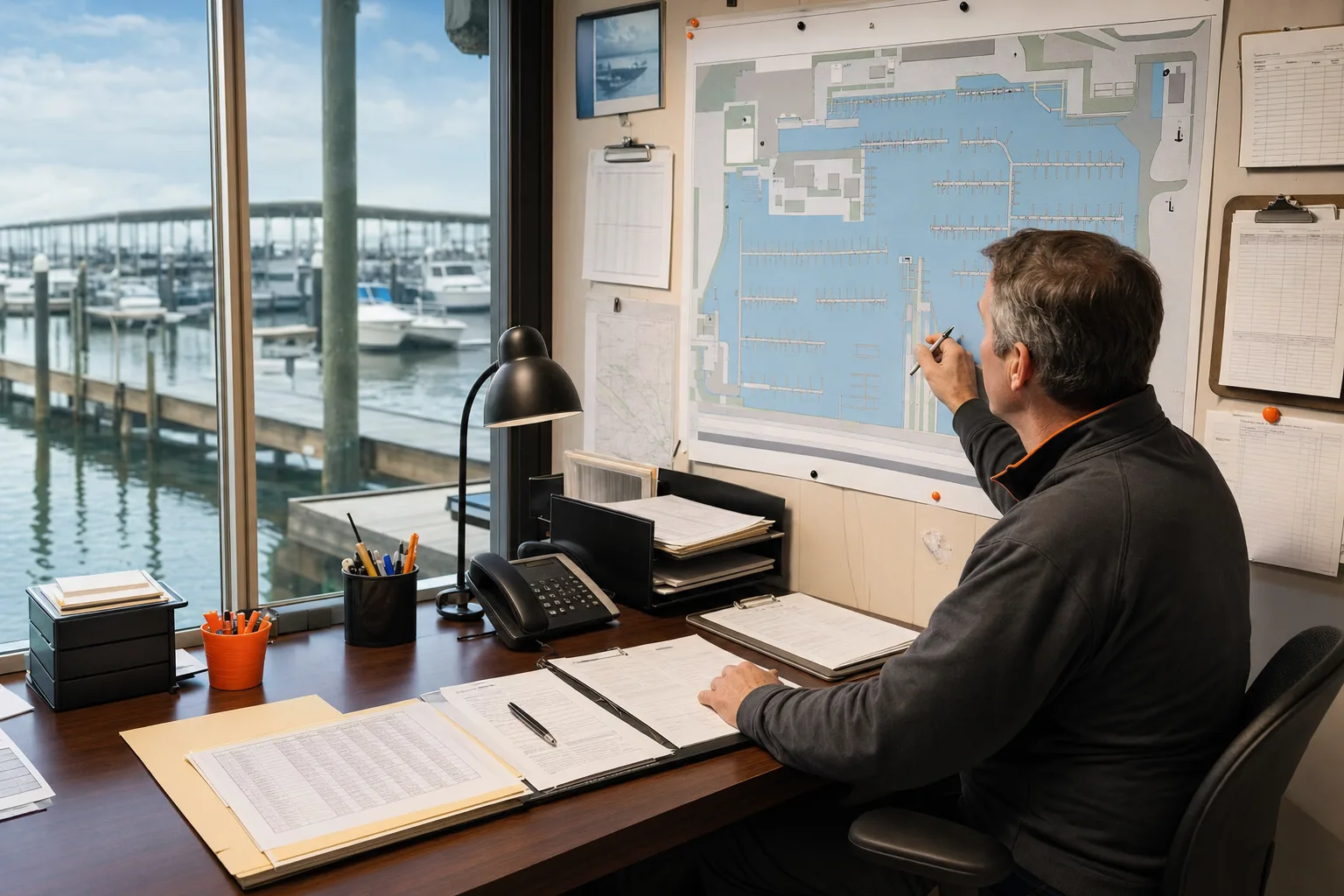

Picture this: warm sun, open water, and you at the helm of your own jet ski rental business in 2026. Many dream of escaping the nine-to-five for financial freedom and a lifestyle that blends fun with the outdoors. This guide is built for you. We’ll show you how to start a jet ski rental business, covering everything from market research and legal setup to sourcing equipment, operations, marketing, and growth strategies. The industry is booming, with small operators earning $50,000 to $200,000 or more each year. Ready for step-by-step clarity? Dive in and start planning today.
Understanding the Jet Ski Rental Industry in 2026
The jet ski rental industry is riding a wave of growth, fueled by changing travel habits and a booming demand for adventure on the water. If you’re wondering how to start a jet ski rental business, it’s crucial to get a feel for the market’s current landscape, the trends shaping its future, and the challenges you’ll need to navigate. Let’s break down what’s happening in 2026 and what it means for your business ambitions.
Market Trends and Growth Potential
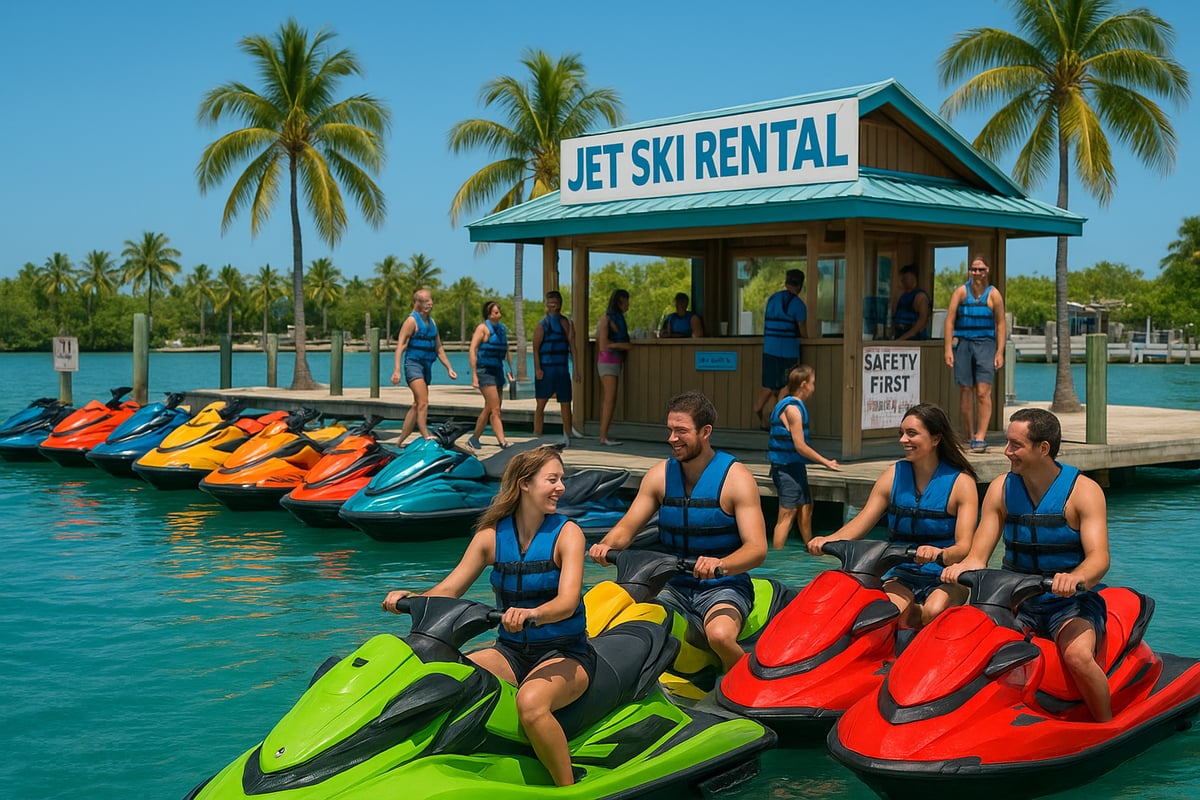
The jet ski rental industry is making big waves in the marine sector. Globally, the market for jet ski rentals has reached impressive heights, with the US leading the charge. In Florida alone, annual revenues for jet ski rentals are estimated in the tens of millions, making it a hotspot for marine entrepreneurs. If you’re researching how to start a jet ski rental business, you’ll quickly find that demand is being driven by Millennials and Gen Z. These groups crave memorable experiences, and nothing says adventure quite like a day on the water.
Social media platforms like Instagram and TikTok are accelerating this trend. Eye-catching videos and photos of jet ski rides are inspiring vacationers to try these activities themselves. This digital buzz translates directly into bookings, especially in tourist-heavy regions.
Warm climates offer another advantage: year-round revenue opportunities. Operators in places like Miami and Orlando can remain open all twelve months, while businesses in northern states may face seasonal limitations. Still, even in seasonal markets, peak months deliver a surge in bookings.
Let’s talk numbers. Small jet ski rental operations can bring in between $50,000 and $200,000 or more each year, depending on location, fleet size, and marketing strategy. Eco-friendly tourism is also shaping the industry, with more customers seeking guided tours and sustainable practices. Customers now expect online booking options, package deals, and even personalized experiences. For a closer look at current data and future projections, check out the Jet Ski Market Growth Statistics.
Advantages and Challenges of the Business
When you’re learning how to start a jet ski rental business, the advantages are hard to ignore. Rental rates often range from $60 to $100 per hour, and overhead costs are relatively low. You won’t need a large team—a small fleet can be managed with just two to five employees. This lean setup allows you to focus resources on customer experience, maintenance, and marketing.
There’s plenty of room for growth, too. Many successful operators expand by offering guided tours, partnering with hotels, or adding new watercraft like kayaks or paddleboards. The opportunity to diversify keeps things fresh and profits steady.
However, every business has its hurdles. Weather is a major factor. Hurricanes, storms, and even unexpected rain can disrupt operations and cash flow. Regulatory requirements are another consideration, as you’ll need to stay compliant with local, state, and federal rules. Liability risks mean insurance is a must, and safety protocols can’t be overlooked.
Seasonality can impact your bottom line, especially in areas with colder winters. That’s why contingency planning is key. Take Miami or Orlando, for example. Operators there leverage constant tourist traffic, prime waterfront locations, and smart partnerships to maintain consistent bookings, even when other regions experience slowdowns.
Understanding both the upsides and the obstacles is essential if you want to master how to start a jet ski rental business and build a sustainable operation.
Step 1: Research and Strategic Planning
Before you even think about buying your first jet ski, you need a game plan. Research and strategic planning form the bedrock for anyone figuring out how to start a jet ski rental business. This is where you define your edge, spot real opportunities, and set a course toward profitability.
Conduct In-Depth Market Research
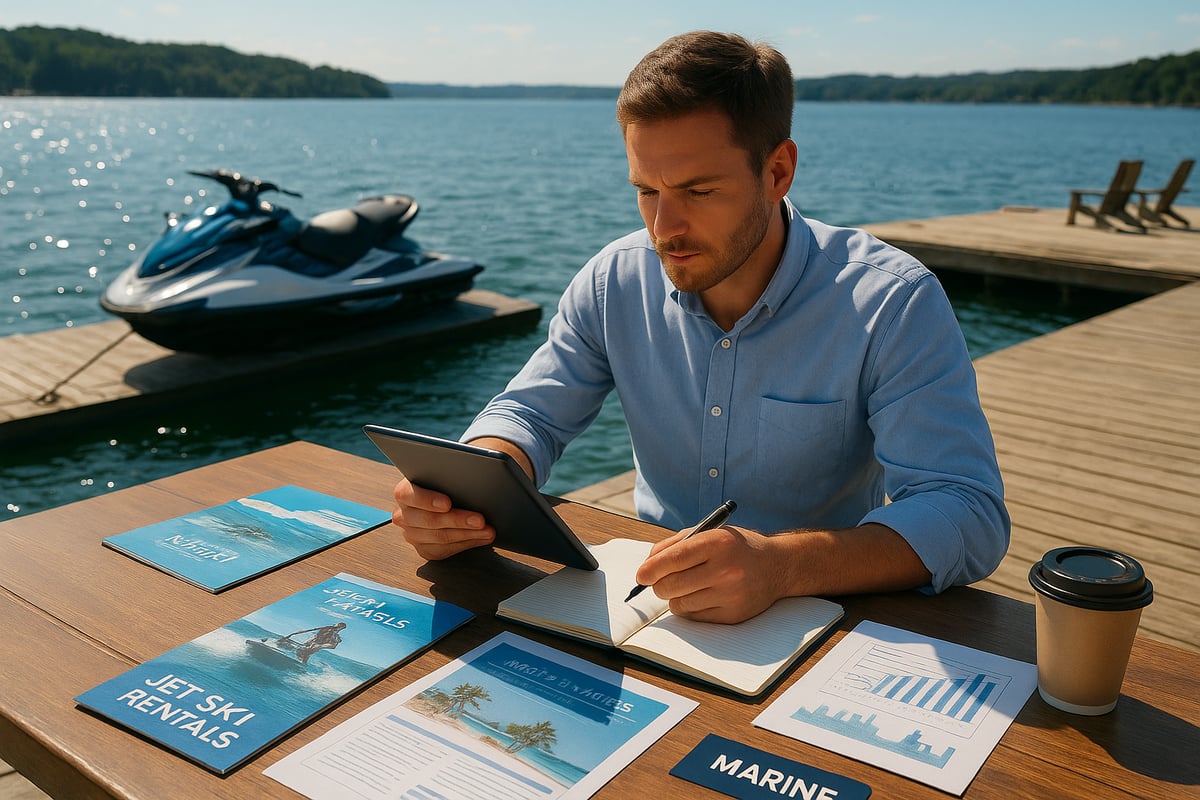
Solid market research answers the first big question: is there enough demand for your service? Begin by studying your local market. Are you in a bustling tourist hub like Miami, or a quieter lakeside town? For anyone exploring how to start a jet ski rental business, understanding your customer mix (tourists versus locals) is crucial.
Check out what competitors offer. What are their rental rates? Do they provide guided tours, eco-friendly options, or just basic rentals? Read reviews to see what customers love and what’s missing. This is where you’ll spot gaps—maybe no one’s offering premium experiences, or perhaps there’s a lack of online booking options.
Use real data to size up your opportunity. For example, Florida attracts more than 130 million visitors a year. That’s a huge potential customer base if you’re operating in the Sunshine State. But, don’t ignore seasonality. When are the peak months? What happens during off-season or rainy stretches? Build a calendar of high and low demand periods to plan cash flow and staffing.
Here’s a quick checklist for market research:
- Analyze tourist vs. local demand in your area
- Compare competitor services, prices, and reviews
- Identify gaps: eco-tours, high-end rentals, packages
- Gather tourism statistics for accurate projections
- Map out peak and off-peak seasons
If you want a deeper dive into foundational market research, check out this Jet ski rental business basics guide for more details.
The goal is to get a clear picture of your opportunity. By thoroughly researching how to start a jet ski rental business, you’re investing in fewer surprises and more success down the line.
Develop a Robust Business Plan
Once you’ve got your research, it’s time to craft a business plan that actually works. This is your blueprint for how to start a jet ski rental business and keep it running smoothly, even as you grow.
Start with your mission and vision. What do you want your company to stand for? Maybe it’s delivering the safest, most eco-friendly water adventures in your region. Define your core values—these will shape every decision you make.
Next, outline your business model. Will you offer hourly rentals, full-day packages, guided tours, or lessons? Consider bundling services, like family packages or sunset cruises, to stand out. Each option impacts your revenue streams and operational needs.
Set financial projections that reflect reality. List out startup costs: fleet purchase or lease, insurance, permits, marketing, and staff. Don’t forget ongoing expenses like maintenance, payroll, and fuel. Estimate your expected revenue, based on realistic booking rates and local market data.
Think scalability from the start. How will you add more jet skis, expand your team, or introduce new services as demand grows? Build marketing and growth strategies into your plan—like referral programs, partnerships with hotels, or social media campaigns.
Here’s a simple table to organize your business plan essentials:
| Plan Component | Key Details |
|---|---|
| Mission & Vision | Purpose, values, long-term goals |
| Business Model | Rentals, tours, packages, lessons |
| Financials | Startup/ongoing costs, revenue projections |
| Marketing Strategy | Customer acquisition & retention tactics |
| Scalability | Plans for expansion and diversification |
A strong business plan can help you secure investors or qualify for small business loans. It also guides your daily decisions as you navigate how to start a jet ski rental business. So, invest the time upfront—it’ll pay off in clarity, confidence, and measurable results.
Step 2: Legal, Regulatory, and Financial Foundations
Building a solid foundation is crucial for anyone learning how to start a jet ski rental business. The right legal setup, compliance, and financial systems can mean the difference between smooth sailing and choppy waters. Let’s break down the essentials every marine entrepreneur should master.
Choose the Right Legal Structure
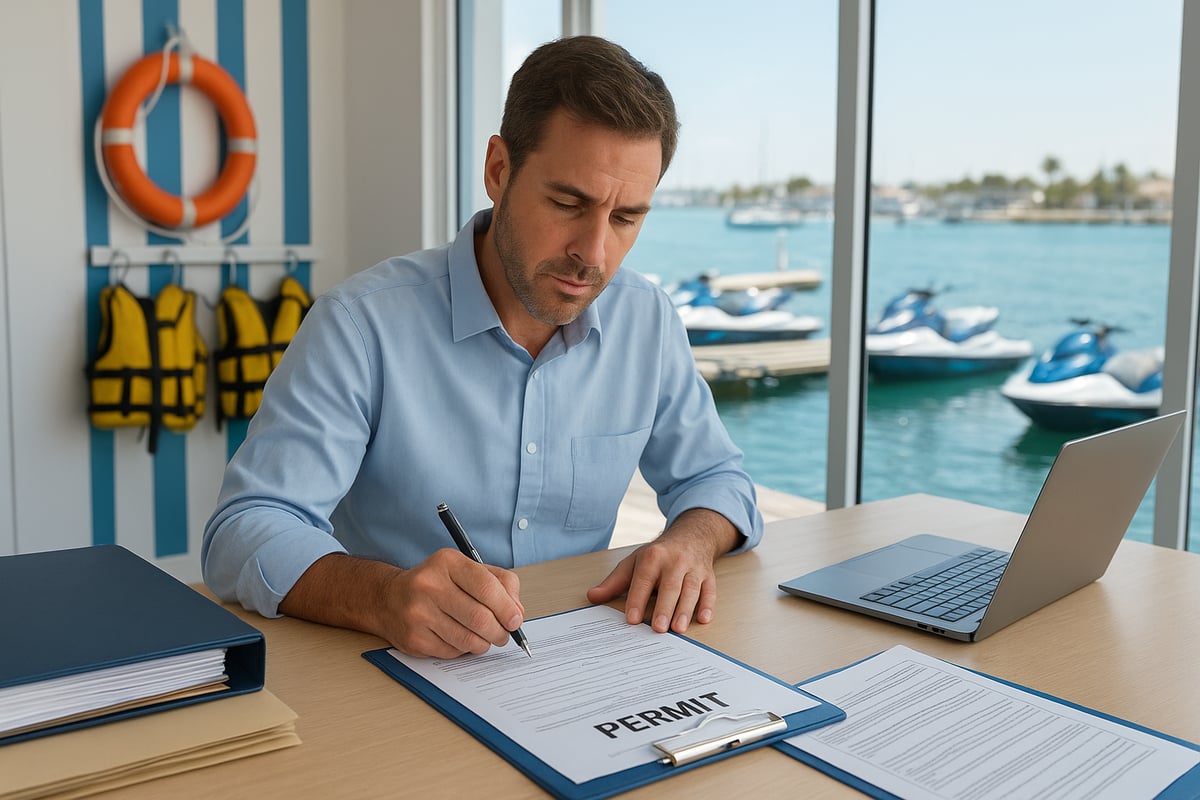
Choosing the right business structure is the first real step when figuring out how to start a jet ski rental business. Your decision affects liability, taxes, and credibility with clients and partners. Most marine businesses consider three main options: sole proprietorship, partnership, or a limited liability company (LLC).
| Structure | Liability Protection | Taxation | Ease of Setup | Best For |
|---|---|---|---|---|
| Sole Proprietorship | None | Personal | Easiest | Solo operators |
| Partnership | Limited | Personal | Easy | Two or more founders |
| LLC | Strong | Flexible | Moderate | Growth-focused startups |
For most jet ski rental owners, an LLC is the go-to. It shields your personal assets from business risks, which is especially important in the marine industry.
Next, select a unique business name. Check state databases and domain availability to secure your brand online. Register your business with the state, then apply for an Employer Identification Number (EIN) through the IRS. This is needed for taxes and hiring staff. Finally, register for state sales tax permits if your location requires them.
Secure Permits, Licenses, and Insurance
Regulations are strict in marine rentals, so understanding how to start a jet ski rental business means navigating local, state, and sometimes federal laws. You’ll need a business license, plus permits specific to watercraft rentals. Some states require a marina or dock permit too.
Safety is a top priority. All operators typically need boating safety certifications. In Florida, compliance with the Fish and Wildlife Conservation Commission (FWC) is mandatory. Requirements may include staff training, minimum age limits, and equipment checks. For a detailed breakdown of Florida’s legal requirements, including mandatory training and safety protocols, see Florida Jet Ski Rental Regulations.
Don’t overlook insurance. At a minimum, you’ll want general liability, property, and worker’s compensation coverage. If you offer transport, consider commercial auto insurance as well. This step is not just about compliance—it’s about protecting your investment and your customers.
Set Up Business Banking and Financial Systems
Financial clarity is non-negotiable when you’re figuring out how to start a jet ski rental business. Open a dedicated business bank account to keep personal and company finances separate. This makes tax time easier and projects a professional image to lenders and partners.
Choose accounting software tailored for small businesses in the marine sector, or hire a bookkeeper if numbers aren’t your strength. Track all income, expenses, and payroll meticulously. Plan for recurring costs: equipment maintenance, insurance premiums, payroll, and marketing.
Here’s a quick checklist for financial setup:
- Open a business checking account
- Set up accounting software or hire a bookkeeper
- Create a budget for initial and monthly expenses
- Monitor cash flow and set aside funds for emergencies
Getting these systems in place from day one will help you scale, comply with regulations, and focus on delivering unforgettable experiences on the water.
Step 3: Sourcing Equipment and Setting Up Operations
Getting your operation off the ground means making smart choices about equipment, infrastructure, and staffing. If you’re researching how to start a jet ski rental business, this is where your vision becomes reality. Let’s break down each key element, step by step.
Purchasing or Leasing Jet Skis
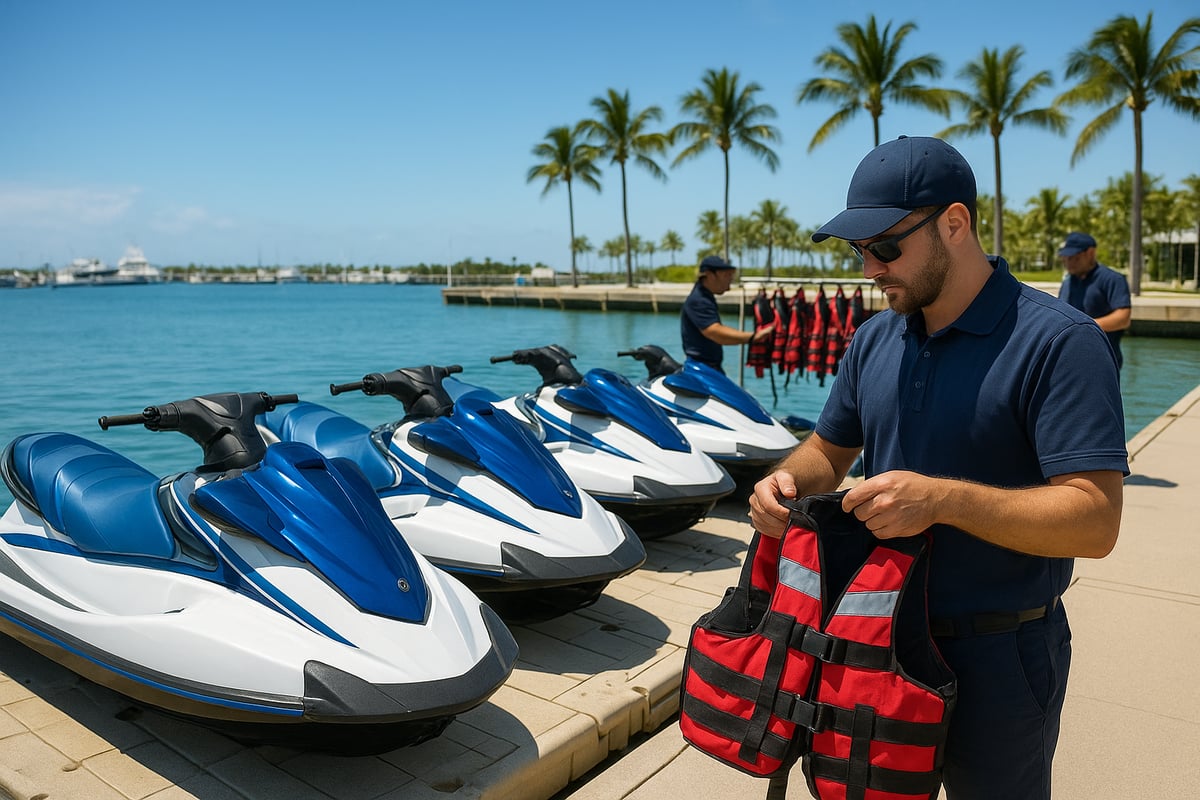
The foundation of how to start a jet ski rental business lies in choosing the right fleet. You’ll need to decide whether to buy or lease jet skis. Purchasing new models costs between $8,000 and $15,000 each, offering reliability, modern features, and longer warranties. Used jet skis can save you money upfront, but watch for higher maintenance costs and shorter lifespans.
Leasing is an alternative that reduces initial capital requirements, though you’ll likely pay more over time. Most new operators begin with three to five jet skis, totaling a $25,000 to $40,000 investment. Popular brands like Yamaha, Sea-Doo, and Kawasaki offer models known for durability and safety.
Consider fuel efficiency, ease of maintenance, and resale value. For a deeper dive into fleet selection and operational setup, check out this Jet Ski Rental Business Guide. Choosing the right path here is crucial to how to start a jet ski rental business successfully.
Essential Equipment and Infrastructure
Every successful jet ski operation needs more than just watercraft. Your checklist should include Coast Guard-approved life jackets in various sizes, waterproof radios, GPS trackers, emergency kits, and fire extinguishers. These aren’t just for compliance—they’re vital for safety and customer confidence.
Next, think about logistics. You’ll need trailers for transporting jet skis, secure dock access or marina slips, and storage solutions for off-hours. Branding matters, too: invest in visible signage, branded staff uniforms, and professional business cards. All these components combine to build a safe, trustworthy environment—a core consideration in how to start a jet ski rental business.
Maintenance and Inventory Management
Staying operational means keeping your fleet in top shape. Set up a routine maintenance schedule—oil changes, hull inspections, and safety checks should happen regularly. Well-maintained equipment not only extends the life of your jet skis but also minimizes liability and downtime.
Inventory management is another cornerstone of how to start a jet ski rental business. Use digital tools to track each unit’s usage, maintenance history, and booking status. Many rental businesses implement digital check-in and check-out systems for efficiency and accuracy. Keeping detailed records ensures you’re always ready for peak season and helps you spot issues before they become costly.
Staffing and Training
Even a small fleet requires a reliable team. Most operators start with two to five employees, depending on business volume and hours. When considering how to start a jet ski rental business, prioritize hiring staff with strong customer service skills and a passion for water safety.
Training should cover everything from equipment operation to emergency procedures. Require staff to complete boating safety certifications and provide ongoing development as regulations or technology evolve. Well-trained employees are your front line, ensuring smooth operations and positive guest experiences.
Step 4: Location Selection and Setup
When thinking about how to start a jet ski rental business, your location is the backbone of your operation. The right spot can mean steady bookings, happy customers, and a healthy bottom line. The wrong one, well, it could leave your jet skis gathering dust while competitors thrive just down the waterway.
Let's break down what makes or breaks a jet ski rental location and how to set up a facility that's both welcoming and efficient.
Choosing the Ideal Location
Proximity to busy waterways is the number one rule when considering how to start a jet ski rental business. Think beaches, lakes, marinas, and resorts. These spots attract tourists and locals looking for adventure, which means more eyes on your fleet and, ideally, more bookings.
But it's not just about the water. You want a location with:
- High foot traffic from tourists and locals
- Ample parking for easy access
- Clear signage and visibility from main roads or boardwalks
- Accessibility for loading and unloading jet skis safely
Zoning laws and waterfront restrictions are also critical. Before you sign a lease, check that commercial watercraft rentals are allowed. Some areas require special permits or limit the number of operators in a zone. Prime waterfront spots come at a premium, but sometimes a less obvious location with strong partnerships or shuttle service can work just as well.
Operators in places like the Florida Keys and Miami Beach have mastered this. They leverage tourist-heavy zones and often collaborate with hotels or marinas to boost their visibility. For even more local reach, investing in local SEO for marine businesses can help your rental stand out when customers search nearby.
Setting Up Your Facility
Once you've picked your spot, the next step in how to start a jet ski rental business is creating a facility that feels both professional and approachable. A well-designed rental kiosk or office should be easy to find and inviting. Use branded flags, banners, and uniforms to project a polished image.
You'll need secure storage for your jet skis and all essential gear. Think about weather protection and theft prevention. Safety signage is non-negotiable: post clear instructions on rental policies, emergency contacts, and basic water safety rules.
Streamline your rental process with digital check-in systems and online booking platforms. This not only speeds up transactions but also meets the expectations of modern customers who want convenience. A simple, organized space with clear instructions helps build trust and makes for a smoother customer journey.
Every detail, from the way your jet skis are displayed to how you handle bookings, shapes your reputation. When your facility is well set up, it lays the groundwork for efficient operations and repeat business.
Step 5: Marketing, Branding, and Customer Acquisition
Launching a jet ski rental company is more than just buying equipment and finding a dock. If you want to master how to start a jet ski rental business, you need a marketing plan that puts your brand in front of the right people, in the right places, at the right time. Customers today expect more than just a ride—they want an experience worth sharing.
Building a Standout Brand
Your brand is the first thing customers notice. When considering how to start a jet ski rental business, think beyond the basics—choose a memorable business name, design a logo that pops, and develop a visual style that stands out against competitors. Uniforms for your staff and cohesive signage create a professional vibe that builds trust at first glance.
A strong brand isn’t just about looks. Define what makes your business different. Are you the only operator offering guided eco-tours? Do you use the latest models for a luxury feel? These unique selling points should shine through in all your marketing. Create branded materials like business cards and flyers so your messaging is consistent everywhere.
Digital Presence and Online Bookings
Today, the first place people look for fun activities is online. That’s why, when learning how to start a jet ski rental business, your website matters—big time. Build a mobile-optimized site with real-time booking, clear pricing, and stunning photos of your fleet and happy customers. Make it easy for guests to reserve their ride in just a few taps.
List your business on Google Maps, TripAdvisor, Yelp, and local tourism sites. High-quality visuals and engaging descriptions boost your credibility. For more on business model options and digital best practices, check out this kayak rental business model guide. It’s packed with advice that translates well to jet ski rentals.
Leveraging Social Media and Influencers
Social media is where your future customers hang out. If you’re serious about how to start a jet ski rental business, get active on Instagram, TikTok, and Facebook. Share short videos of guests having a blast, scenic water shots, and behind-the-scenes peeks. Run contests or hashtag campaigns to encourage guests to tag your brand.
Collaborate with local influencers or travel bloggers to reach new audiences. A viral TikTok or a glowing Instagram story can fill your booking calendar fast. Don’t underestimate the power of user-generated content—encourage guests to share their experiences and tag your business for organic reach.
Local Partnerships and Offline Marketing
Offline, partnerships drive real growth. As you build how to start a jet ski rental business, connect with hotels, resorts, and marinas for referral deals. Offer group packages, holiday specials, and loyalty discounts to attract repeat business. Hand out flyers at local events and sponsor community activities to get your name out there.
Consider bundling jet ski rentals with other water activities or local tours. This not only increases revenue but also sets your business apart from competitors. Networking with other marine operators can open doors to cross-promotions and shared customer bases.
Managing Reviews and Customer Experience
Reputation is everything in this business. Encourage every satisfied customer to leave a review on Google or TripAdvisor. It’s one of the most effective ways to build trust, especially for those researching how to start a jet ski rental business. Respond to all feedback—thank guests for positive comments and address any concerns promptly and professionally.
Follow up with customers via email or text to thank them and offer discounts for future rentals. A little extra attention goes a long way in turning first-timers into loyal fans. Remember, every review and every interaction shapes your business’s public image.
Step 6: Operations, Safety, and Scaling for Growth
Running a successful jet ski rental operation is about more than just handing over the keys and hoping for the best. It takes systems, attention to detail, and a forward-thinking mindset. If you're researching how to start a jet ski rental business, this is where you move from planning to real-world execution.
Streamlining Daily Operations
Efficiency keeps your business smooth and your customers happy. Standardize your rental procedures, from check-in to equipment inspection. Use digital waivers and contracts so clients can sign quickly, reducing paperwork and confusion. Scheduling staff shifts and managing bookings with software helps you avoid overbooking or short-staffed days.
For anyone learning how to start a jet ski rental business, creating a clear workflow is essential. Simple steps—like prepping safety gear before each rental and logging equipment status—save time and prevent headaches. The goal is to make every day run like clockwork, even during your busiest weekends.
Ensuring Safety and Compliance
Safety is non-negotiable in the jet ski rental world. Always provide mandatory safety equipment and walk customers through operational instructions before they hit the water. Stay current with local boating laws, including age limits and environmental protections.
If you're operating in Florida or a similar market, you must understand the Florida Boating License Requirements for both renters and staff. Regular safety drills, equipment checks, and ongoing staff training are vital. If you want to know how to start a jet ski rental business that lasts, make compliance and customer safety your top priorities.
Managing Seasonality and Weather Risks
Weather is always a factor, especially in coastal regions. Develop contingency plans for storms or sudden closures, and make sure your team knows the protocol. Consider offering off-season promotions or branching into other water activities, like paddleboard or kayak rentals, to keep income steady.
Entrepreneurs investigating how to start a jet ski rental business need to think about seasonality from day one. In places like Florida, you may run year-round, but in northern markets, plan for winter downtime. Flexibility and creative thinking will keep your cash flow healthy, no matter the season.
Planning for Expansion and Diversification
Growth is the name of the game for any ambitious operator. Monitor your financial performance and customer feedback to spot opportunities. Maybe it’s time to add more jet skis, launch guided eco-tours, or expand to a new location.
If you're serious about how to start a jet ski rental business and scale it, track your data and adjust your services to meet demand. Diversifying into related offerings keeps your brand fresh and your revenue streams strong. Stay agile, keep learning, and position your marine business for long-term success.
Now that you have a clear roadmap for launching a successful jet ski rental business in 2026, the next step is putting your plan into action with confidence. From understanding market trends to building a standout brand and mastering digital marketing, you’ve seen what it takes to stand out and thrive year round. If you’re ready to accelerate your growth, gain expert insights tailored to your goals, and ensure your business stays fully booked, let’s connect. You don’t have to do this alone—schedule a complimentary call with our marine industry specialists to get personalized guidance for your journey.
Schedule a Free Strategy Call