
Aquatic SEO helps established, multi-vessel yacht charter companies generate a consistent flow of qualified booking inquiries using the Marine Demand Control System.
This is built for operators who care about:
Filling the calendar with the right trips (not just more inquiries)
Protecting crew scheduling and dispatch
Increasing average booking value
Reducing last-minute gaps and weekday softness
When you run multiple boats, “more leads” isn’t the goal. Controlled demand is.
Uncontrolled inbound creates predictable problems:
Too many low-intent shoppers and “just checking prices” calls
Wrong trip types (you sell private charters; they want a shared tour)
Wrong group sizes, wrong pickup locations, unrealistic timelines
High inquiry volume that overwhelms the office and slows response time
Weekend sellouts but weak weekday utilization
The Marine Demand Control System is designed to increase bookings and reduce operational noise.
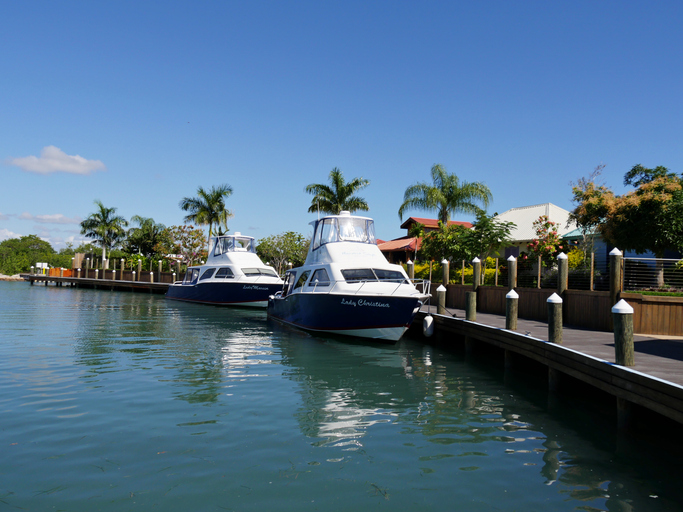
Operate multiple vessels (or have a fleet plan) and need stable utilization
Offer clear charter products (private, captained, bareboat, events, term, etc.)
Can respond quickly to inquiries (same-day during the week)
Want to increase booking quality, not just inquiry count
Care about tracking and accountability tied to qualified inquiries
:
Want volume without qualification
Can’t respond consistently to inbound inquiries
Don’t have clear trip boundaries (pricing, minimum hours, pickup area)
Want marketing that looks good but can’t be measured
We start with Google Search because it captures demand at the moment it exists—when someone is actively trying to book.
We build campaigns around:
High-intent charter keywords (not generic “things to do” traffic)
Tight geo targeting around your pickup area and core feeder markets
Call-first routing when speed matters
Outcome: more inquiries from people ready to book.
Charter demand is only valuable if it matches your operation.
We filter for fit using:
Clear trip-type segmentation (private charter vs tours, day vs term, events, etc.)
Minimum hour / minimum spend positioning (where appropriate)
Group size and occasion cues (corporate, bachelor/ette, family, proposals)
Landing pages that answer the real booking questions up front
Outcome: fewer time-wasters and a higher close rate.
We don’t report vanity metrics. We track what matters:
Calls (with tracking and recordings)
Forms (with required fields and qualification rules)
Weekly reporting tied to qualified booking inquiries
A qualified inquiry definition is agreed in writing so performance is measurable and dispute-proof.
Once you have predictable demand, we build durability:
Local SEO to win map visibility for “yacht charter near me” and similar intent
Charter product pages that match how people actually search (private, sunset, corporate, bachelorette, etc.)
Authority content that reduces friction and improves conversion (what’s included, gratuity, weather policy, pickup locations, what to bring)
Outcome: lower blended cost per booking and stronger brand preference over time.
We prioritize
High-intent private charter bookings
Repeatable trip products with clear inclusions
Higher-value occasions and groups that match your vessels
Bookings that fit your pickup logistics and crew schedule
We filter out
Low-intent “price only” inquiries with no trip details
Requests outside your pickup area or operating waters
Mismatched trip types (shared tour requests, unrealistic itineraries)
Last-minute requests you can’t operationally fulfill (if you choose)

If you want more control over bookings—and fewer wrong-fit inquiries—schedule a strategy call. We’ll tell you quickly whether Demand Control fits your operation and what the first 30–90 days would look like.
If we’re running PPC-first capture, you can typically see inbound activity quickly once campaigns are live. SEO and authority building are longer-cycle, but they’re what stabilize demand and reduce paid dependency over time.
No. We handle the build and management. What we do need is operational alignment: quick response, clear trip boundaries, and tracking compliance.
PPC is the fastest path to predictable inbound because it captures existing demand immediately. SEO is how you compound results over time and reduce reliance on paid traffic. Most multi-vessel operators benefit from both, sequenced correctly.
Pricing depends on your market, seasonality, and how aggressive the demand targets need to be. After a strategy call, we’ll recommend the right plan based on your fleet, booking goals, and competitive landscape.
Aquatic SEO is a growth partner for marine industry businesses. We offer a system install that focuses on bringing you the right clients and more control over your schedule, not just more site traffic.