The marine industry is rapidly evolving as digital technology reshapes how businesses connect with customers. Companies that prioritize web marketing for marine industry needs are gaining a distinct advantage over their competitors.
This practical guide delivers the latest strategies to help marine businesses succeed online in 2025. Discover essential trends, proven tactics, and step-by-step methods for building visibility, generating quality leads, and boosting bookings.
Are you ready to harness the power of digital tools and stay ahead in a changing market? Explore this comprehensive roadmap and unlock new growth opportunities for your marine business.
Understanding the Marine Industry Digital Landscape in 2025
The landscape of web marketing for marine industry businesses is shifting rapidly as digital technology transforms customer habits and competitive dynamics. Staying ahead means understanding how these changes impact every touchpoint, from discovery to booking.
Evolving Customer Behaviors and Expectations
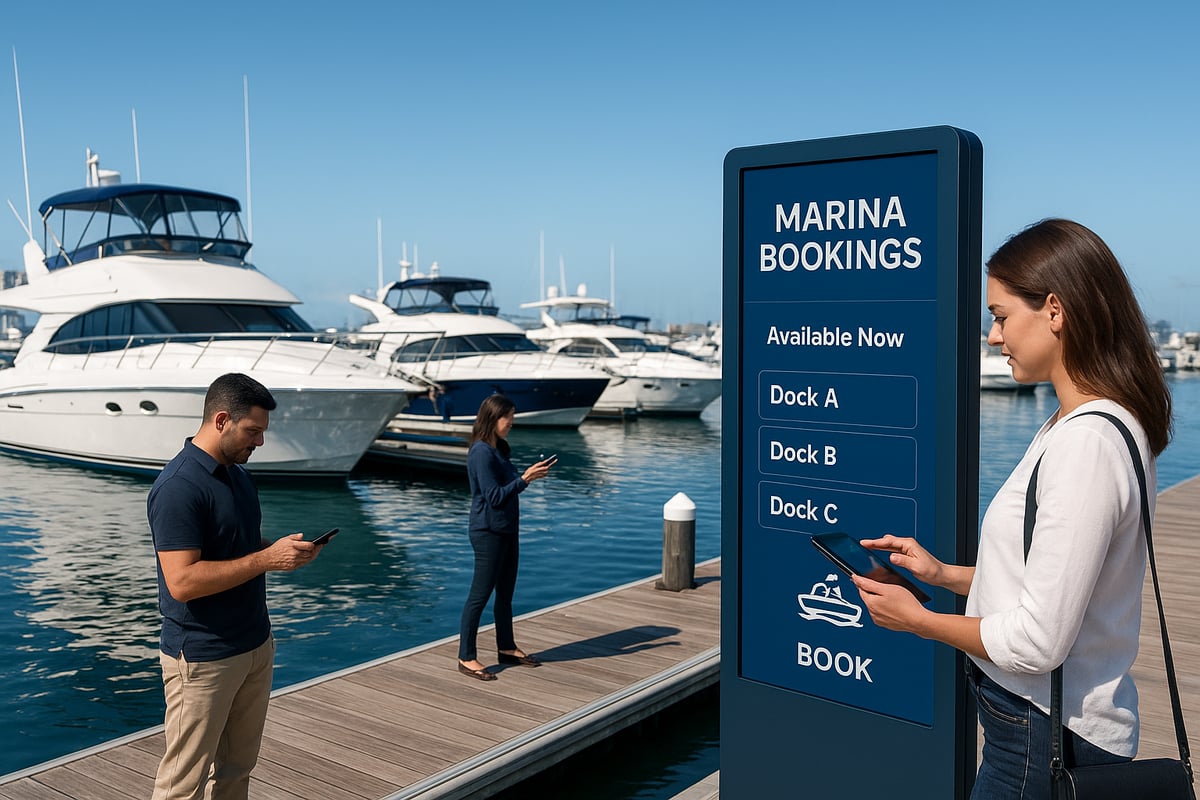
Marine customers in 2025 expect seamless digital experiences at every stage. The rise of mobile-first searches and voice assistants has made it easier for users to find marine services instantly. More customers now demand transparent pricing, real-time availability, and fast digital booking processes.
For example, 68% of boat rental inquiries originate from mobile devices, reflecting a clear shift in behavior. This change underscores why web marketing for marine industry businesses must prioritize responsive design and instant information. Meeting these evolving expectations is essential for capturing leads and building trust.
Key Digital Trends Impacting the Marine Sector
Digital trends are rapidly reshaping the marine industry. Online marketplaces for charters, rentals, and marine products are expanding, offering broader reach and convenience. Virtual tours, drone photography, and immersive video content are becoming standard, giving prospects a richer preview of services.
Social media platforms now heavily influence purchasing decisions, with users relying on reviews and shared experiences. According to Marketing in the Marine Industry Statistics, consumer preference for visual and interactive content continues to rise. Embracing these trends is critical for effective web marketing for marine industry leaders.
Competitive Analysis: Leading Marine Businesses Online
Top-performing marine businesses are setting new benchmarks for digital excellence. Yacht charter companies with integrated online booking systems achieve conversion rates up to 40% higher than those without. These leaders invest in user-friendly websites, clear service menus, and persuasive calls to action.
A review of top-ranking marine sites reveals a consistent focus on high-quality visuals, transparent pricing, and streamlined booking. Adopting these web marketing for marine industry tactics can position your business as a market leader, attracting more qualified leads and bookings.
Regulatory and Privacy Considerations
Navigating data privacy is more important than ever for marine businesses. Regulations like GDPR and CCPA now dictate how customer data must be collected, stored, and used. Compliance is essential not only to avoid penalties but also to build customer trust.
Key steps for compliance include transparent privacy policies, clear consent mechanisms for email marketing, and secure handling of booking information. Staying current with evolving regulations is a vital part of web marketing for marine industry organizations.
Challenges Unique to the Marine Industry
The marine sector faces several unique digital challenges. Seasonality and weather dependencies can create unpredictable demand patterns. Regional competition and niche audiences make it harder to scale traditional campaigns.
Additionally, long sales cycles for high-value marine products require sustained engagement. Effective web marketing for marine industry businesses means addressing these challenges with adaptive strategies, such as dynamic content updates and targeted regional promotions.
Opportunities for Growth
Despite these hurdles, substantial growth opportunities exist. Local SEO remains underutilized by many marinas and service providers. Optimizing for location-based searches can drive significant increases in qualified traffic and bookings.
Sustainability is another powerful differentiator. Highlighting eco-friendly practices in digital messaging appeals to a growing segment of environmentally conscious consumers. By leveraging these opportunities, web marketing for marine industry brands can achieve measurable growth.
The Cost of Inaction
Failing to adapt to the digital landscape carries real risks. According to recent surveys, 72% of marine businesses without a defined digital strategy report stagnant or declining bookings. The cost of inaction is clear: falling behind means missing out on new customers, revenue, and market share.
Investing in web marketing for marine industry companies is no longer optional. It is a necessity for survival and growth as digital adoption accelerates across the sector.
Building a High-Impact Marine Industry Website
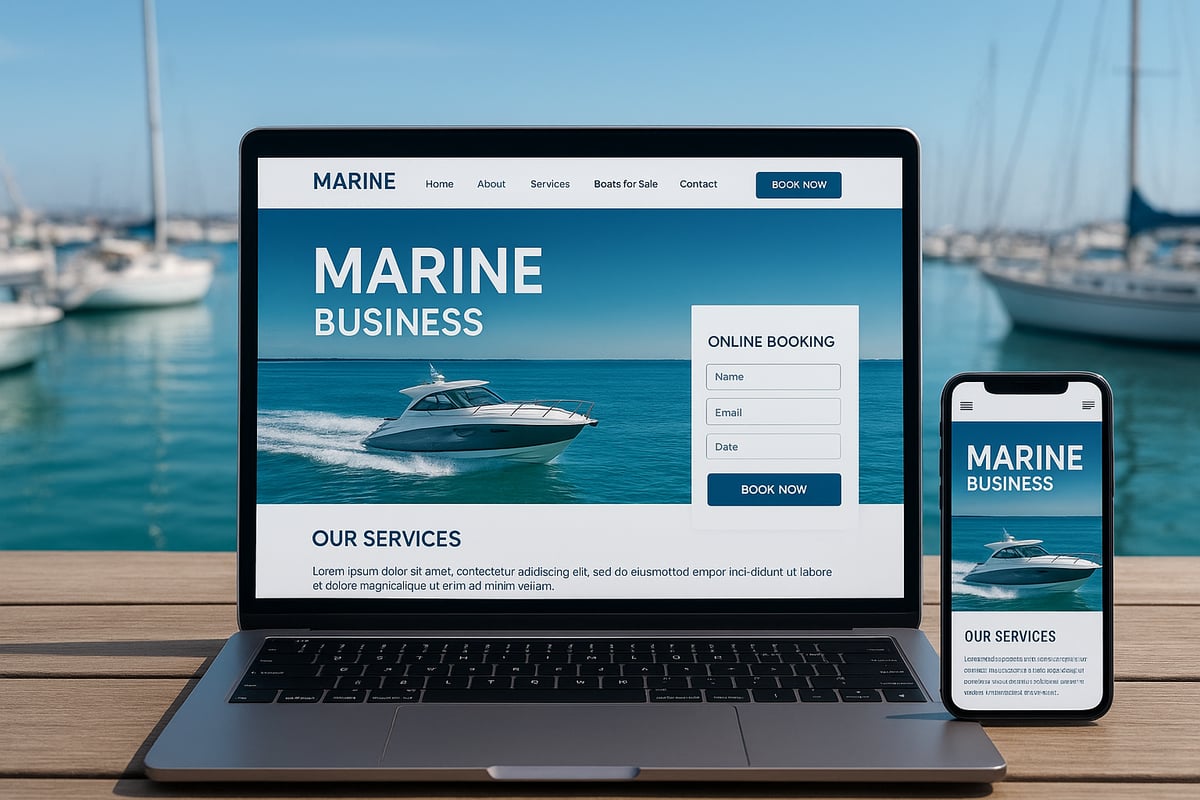
A strong website is the cornerstone of web marketing for marine industry businesses. Customers expect a seamless digital experience when browsing, booking, or learning about marine services. Building a site that meets these demands is critical for growth and customer trust.
Essential Website Features for Marine Businesses
Every marine business website should prioritize mobile responsiveness, as the majority of customers now search and book from their phones. Fast load times and intuitive navigation are essential, ensuring visitors can access key services and information without delay.
Integrating online booking forms, detailed inventory listings, and up-to-date service menus simplifies the customer journey. These features enable businesses to capture leads and bookings efficiently, which is fundamental for effective web marketing for marine industry companies.
- Mobile-first design
- Clear contact and booking calls-to-action
- Easy-to-navigate service and product pages
Content That Converts: What Marine Customers Want to See
High quality imagery, including photos and virtual tours, helps marine businesses stand out. Prospective clients want to visualize boats, marinas, and services before making a decision. Including customer testimonials builds trust and credibility.
Detailed service descriptions and transparent pricing address the need for instant information, a key trend in web marketing for marine industry brands. An FAQ section can resolve common questions and reduce barriers to booking.
- Virtual tours and drone footage
- Authentic customer reviews
- Transparent pricing tables
SEO Best Practices for Marine Sites
Optimizing for search engines is non negotiable in web marketing for marine industry businesses. Begin with keyword research focused on your services, locations, and customer intent. Implement strong on-page SEO with clear meta tags, structured data, and internal links.
For a comprehensive approach, review this SEO checklist for marine industry to ensure your site meets the latest standards. Targeting phrases like "boat rental [city]" can significantly boost organic leads.
- Use schema markup for listings and reviews
- Optimize images with descriptive alt text
- Link related service pages internally
Security and Trust Signals
Security is a non negotiable element of web marketing for marine industry websites. An SSL certificate assures visitors that their data is protected. Clear privacy policies and visible business credentials demonstrate professionalism.
Showcase industry affiliations, awards, or certifications to reinforce trustworthiness. Displaying these signals encourages more bookings and inquiries from cautious customers.
- SSL and data encryption badges
- Privacy policy and terms links
- Industry association logos
Tracking and Analytics Setup
No web marketing for marine industry strategy is complete without robust analytics. Set up Google Analytics 4 to monitor traffic, user behavior, and conversion rates. Implement event tracking for online bookings and inquiry forms.
Regularly reviewing analytics data helps identify what works and where improvements are needed. This information is vital for refining digital marketing efforts and maximizing return on investment.
Step-by-Step Guide to Web Marketing for the Marine Industry
Staying ahead in the digital landscape requires a clear, actionable roadmap. This step-by-step guide breaks down how marine businesses can excel at web marketing for marine industry in 2025. Each phase is tailored to maximize visibility, attract the right customers, and drive measurable growth.

Step 1: Conducting a Digital Audit and Setting Goals
Begin by assessing your current digital presence. Review your website, social media profiles, and online listings. Identify gaps, such as missing information or outdated content, which could hinder your web marketing for marine industry efforts.
Set SMART (Specific, Measurable, Achievable, Relevant, Time-bound) goals for your business. These might include:
- Increasing monthly bookings by 20%
- Doubling website traffic during peak season
- Growing your email subscriber list by 500 contacts
Document your findings in a simple table:
| Channel | Current Status | Goal | Priority |
|---|---|---|---|
| Website | Needs update | Redesign | High |
| Google Profile | Incomplete | Optimize | High |
| Active | Boost posts | Medium |
Regular audits and clear targets set the foundation for successful web marketing for marine industry campaigns.
Step 2: Mastering Local SEO for Marine Businesses
Local SEO is a cornerstone of web marketing for marine industry, helping you connect with customers searching for services nearby. Start by optimizing your Google Business Profile with updated photos, detailed service descriptions, and accurate business hours.
Encourage satisfied clients to leave reviews. Consistent NAP (Name, Address, Phone) data across all directories is essential. Build local citations on boating directories, tourism sites, and relevant local platforms.
For an in-depth approach, consult the Local SEO for marine businesses guide to implement proven tactics. With these steps, marinas and service providers can capture more map views and drive in-person visits.
Step 3: Creating SEO-Optimized Content for Marine Audiences
Content is the engine that drives web marketing for marine industry. Develop a content calendar that aligns with boating seasons, local events, and popular marine topics.
Blog about maintenance tips, destination guides, and customer stories. Use video content for vessel walkthroughs or how-to demonstrations, engaging audiences on YouTube and social channels.
Incorporate target keywords, including location-based phrases, naturally into your posts. Add frequently asked questions and detailed service descriptions. High-quality imagery and virtual tours help visitors visualize their experience.
SEO-optimized content not only attracts organic traffic but also establishes your authority in the marine sector.
Step 4: Leveraging Paid Advertising (PPC & Social Ads)
Paid advertising amplifies your reach and accelerates results in web marketing for marine industry. Use Google Ads to target high-intent keywords like "boat rental near me" or "yacht charter [city]."
Social platforms, such as Facebook, Instagram, and TikTok, enable you to showcase stunning visuals and retarget website visitors. Set a clear budget and track ad performance using conversion metrics.
Compare ad channels to find what works best:
| Channel | Audience Reach | Cost per Lead | Visual Focus |
|---|---|---|---|
| High | Moderate | Low | |
| Medium | Low | High | |
| TikTok | Younger | Low | Very High |
Experiment with seasonal promotions and new service launches to maximize return on investment.
Step 5: Building Authority with Backlinks and PR
Authority is crucial for web marketing for marine industry. Earn backlinks from reputable marine publications, boating associations, and local tourism boards.
Collaborate with industry influencers and consider issuing press releases for new offerings or awards. Not only do backlinks boost your search engine rankings, but they also signal trust to prospective clients.
Track your progress with a simple spreadsheet or use SEO tools to monitor acquired links. Consistent PR efforts position your business as a leader in the marine community.
Step 6: Optimizing for Conversions and Bookings
Driving traffic is only half the battle in web marketing for marine industry. You must also optimize your website and booking process for conversions.
Test different calls-to-action, button colors, and booking form layouts. Use live chat or instant quote tools to engage visitors in real time.
Reduce friction by minimizing required fields and offering multiple payment options. Monitor conversion rates and make data-driven adjustments to improve outcomes.
A/B testing is a powerful way to discover what resonates with your audience.
Step 7: Measuring, Iterating, and Scaling
Continuous improvement is the hallmark of effective web marketing for marine industry. Set up Google Analytics 4 and conversion tracking on your site to monitor traffic, leads, and completed bookings.
Review KPIs monthly:
- Website traffic
- Leads generated
- Bookings completed
- Revenue growth
Use insights to refine your tactics. Scale successful campaigns and pause underperforming ones. Regular reporting ensures your team stays aligned and focused on growth.
Consistent measurement and agile adjustments keep your business ahead in the evolving marine digital landscape.
Harnessing Social Media and Influencer Marketing in the Marine Sector
Social media has become a cornerstone of web marketing for marine industry businesses. With the right strategies, marine brands can reach targeted audiences, drive engagement, and boost bookings. Understanding which platforms to invest in, how to leverage influencers, and how to manage your reputation online is critical for staying competitive.

Choosing the Right Platforms for Marine Businesses
Selecting the optimal social platforms is fundamental to successful web marketing for marine industry brands. Instagram and Facebook are ideal for visual storytelling and fostering a sense of community among boating enthusiasts. YouTube excels with long-form content such as boat tours and educational videos that inform and inspire potential customers. TikTok, on the other hand, taps into younger audiences, leveraging viral trends to raise brand visibility.
Each platform offers unique tools for marine businesses. For example, Instagram Stories can highlight daily operations, while Facebook Groups connect local boating communities. To explore tailored solutions for each channel, visit this Marine marketing solutions overview.
Influencer Partnerships and User-Generated Content
Collaborating with influencers who have a genuine passion for boating can amplify web marketing for marine industry companies. Marine influencers and local boating personalities offer authentic endorsements that resonate with niche audiences.
Encouraging user-generated content is equally powerful. When customers share their boating adventures and tag your business, engagement rates can rise significantly. According to recent studies, user-generated content increases social engagement by 28 percent. Building these partnerships cultivates trust and expands your digital reach.
Social Advertising Strategies
Paid social campaigns are a vital part of web marketing for marine industry growth. Running targeted ads for seasonal offers or new services increases visibility among high-intent audiences. Platforms like Facebook and Instagram provide robust targeting options, allowing you to reach boaters based on location, interests, and past interactions.
Retargeting ads help recapture potential customers who visited your website but did not book or inquire. Monitoring ad performance and adjusting budgets ensures you maximize return on investment and keep campaigns effective.
Monitoring Engagement and Managing Reputation
Active reputation management is integral to web marketing for marine industry success. Responding promptly to reviews, comments, and direct messages demonstrates commitment to customer satisfaction. Social listening tools allow you to track brand sentiment and identify emerging trends in boating.
By regularly engaging with your audience, you build loyalty and address concerns before they escalate. Consistent interaction also helps you adapt to changing customer preferences and market conditions.
Social Media Compliance and Best Practices
Staying compliant with advertising guidelines is essential in the marine sector. Always review platform policies regarding promotions and product claims. Keep updated on algorithm changes and privacy regulations to ensure your campaigns remain effective and lawful.
Following best practices, such as transparent communication and ethical advertising, reinforces your brand’s credibility. With a strong, compliant social strategy, marine businesses can maintain a positive digital presence and foster lasting relationships with customers.
Email Marketing and Customer Retention Strategies for Marine Businesses
Email marketing remains a powerful pillar of web marketing for marine industry businesses seeking long-term growth. A strategic approach to email not only drives new bookings but also strengthens loyalty and retention, ensuring your marine brand stays top of mind in a competitive market.
Building and Segmenting a High-Quality Email List
Effective web marketing for marine industry brands begins with a robust, well-segmented email list. Collect emails through your website, online bookings, and marina events. Use clear calls to action, such as newsletter signups or downloadable boating guides. Segment your list by service interest, location, or booking history to ensure personalized outreach.
For more on list building and digital lead capture, explore lead generation strategies for marine industry. Segmentation enables you to tailor messages for yacht charters, boat rentals, or repair services, maximizing engagement and relevance.
Crafting Effective Email Campaigns
To harness web marketing for marine industry success, deliver timely and compelling email content. Create welcome series for new subscribers, seasonal promotions for peak boating months, and exclusive loyalty offers for repeat customers. Personalize recommendations based on past bookings or service inquiries to build deeper connections.
Use eye-catching subject lines and clear calls to action. Visual content, such as marina photos or vessel highlights, increases open rates. Always provide value, whether it is expert tips, event invitations, or early access to new services.
Automation and Lead Nurturing
Automation is essential in modern web marketing for marine industry businesses. Set up automated follow-ups for new inquiries or abandoned bookings. Drip campaigns can announce upcoming events, share maintenance reminders, or introduce new vessels.
Automated flows save time and ensure no opportunity slips through the cracks. By nurturing leads consistently, you move prospects closer to booking while freeing up staff for high-touch customer service.
Measuring Success and Avoiding Common Pitfalls
Track the effectiveness of your web marketing for marine industry email campaigns with key metrics. Monitor open rates, click-throughs, and conversions to assess engagement. Use A/B testing to optimize subject lines and content layout.
Stay compliant with email marketing laws like CAN-SPAM and GDPR. Always include unsubscribe options and respect customer preferences. Regularly clean your list to maintain deliverability and reputation.
Case Study: Increasing Repeat Bookings
A marine service provider implemented targeted email campaigns as part of their web marketing for marine industry strategy. By segmenting their list and sending personalized offers, they increased repeat bookings by 40 percent, according to the Mailchimp Marine Report 2024.
Consistent, relevant communication keeps your brand top of mind. When customers are ready to book again, your marine business will be their first choice.
As we've explored, the marine industry is undergoing rapid digital transformation, and staying ahead requires more than just a great website or occasional ads. You deserve a strategy built on real marine expertise, tailored to the unique challenges of your business. If you're ready to turn digital potential into more bookings and steady growth, let's talk about what works for your goals. I invite you to take the next step—Schedule a Free Strategy Call to discuss actionable ways you can elevate your marine business in 2025 and beyond.