In 2026, a single negative review can sink a marine business faster than a rogue wave. The stakes are higher than ever—one harsh comment online can mean lost bookings, shaken trust, and a tough road to recovery for yacht charters, marinas, or marine service providers.
Online reputation now shapes your bottom line. Wondering why is reputation management important? Because it’s the anchor that keeps your business steady in a stormy, hyper-connected marketplace.
This guide breaks down what reputation management means for marine businesses, how it works, the risks of ignoring it, and the latest strategies and tools you’ll need to protect your brand and grow in 2026.
What Is Reputation Management in the Marine Industry?
Reputation management in the marine industry is more than just a buzzword. It’s the ongoing process of shaping how your charter, marina, or marine service is viewed—both online and in person. When considering why is reputation management important, think about every touchpoint: from Google reviews and social media chatter to what people say about your staff at the dock.
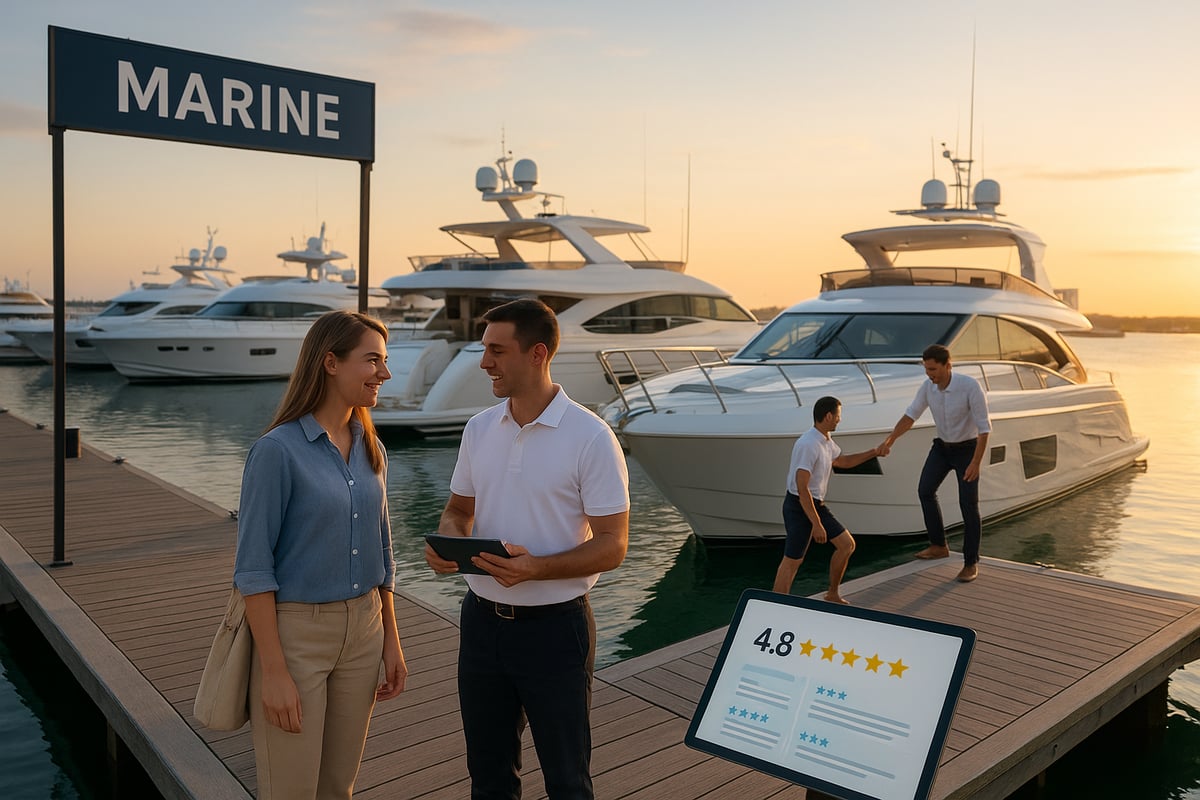
These days, a marine business’s reputation lives and breathes online. Over 65% of adults trust internet searches most for business info. Even more telling, 90% read reviews before booking. For yacht charters, marinas, dealers, and service providers, these stats can’t be ignored. Each five-star review or negative comment can sway thousands in bookings and impact your bottom line.
Defining Reputation Management for Marine Businesses
In the marine industry, reputation management is about controlling the narrative—both online and offline. It’s not just about responding to reviews, but actively shaping what people find when they search for your business. Why is reputation management important? Because every decision a customer makes, from a weekend boat rental to a year-long slip lease, is rooted in trust.
Online, your reputation is built on Google results, reviews on TripAdvisor, Yelp, and marine-specific sites, plus social media mentions. Offline, it’s about word-of-mouth, press coverage, and even dockside conversations. The stakes are high: marine business deals are often high-value, and a single negative experience can ripple through a tight-knit boating community for years.
Unique challenges set this industry apart. There’s seasonal demand, fierce local competition, and the reality that one unhappy guest can make waves online. Think about a negative Yelp review for a boat rental, a viral complaint about marina cleanliness, or a glowing testimonial for a yacht broker. Each shapes public perception in real time.
It’s not enough to wait for problems to arise. Proactive reputation management means building positive sentiment before issues surface, while reactive efforts focus on damage control. Either way, your reputation becomes an ongoing asset—something to nurture, monitor, and protect as fiercely as any vessel in your fleet.
If you want to take control of your online presence and ensure your business stands out in local searches, check out this Local SEO for marine businesses guide. It’s packed with actionable steps to help you dominate your market.
Core Elements of Reputation Management
So, why is reputation management important for marine businesses? It comes down to a few key pillars that drive real-world results:
- Monitoring: Track every review, mention, and social post about your business.
- Response: Engage with customers, address concerns, and thank your biggest fans—both publicly and privately.
- Content: Share positive stories, customer testimonials, and case studies to shape the conversation.
- Crisis Protocol: Have a plan ready for PR issues or viral complaints.
- SEO: Suppress negative results and boost positive content in search results for your business name.
A great example? A Charleston yacht charter received a negative review about service delays. By responding quickly, sharing their side, and inviting the guest back, they not only salvaged the relationship but triggered a booking surge from others who saw their professionalism.
Why is reputation management important? Because in the marine world, perception drives bookings, trust, and long-term survival. Get it right, and your business grows. Ignore it, and you risk sinking your brand before you even leave the dock.
How Reputation Management Works: Processes & Marine Industry Examples
Online reputation management is a living, breathing process for marine businesses. It’s not a one-time project, but a cycle of vigilance, engagement, and adaptation. To understand why is reputation management important, let’s break down its core processes with real-world marine industry examples.

Monitoring and Analysis
The first step is always monitoring. Marine businesses must keep a daily pulse on their online presence across Google, TripAdvisor, Facebook, Yelp, and industry-specific review sites. Why is reputation management important here? Because a negative review can surface at any moment and quickly shape public perception.
Tools like Google Alerts and Brand24 help track mentions, reviews, and social chatter. For example, a marina in Fort Lauderdale set up alerts and caught a customer complaint on a niche boating forum before it spread to social media. This proactive approach allowed them to address the issue privately and prevent a bigger problem.
- Use automated alert systems for instant notifications.
- Track both business and competitor names.
- Regularly review sentiment trends.
Consistent monitoring is the foundation for every other reputation strategy in the marine sector.
Engagement and Response
Fast, thoughtful engagement is the next pillar. Responding to both positive and negative feedback shows you care and builds real trust. Why is reputation management important for engagement? Because ignoring even a single review can send the wrong message to potential high-value customers.
Best practices include replying within 24 hours, using the customer’s name, and addressing their specific concerns. One boat dealer turned a lost sale around with a public apology and a private follow-up, which not only salvaged the relationship but also resulted in a glowing testimonial.
- Personalize every response.
- Move sensitive conversations offline if needed.
- Always thank advocates and address critics with empathy.
Effective engagement turns critics into loyal ambassadors and reassures prospects.
Content and SEO Strategies
Content and SEO work together to shape what people see first. Why is reputation management important when it comes to search results? Because most customers will Google your business before booking, and you need positive stories to outrank any negative press.
Marine businesses often publish customer success stories, spotlight staff, and create educational resources. Leveraging photo and video testimonials builds credibility and trust. To make this process seamless, see this SEO checklist for marine industry for actionable steps that boost your brand’s visibility.
- Optimize for your business name and branded keywords.
- Push down negative results with fresh, positive content.
- Share testimonials on your website and social channels.
This approach ensures your best foot is always forward when customers search.
Crisis Management in the Marine Sector
No business is immune to crises—a viral complaint, an accident, or negative press can strike suddenly. Why is reputation management important during a crisis? Because how you respond in the first hours can define your brand for years.
Marine companies need a crisis protocol, with pre-approved messages and a designated spokesperson. For example, after a weather-related incident at a marina, a rapid, transparent response calmed fears and limited negative coverage.
- Prepare messaging templates ahead of time.
- Set clear escalation paths for staff.
- Respond publicly and follow up privately when needed.
A solid crisis plan can turn a potential disaster into a story of leadership and care.
Ongoing Improvement and Measurement
Finally, reputation management is never “set and forget.” Regularly tracking key performance indicators—like review scores, sentiment trends, and booking inquiries—shows what’s working and what needs adjustment. Why is reputation management important for long-term growth? Because continuous improvement protects your brand and drives sustained bookings.
- Review strategy monthly or quarterly.
- Adjust tactics based on feedback and market changes.
- Celebrate wins and learn from setbacks.
In the marine industry, reputation is an asset that must be actively measured, refined, and protected.
Why Reputation Management Is Critical for Marine Businesses in 2026
In 2026, the question isn’t just “why is reputation management important” for marine businesses—it’s “how long can you survive without it?” The stakes have never been higher. Every review, rating, and social post shapes whether a yacht charter, marina, or marine service provider thrives or barely stays afloat.
Trust is the anchor of every marine transaction. Clients invest thousands, often tens of thousands, and that kind of spend demands total confidence. A positive reputation signals safety, reliability, and true expertise. In fact, 67.7% of purchase decisions in this sector are swayed by online reviews. Just imagine a charter guest scrolling through five-star testimonials—that’s often the deciding factor for booking.
Now, let’s talk numbers. A strong reputation doesn’t just look good—it fills your slips and calendars. Positive reviews fuel higher conversion rates on your website and booking platforms. Testimonials aren’t just feel-good content; they drive actual word-of-mouth and, more importantly, referrals. For every extra star on Yelp, marine businesses see revenue jump by 5 to 9 percent. Repeat clients? They’re far more likely to return when their last experience is praised online. If you’re still wondering why is reputation management important, consider this: it directly impacts your bottom line.
Standing out in a crowded harbor isn’t easy. In saturated markets, reputation is the ultimate differentiator. Consistently high ratings help you outrank competitors on Google and booking sites. For example, a boat rental company with stellar reviews often secures the top spot on Google Maps—drawing in more bookings than rivals with average scores. This is how reputation becomes your competitive advantage.
But what about risk? One negative review or viral complaint can cause bookings to drop overnight. Proactive reputation management minimizes this damage. Quick, professional responses to incidents or service failures can prevent long-term harm. Take the case of a marina that reacted instantly to a negative incident—by responding fast and transparently, they avoided lasting damage and even won back customer trust. The lesson: why is reputation management important isn’t just about growth, but also about protecting what you’ve built.
Talent matters in the marine industry. Skilled staff want to work with respected, well-reviewed businesses. Strong Glassdoor ratings and positive online sentiment boost morale and retention. Marinas with a stellar reputation naturally attract experienced dockmasters and crew, creating a cycle of excellence that’s hard to buy with ads alone.
Partnerships and vendor relationships also hinge on reputation. Marine supply companies, sponsors, and even insurers prefer to collaborate with top-rated marinas and service providers. A respected name opens doors and creates opportunities for growth. If you’re aiming for expansion, a trusted reputation makes the process smoother and more profitable.
Modern customers expect transparency, speed, and proof. They research thoroughly, compare reviews, and want to see businesses actively engaging with feedback. Ignoring reputation management is a giant red flag. Charter clients, for instance, will quickly choose a competitor if they see unanswered complaints or negative reviews left to fester.
Here’s a quick table summarizing the business impact:
| Factor | Impact of Strong Reputation | Impact of Poor Reputation |
|---|---|---|
| Bookings & Revenue | Higher conversions, more referrals | Lost bookings, revenue decline |
| Talent Attraction | Easier hiring, better retention | High turnover, skill shortages |
| Competitive Position | Top search & map rankings | Outranked by rivals |
| Risk Management | Faster recovery from incidents | Long-term damage, PR crises |
On top of all this, reputation directly fuels your lead pipeline. Businesses that actively manage their reputation consistently generate more leads and bookings, as detailed in Lead generation for marine industry.
So, why is reputation management important in 2026? It’s the compass guiding your marine business through digital storms and calm seas alike. Ignore it, and you risk drifting into irrelevance. Invest in it, and you’ll chart a course for sustainable growth and resilience in a fiercely competitive industry.

The Hidden Costs of Ignoring Reputation Management
Ignoring reputation management in the marine industry is like leaving your hull uninspected before a storm. Problems might not show up immediately, but the risks are lurking beneath the surface. If you’re still wondering why is reputation management important, just look at the real-world consequences marine businesses face when they let their online image slip.
Lost Revenue and Bookings
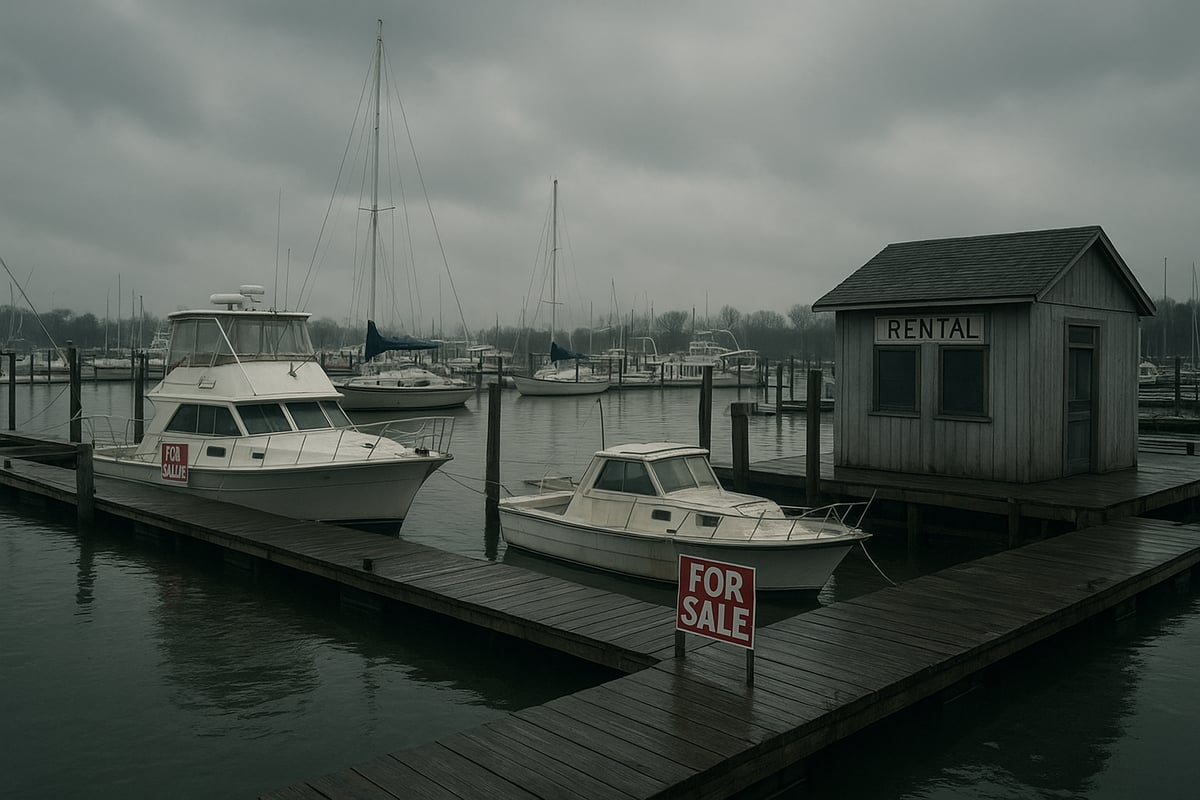
The most immediate hit comes straight to your bottom line. Just one negative review or a single viral complaint can trigger a 20 percent drop in monthly bookings. Customers see those low ratings and start looking elsewhere. This is a prime reason why is reputation management important for every marine business.
- A bad review can tank a week’s worth of charter inquiries.
- Viral social posts can empty your marina for the season.
- Recovery costs can be staggering, both in time and money.
Erosion of Customer Trust
Trust is the currency of the marine world. When complaints go unanswered or issues are left unresolved, customers lose faith fast. If you let your reputation decline, loyal clients start to vanish, and word-of-mouth turns negative. This erosion is a big part of why is reputation management important for long-term growth.
- Regulars stop rebooking after seeing ignored issues.
- Negative stories spread quickly in tight-knit boating communities.
- Even one unresolved incident can haunt your online profile for years.
Difficulty Attracting New Customers
Today’s clients research everything—Google, reviews, even social feeds. If your reputation is lacking, prospects often move on before you ever get a chance. According to Customer Experience in Marine Industry Statistics, digital transparency and engagement are now expected as a baseline. This shift is exactly why is reputation management important for staying competitive.
- Bad press or outdated reviews scare off new leads.
- Prospects compare you to top-rated competitors.
- Old, unresolved complaints show up in search and deter bookings.
Increased Marketing and Acquisition Costs
If your reputation suffers, you pay more for every new customer. That means increased ad spend, higher discounts, and more effort just to rebuild lost trust. Businesses often double their PPC budgets after review scandals. This financial strain is a clear answer to why is reputation management important for marine operators.
- More money spent on ads to offset bad reviews.
- Lower conversion rates raise your cost per booking.
- Special offers become the norm just to fill slips or cabins.
Damage to Employee Morale and Retention
Your staff wants to work for a business they’re proud of. When negative reviews pile up, morale drops, and turnover rises. Teams at poorly reviewed marinas are less engaged and harder to retain, making daily operations tougher. Even the best dockmasters or crew can be lured away by a competitor with a better reputation.
Legal and Regulatory Risks
Ignoring complaints can land you in hot water with local authorities or regulators. Unaddressed issues may escalate to lawsuits or official investigations. Negative incidents, especially those involving safety, can quickly attract scrutiny and even fines, putting your operating license at risk.
Long-Term Brand Devaluation
Over time, persistent negative sentiment chips away at your business’s value. If you ever plan to sell, expand, or bring in investors, a poor reputation can lower your asking price or stall deals altogether. Years of bad press make it tough to move forward, no matter how strong your operations are now.
Step-by-Step Guide: Building a Reputation Management Plan for Marine Businesses
Building a bulletproof reputation is not a one-time project—it’s a continuous, strategic process. For marine businesses, knowing exactly why is reputation management important can be the difference between thriving and barely staying afloat. Here’s a step-by-step approach to help your charter, marina, or dealership not just survive, but shine in 2026.
Step 1: Audit Your Current Reputation
Start by searching your business name on Google, social media, and key marine review platforms. This initial audit is where most marine businesses discover exactly why is reputation management important—outdated reviews, hidden complaints, or unclaimed listings can quietly damage trust.
Use a checklist:
- Search for your business and owner names
- Review all feedback on Google, TripAdvisor, Yelp, and marine-specific sites
- Note press mentions, both positive and negative
Tools like Google Alerts and Brand24 help you catch mentions you might otherwise miss. For example, a boat dealer might find an old news article still ranking high—reminding you that digital footprints last. This step gives you the lay of the land and highlights urgent areas for improvement.
Step 2: Set Clear Reputation Goals
Now, define what success looks like for your marine business. This is where you connect business outcomes to why is reputation management important. Are you aiming to raise your average rating, double your positive reviews, or push down negative articles in search results?
Set SMART goals:
- Specific: "Increase Google rating from 4.2 to 4.7 in 12 months"
- Measurable: "Gain 50 new 5-star reviews this season"
- Aligned: Tie goals to bookings, retention, and search visibility
For instance, a marina might set a target of reaching a 4.7+ average to attract premium clientele. Clarity here guides all future actions and keeps your team focused on what matters most.
Step 3: Assign Responsibility and Resources
Who’s in charge of your reputation? Assigning clear roles reveals why is reputation management important—without ownership, things slip through the cracks fast.
Decide on your approach:
- In-house team, agency, or hybrid
- Assign roles: Who monitors, who responds, who creates content, who manages crises?
- Budget for tools, staff time, and PR support
A yacht charter might hire a dedicated reputation manager, while a smaller marina could split duties among staff. The key is making sure someone is always watching and ready to act.
Step 4: Monitor and Track Brand Mentions Continuously
Reputation is a moving target. Continuous monitoring is at the heart of why is reputation management important for marine businesses. Set up alerts for your business, owner, and even competitor names.
Use dashboards and tools:
- Google Alerts for news and blog mentions
- Brand24 or marine-specific aggregators for social and forums
- Real-time dashboards for at-a-glance status
For example, a sailing school caught a negative Reddit thread early and resolved the issue before it spread. Regular monitoring means you’re never blindsided by a viral complaint.
Step 5: Respond to Feedback Promptly and Professionally
Every review—positive or negative—deserves a response. This step often teaches marine business owners firsthand why is reputation management important: silent businesses lose trust.
Best practices:
- Respond to every review within 24-48 hours
- Personalize responses, use templates for consistency
- Apologize where needed, offer solutions, move sensitive conversations offline
A marina manager once turned a 1-star review into a lifelong customer by responding quickly and thoughtfully. Fast, empathetic replies show you care and turn critics into advocates.
Step 6: Encourage and Showcase Positive Reviews
Don’t wait for happy customers to speak up—ask them. Proactively gathering positive feedback is a core reason why is reputation management important in the marine sector.
Simple tactics:
- Email or text follow-ups after successful rentals or charters
- QR codes at the dock for instant review links
- Ethical incentives (discounts, shoutouts) within platform rules
A yacht broker doubled their review volume with automated follow-ups. The more positive stories you share, the more you drown out the occasional negative voice.
Step 7: Create and Promote Positive Content
Creating high-value content is a powerful way to shape perception. Here’s where SEO and reputation overlap, highlighting again why is reputation management important for marine businesses. Publish case studies, customer spotlights, and staff stories.
Content ideas:
- Success stories of memorable charters or marina events
- Staff and client spotlights
- Educational blog posts about safe boating or destination guides
For expert advice on blending content and SEO, check out Yacht charter SEO best practices. Optimized content helps you outrank negative press and own your brand narrative.
Step 8: Prepare a Crisis Management Protocol
Crises happen—weather events, accidents, or viral complaints. Having a plan is a clear example of why is reputation management important for marine businesses. Don’t wait until you’re in the headlines to figure out what to say.
Build your protocol:
- Pre-approved messaging for likely scenarios
- Designate a spokesperson
- Set response timelines and escalation procedures
- Train staff on the steps
A marina’s rapid response to a weather incident kept news coverage positive and bookings steady. Planning ahead means you control the story, not the rumor mill.
Step 9: Evaluate and Refine Your Plan Regularly
Reputation management isn’t “set and forget.” Regular reviews let you see exactly why is reputation management important over time—strategies that worked last season may need tweaks as new platforms or trends emerge.
Monthly or quarterly reviews:
- Track KPIs: ratings, sentiment, search rankings, booking conversions
- Adjust tactics based on data and feedback
- Benchmark against competitors
A boat rental company noticed a spike in competitor reviews and shifted focus, regaining their edge. Continuous improvement keeps your reputation—and your business—strong.
The Future of Reputation Management: Trends & Tools for 2026
The marine industry is on the verge of a reputation revolution. As 2026 approaches, new technologies and changing customer habits are rewriting the rulebook. If you’ve ever wondered why is reputation management important for your marine business, the trends below will make it crystal clear. Let’s dive into what’s coming next.
AI-Powered Monitoring and Response
Artificial intelligence is changing how marine businesses protect their reputations. Real-time review tracking and sentiment analysis are now automated, making it easier to spot issues before they spiral. AI-generated response templates help teams reply faster and more consistently, even during peak season.
Marine companies increasingly use AI in the Marine Industry Statistics to measure adoption rates and see direct impacts on customer interactions. If you ask why is reputation management important, consider that AI lets you respond instantly, turning potential crises into opportunities.
Multi-Channel Reputation Strategies
Managing your reputation goes far beyond Google reviews. Today, all-in-one platforms allow you to track feedback across TripAdvisor, Facebook, Instagram, and even niche marine review sites. Unified dashboards make oversight easy, so you never miss a customer comment.
Why is reputation management important in 2026? Because your audience is everywhere. A single missed review on a popular channel can cost you a high-value booking. Staying connected across platforms keeps your reputation strong and your response times sharp.
Video and Visual Testimonials
Text reviews are valuable, but video is quickly becoming the gold standard. Yacht charters and marinas now share guest video testimonials, drone footage, and virtual tours to build trust and credibility. These visuals show real experiences and help potential clients picture themselves on the water.
If you’re still asking why is reputation management important, remember that video reviews are often shared on social media, reaching wider audiences and boosting your brand’s credibility in ways text alone cannot.
Proactive Reputation Building
The best marine businesses are not just reacting to feedback, they’re actively shaping the conversation. Regularly publishing positive stories, engaging with the community, and investing in PR outreach all play a role.
According to Strengthening PR and Marketing in Marine Industry, a strong PR and digital marketing strategy is essential for standing out in a crowded market. This is a big reason why is reputation management important—proactive businesses build goodwill long before issues arise.
Data-Driven Measurement and Reporting
Modern reputation management is all about the data. Advanced analytics tools now track sentiment, ROI, and conversion rates tied to your reputation efforts. Many marine businesses use dashboards to see which reviews or campaigns drive the most bookings.
Why is reputation management important here? Because data takes the guesswork out of your strategy, showing exactly where to focus for maximum impact.
Evolving Customer Expectations
Customers in 2026 expect more than ever: fast responses, total transparency, and personalized communication. Marinas and yacht charters that respond to inquiries or complaints within the hour consistently outperform slower competitors.
This shift is exactly why is reputation management important for marine businesses today. Meeting modern expectations keeps your clients loyal and your brand respected in an industry where trust is everything.
Online Reputation Management FAQs for Marine Businesses
Navigating online reputation management can feel daunting, especially in the marine industry where trust drives every booking. Below, we answer the most common questions marine business owners ask about why is reputation management important and how to get it right.
What is the impact of poor reputation management on marine businesses?
A weak approach means lost bookings, fading trust, and lower revenue. In this industry, a single unresolved complaint can ripple out fast. That’s why is reputation management important from day one.
How does online reputation management differ from traditional PR in the marine sector?
PR shapes perception through media and events, but reputation management is hands-on—monitoring, responding, and engaging with real customers daily, especially online.
What are the most important review sites for yacht charters, marinas, and marine services?
Google, TripAdvisor, Facebook, and industry-specific platforms matter most. For marinas, industry insights highlight the growing role of digital reviews and services, as detailed in Marina Industry Insights and Trends 2025.
How can small marine businesses compete with larger brands in reputation management?
By responding quickly, showcasing genuine reviews, and building local relationships, small teams can create a reputation that rivals bigger names.
What KPIs should marine businesses track to measure reputation success?
Focus on average star rating, volume of new reviews, sentiment trends, and increases in booking inquiries.
How often should you audit and update your reputation management plan?
Audit monthly or quarterly. Regular reviews help you adapt and stay ahead of issues.
What steps should you take if your business is targeted by fake or malicious reviews?
Respond calmly, flag the review, and provide evidence to the platform. Transparency builds credibility and shows customers why is reputation management important for long-term trust.
As we’ve explored, reputation management isn’t just about controlling reviews—it’s about building trust, driving bookings, and setting your marine business apart in a competitive market. If you’re ready to take control of your online presence, protect your brand, and turn feedback into growth, let’s talk about what’s possible for your business. I invite you to take the next step and Schedule a Free Strategy Call with our team. Together, we can build a reputation strategy that keeps your bookings strong and your business thriving—no matter what 2026 brings.