

Dreaming of owning a thriving sailboat charter business in 2026? You’re not alone. Demand for unique, on-the-water escapes is rising fast, attracting adventure seekers, families, and even corporate retreats.
People want memorable experiences, and the sailboat charter world is booming because of it. The lifestyle is appealing, the earning potential is real, but the competition and logistics are not for the faint of heart.
This guide will walk you through every step of building a standout sailboat charter business plan. With the right data-driven strategy, you can attract more customers, outperform competitors, and build a business that lasts.
Here’s what you’ll discover: essential market research, choosing your business model, smooth operations, marketing mastery, smart financial planning, and future-proof strategies.
Step 1: Market Research & Industry Analysis
Building a successful sailboat charter business plan in 2026 starts with understanding the market from every angle. The industry is evolving fast, shaped by new travel habits, shifting demographics, and increased demand for unique experiences. Let’s break down what’s fueling this surge and how to use the data to your advantage.
Understanding the 2026 Sailboat Charter Landscape
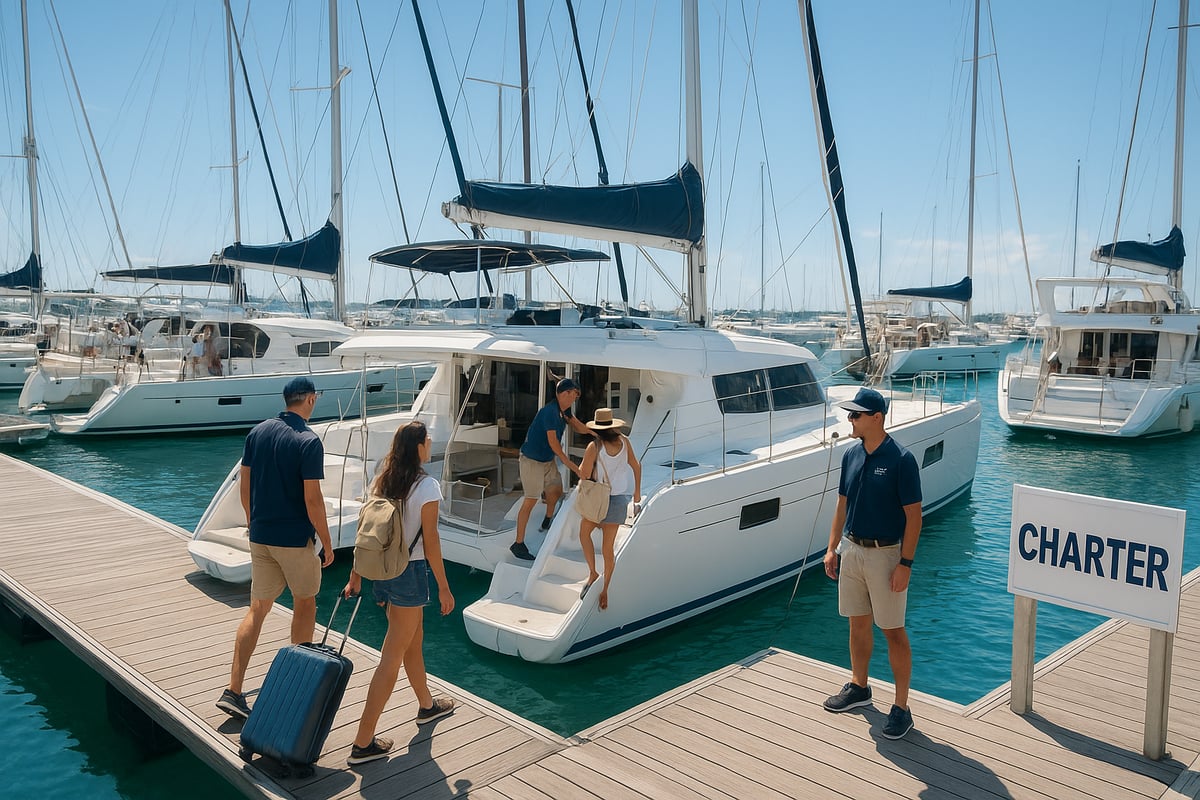
The travel world has changed. After the pandemic, people want more than just a vacation—they crave memorable, hands-on adventures. This shift has fueled the rapid growth of experiential tourism, with sailboat charters at the forefront.
Millennials and Gen Z are driving this trend, seeking eco-friendly escapes and authentic moments on the water. Families, too, are turning to charters for safe, private getaways. Corporate groups are booking sailboats for team-building retreats, adding another layer of opportunity.
The global charter market is booming. According to Yacht Charter Market to Reach $19.29 Billion by 2026, the industry is projected to surpass $19 billion by 2026. That’s a huge leap, and it puts data-driven market research at the center of every strong sailboat charter business plan.
Here’s a snapshot of what’s shaping the landscape:
| Factor | Insights for 2026 |
|---|---|
| Top Destinations | Mediterranean, Caribbean, Greek Isles, US Coasts |
| Emerging Hotspots | Southeast Asia, Australia, Pacific Islands |
| Demographic Shifts | Millennials, Gen Z, eco-conscious, families |
| Booking Channels | Direct online, OTAs, mobile apps |
Competition is heating up as more operators enter the market. Small local fleets are expanding, while larger brands focus on service differentiation—think sustainability, luxury upgrades, or themed charters. Regulations are tightening, too. You’ll need to factor in licensing, updated insurance coverage, and environmental compliance when crafting your sailboat charter business plan.
Case studies from the Mediterranean and Caribbean show that operators who embraced digital booking platforms and flexible itineraries thrived, even during uncertain times. In the US, partnerships with marinas and tourism boards helped new entrants gain traction.
All these trends highlight why thorough research is the backbone of your sailboat charter business plan. The more you know, the stronger your foundation.
Identifying Your Target Audience
A standout sailboat charter business plan always starts with clear customer personas. Who are you serving? What do they want? For 2026, it’s a diverse mix:
- Families seeking safe, private adventures
- Millennials and Gen Z prioritizing sustainability
- Adventure groups chasing unique experiences
- Corporate clients booking retreats or incentives
- Luxury travelers expecting premium service
Each group has distinct pain points. Booking friction is a big one—customers want seamless, transparent online reservations. Safety and health concerns are top of mind, especially for families and corporate groups. Price transparency matters, too, along with flexible cancellation policies.
Recent data shows most bookings now happen online, often via mobile. Customers spend more on longer trips, especially in peak seasons. Direct bookings are on the rise, but OTAs still play a critical role in reaching new audiences. Your sailboat charter business plan should weigh both channels and consider a hybrid approach.
Let’s look at customer acquisition strategies:
- Use targeted ads and social media to reach younger travelers
- Build loyalty programs for repeat guests
- Collect and showcase positive reviews to build trust
- Offer special packages for families or corporate clients
A real-world example: a charter company in Greece doubled its bookings in one season by using targeted Facebook ads and personalized email offers. Reviews from happy guests led to a surge in referrals and repeat business.
Remember, your sailboat charter business plan is only as strong as your understanding of who you serve. Listen to guest feedback, adapt your services, and keep your finger on the pulse of evolving customer needs.
Step 2: Crafting Your Sailboat Charter Business Model
Deciding on the right sailboat charter business plan is where your vision starts to take shape. The choices you make here—how you operate, who you serve, and how you structure your business—will define your path to profitability and long-term growth. This is the heart of your operation, and getting it right means you are already ahead of most newcomers.

Choosing Your Charter Approach
When building your sailboat charter business plan, the first big decision is the charter model. Bareboat charters give customers complete control—they rent the vessel and skipper themselves. This appeals to experienced sailors and often means less staffing for you, but higher insurance and strict vetting. Crewed charters, in contrast, bundle in a professional captain and possibly crew, offering a premium, hassle-free experience for families or luxury travelers.
Let us break down the main options:
| Model | Pros | Cons | Ideal For |
|---|---|---|---|
| Bareboat | Lower staffing, appeals to sailors | Higher risk, stricter vetting | Experienced sailors |
| Crewed | Higher rates, broader market | More staff, higher payroll | Families, luxury, corporate |
| Day Charter | Quick turnover, local market | Weather dependent, lower per trip | Tourists, locals |
| Hybrid/Membership | Year-round revenue, loyalty | Complex management, marketing needed | Repeat local customers |
A hybrid approach can give your sailboat charter business plan a unique edge. Some operators offer lessons, short tours, or themed events alongside traditional charters. This helps keep bookings strong even in shoulder seasons. Plus, consider starting with one or two boats and scaling as demand grows. Used sailboats can reduce upfront costs, but new models may attract higher-end clients and simplify maintenance.
Pricing is another lever. Hourly, daily, or weekly rates each suit different customer types. Seasonal pricing lets you maximize peak demand. For inspiration, many successful operators blend these models—like a Mediterranean fleet that runs lessons in spring, charters in summer, and corporate events in the fall.
Want more foundational insights on selecting your model and launch steps? Check out this How to start a charter boat business guide for step-by-step advice tailored to the marine industry.
Legal Structure & Compliance
The right legal setup is critical for your sailboat charter business plan. Most charter startups choose between an LLC, a corporation, or a partnership. Each has its own tax, liability, and administrative implications. An LLC is popular for its flexibility and protection, while corporations may suit those planning to scale or seek outside investment.
Licensing and regulatory compliance are non-negotiable. Maritime laws vary by region, so research local, state, and national requirements. You will likely need commercial vessel registration, captain’s licenses, and specific permits for carrying passengers. Environmental regulations are tightening, especially in sensitive coastal areas, so factor in sustainable practices from the start.
Insurance is another pillar of your sailboat charter business plan. You will need hull insurance for the vessels, liability coverage for operations, and policies for crew and passengers. Comprehensive coverage helps you weather unexpected storms—literally and financially.
Here is a quick checklist:
- Register your business entity and choose a name
- Obtain all necessary licenses and certifications
- Set up environmental protocols (waste management, eco-friendly cleaning)
- Secure insurance: hull, liability, crew, and customer
For example, in the US, charter operators must comply with Coast Guard safety standards and carry appropriate liability coverage. Many successful businesses invest in ongoing training and safety audits to maintain compliance and build customer trust.
Ultimately, a robust legal and compliance strategy not only protects your assets but also reassures clients. It tells the market you are serious, credible, and ready for long-term success.
Step 3: Operations, Staffing & Customer Experience
Running a successful sailboat charter business plan means nailing your operations, assembling the right team, and crafting a customer experience that gets people talking. Even the best boats can’t overcome clunky booking, poor maintenance, or missed expectations. Here’s how to get the details right, every single time.
Building Your Operations Plan
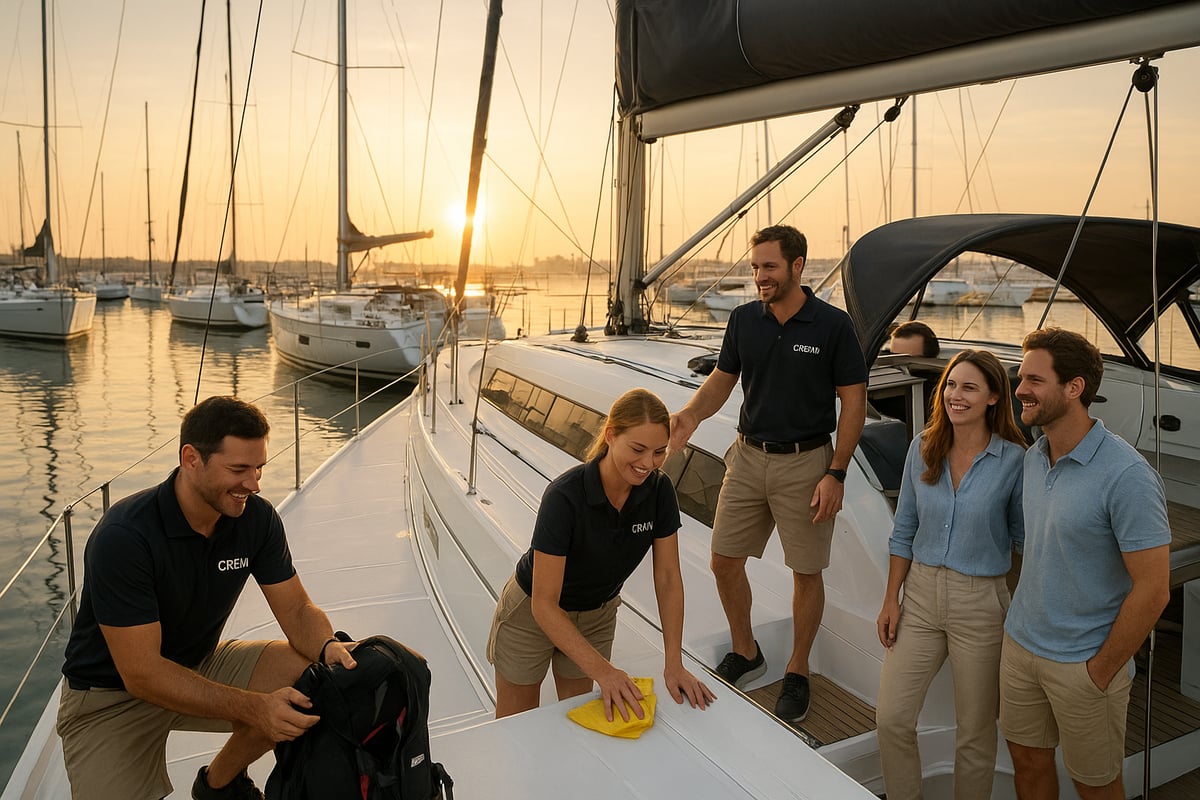
Choosing the right home base can make or break your sailboat charter business plan. Look for marinas with strong amenities, reliable dock access, and, ideally, partnership opportunities that reduce costs or bring in referrals. Proximity to hotels, restaurants, and popular attractions can boost your visibility and make logistics easier for guests.
Fleet management is where discipline pays off. Whether you start with one vessel or several, set up a detailed acquisition and maintenance schedule. Regular safety checks, hull inspections, and timely repairs keep your boats in top shape and compliant with insurance and regulatory requirements. The table below summarizes core fleet management tasks:
| Task | Frequency | Responsibility |
|---|---|---|
| Safety Inspection | Before every trip | Captain |
| Engine Maintenance | Monthly | Mechanic/Staff |
| Hull Cleaning | Weekly | Crew |
| Inventory Restock | After each trip | Office/Crew |
Staffing is more than just filling roles. Hire licensed captains who know the waters and value customer service. Invest in ongoing training for your crew and office personnel, focusing on hospitality, emergency procedures, and communication skills.
Booking systems are the backbone of your operation. Adopt an online reservation platform that integrates payment processing and CRM tools. Automation can cut admin time in half, as seen when one operator streamlined scheduling and reduced manual errors by 50%. For more on optimizing marine business workflows, check out these boat business insights and tips.
Delivering Exceptional Customer Experience
Guests expect more than a boat—they want an experience. Your sailboat charter business plan should prioritize onboard amenities like catering, Wi-Fi, and water toys. Small touches, such as luxury linens or welcome packages, can make a lasting impression.
Personalization goes a long way. Offer custom itineraries, themed charters, or special events tailored to your audience—families, adventure seekers, or corporate groups. Make every trip feel unique, not cookie-cutter.
Safety and comfort are non-negotiable. Brief every group on safety protocols, provide well-maintained lifejackets, and monitor weather conditions in real time. Empower your staff to respond proactively to guest needs.
Feedback is gold. Send post-trip surveys, monitor online reviews, and act on constructive criticism. One charter business used guest feedback to tweak its onboarding process, resulting in a significant jump in 5-star ratings. That’s how you turn happy customers into loyal advocates.
Every detail in your sailboat charter business plan should reinforce your commitment to operational excellence and customer satisfaction. When your systems run smoothly and your team exceeds expectations, your business stands out from the crowd and earns those all-important repeat bookings.
Step 4: Marketing & Growing Your Sailboat Charter Brand
Picture your brand as the compass guiding your sailboat charter business plan. It is what sets you apart, draws in curious adventurers, and keeps guests coming back for more. In today's market, a memorable, authentic identity is the anchor for every successful charter operation.
Building an Irresistible Brand Identity
Your sailboat charter business plan should always start with a strong, resonant brand identity. Consider this your business's personality—the story you tell, the visuals you choose, and the feelings you inspire in your customers.
First, craft a brand name that is easy to remember and instantly suggests adventure or luxury. Pair it with a professional logo that looks sharp both on your website and printed on the side of your boats. The goal is to make every interaction, from your digital presence to the towels on board, reflect your unique value.
Next, invest in a mobile-friendly website with seamless online booking. In 2026, travelers expect instant access to information and the ability to reserve a charter from their phones. High-quality photography and video content are non-negotiable. Show your fleet, the stunning destinations you visit, and the onboard experience.
Social proof is another pillar of your sailboat charter business plan. Encourage guests to leave reviews and share their experiences online. Partner with influencers who align with your brand values, and showcase user-generated content on your social platforms. One operator in Croatia boosted bookings by 40 percent after launching an Instagram campaign that highlighted guest stories and breathtaking sunset cruises.
A quick comparison of brand identity essentials:
| Element | Why It Matters | Pro Tip |
|---|---|---|
| Brand Name & Logo | First impression, recall | Keep it simple and meaningful |
| Website | Booking & info hub | Optimize for mobile and speed |
| Visual Content | Builds trust, inspires action | Hire a pro photographer |
| Social Proof | Drives trust and bookings | Feature authentic guest stories |
Ultimately, a strong brand identity is the foundation for your sailboat charter business plan, making it easier to stand out and drive loyalty.
Digital Marketing Strategies for 2026
Digital marketing is the wind in your sails. For a modern sailboat charter business plan, you need to be discoverable, credible, and compelling online.
Start with SEO tailored for marine businesses. Research the terms your ideal clients are searching for—think “sailboat charter in [your region]” or “luxury sailing getaways 2026.” Optimize your website’s structure, meta descriptions, and local listings. For actionable tips, explore Yacht charter SEO strategies to give your charter the edge.
Paid advertising is another lever. Google Ads, Facebook, Instagram, and even TikTok can be powerful for targeting adventure-seekers, corporate planners, and family groups. Create visually stunning ads that highlight your unique experiences, then use retargeting to stay top of mind.
Email marketing remains a cornerstone for any sailboat charter business plan. Build segmented lists—past clients, leads, and partners. Send regular newsletters with exclusive offers, destination guides, and seasonal promotions. This keeps your brand front and center, even during the off-season.
Reputation management is vital. Monitor and respond to all reviews, both positive and negative. Address complaints quickly and publicly. This not only builds trust but also shows prospective guests that you care deeply about service quality.
A quick digital tactics checklist:
- SEO for visibility and organic leads
- Paid ads for targeted reach
- Email for nurturing relationships
- Social media for engagement and proof
- Review management for trust and loyalty
When you mix these elements, your sailboat charter business plan can weather seasonal shifts and drive bookings year-round.
How Marine Marketing Experts Can Accelerate Growth
The marine industry is unique. Seasonality, high-ticket services, and a niche audience make marketing especially challenging. That is why partnering with specialists who understand the nuances of this space can be invaluable for your sailboat charter business plan.
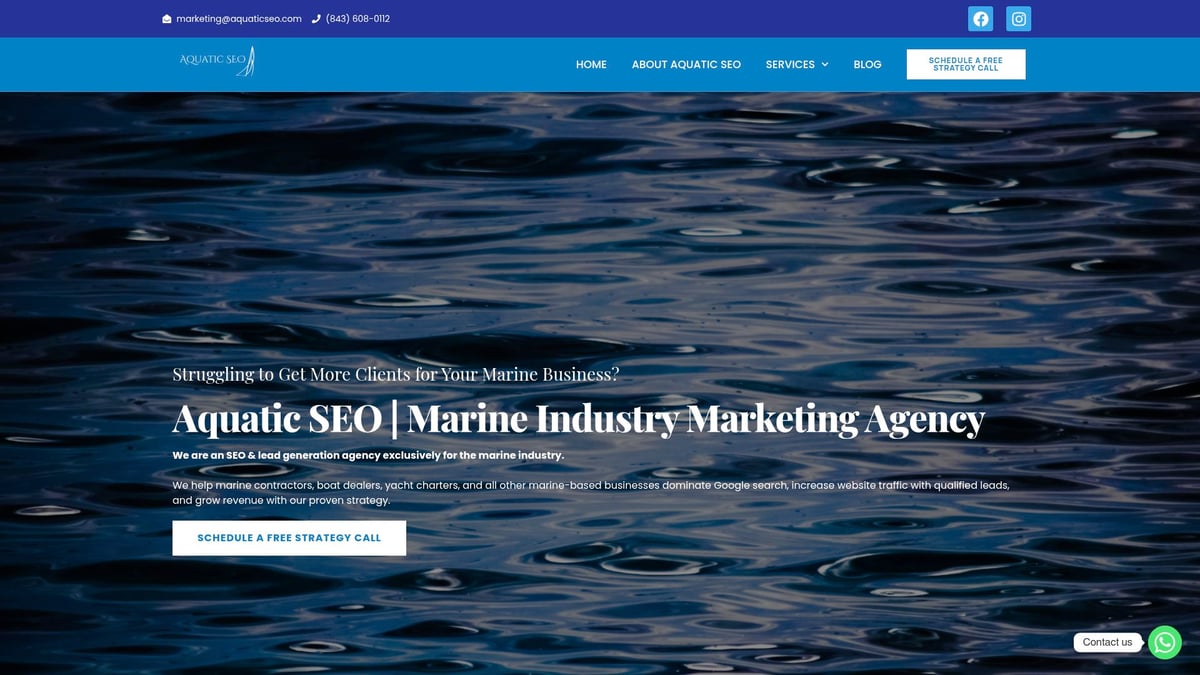
Marine marketing agencies like Aquatic SEO combine deep industry knowledge with proven digital tactics. They know how to optimize your site for the right keywords, craft compelling ad campaigns, and fine-tune every touchpoint for conversion. The result? More bookings, higher visibility, and a stronger brand presence.
Industry-specific SEO and PPC strategies help your charter stand out against local and global competitors. Conversion optimization ensures that every visitor to your site is more likely to become a paying guest. Plus, these experts monitor trends, algorithm changes, and new technologies—so your sailboat charter business plan is always a step ahead.
Real-world results speak volumes. Charter companies that invest in marine marketing expertise consistently report increased bookings, improved search rankings, and more loyal repeat customers. In a market where word of mouth and online reputation drive growth, having the right experts on board can make all the difference.
In summary, to build and grow a thriving sailboat charter business plan, invest in branding, embrace digital marketing, and consider expert support. This is how you stand out and succeed in the ever-competitive world of marine adventures.
Step 5: Financial Planning, Forecasting & Funding
Building a successful sailboat charter business plan in 2026 means getting your numbers right from the start. Financial planning is more than just balancing expenses—it's about forecasting growth, attracting partners, and weathering the ups and downs of a dynamic marine industry.
Let's break down the essentials, from budgeting your launch to managing cash flow through every season.
Budgeting for Launch & Growth
Launching with a solid sailboat charter business plan sets the stage for sustainable growth and resilience. Begin by mapping out your startup costs. These typically include:
- Sailboat acquisition (new or used)
- Licensing and certifications
- Insurance (liability, hull, crew, customer)
- Marketing and branding (website, ads, photography)
- Staffing (captains, crew, office support)
- Marina fees and dockage
Here’s a quick sample table to visualize how these costs might stack up for a three-boat operation:
| Expense Category | Estimated Cost (USD) |
|---|---|
| Boat Acquisition | $300,000 |
| Licensing/Permits | $15,000 |
| Insurance | $25,000 |
| Marketing | $20,000 |
| Staffing | $60,000 |
| Dockage/Marina | $30,000 |
| Maintenance | $18,000 |
| Total | $468,000 |
After setup, ongoing expenses include maintenance, fuel, payroll, and continued marketing. Don’t forget to factor in seasonality and repairs. When projecting revenue, use realistic occupancy rates and pricing models based on your market research. According to the Yacht Charter Market Size & Share Report, global demand is expected to climb steadily, with the market projected to exceed $15 billion by 2026. That’s a strong signal for charter operators aiming for sustainable profits.
A thorough sailboat charter business plan should include a break-even analysis. Estimate how many trips or weeks of bookings you’ll need to cover costs, then set milestones for profitability. Use spreadsheets to model different scenarios—what happens if bookings dip or fuel costs rise? The more granular your plan, the better you’ll sleep at night.
Securing Funding & Managing Cash Flow
Once your sailboat charter business plan outlines the numbers, it’s time to secure funding and build cash flow strategies. Many founders use a mix of personal investment, SBA loans, and marine industry lenders. If you’re aiming to scale quickly, consider bringing on investors or forming joint ventures with marina partners or local tourism operators.
Crowdfunding and grants can also be viable for innovative or eco-friendly concepts. Transparency and data-driven projections are your best allies when pitching to partners or lenders. Show them how your sailboat charter business plan addresses risk, seasonality, and competitive differentiation.
Managing cash flow requires discipline and flexibility. Collect deposits upfront to lock in bookings and cover pre-departure expenses. Establish clear cancellation and refund policies to minimize losses during off-peak months. Diversify your revenue streams—offer sailing lessons, branded merchandise, or corporate team-building events to smooth out seasonal dips.
Here are some tips for keeping your finances on course:
- Monitor expenses monthly and adjust as needed
- Use accounting software tailored for the marine industry
- Build a cash reserve for unexpected repairs or slow seasons
- Foster strong relationships with suppliers and marina partners
A real-world example: One charter startup in Florida secured initial funding through a local grant and a small business loan, then managed cash flow by offering discounted early-bird packages in the off-season. This approach gave them the runway to reach profitability within their first two years.
A data-driven, flexible sailboat charter business plan doesn’t just impress investors—it keeps your business afloat, no matter what the tides bring.
Step 6: Future-Proofing Your Sailboat Charter Business
Staying ahead in the marine industry takes more than just passion. Your sailboat charter business plan must anticipate change, not just react to it. Owners who embrace future-proofing strategies today are the ones who will thrive tomorrow, even when the tides turn.
Innovation is your competitive edge. Eco-friendly upgrades—like solar panels, efficient waste systems, and biodegradable products—aren’t just marketing buzzwords. They’re what customers expect in 2026. Invest in green certifications and sustainable business practices. Plus, keep an eye on emerging technologies: advanced fleet tracking, seamless online booking, and mobile apps that make chartering as easy as ordering food. For a broader look at industry trends, check out Superyacht Market Trends for 2026, which details the evolution of client preferences and tech adoption.
Diversifying your revenue is smart risk management. Don’t just offer standard charters. Consider adding sailing lessons, themed cruises, branded merchandise, or even pop-up sailing schools. Here’s a quick snapshot:
| Diversification Idea | Description |
|---|---|
| Sailing Lessons | Attract beginners, year-round |
| Corporate Retreats | Tap into business travel budgets |
| Wellness Cruises | Yoga, meditation, healthy menus |
| Merchandise | Branded hats, shirts, accessories |
| Special Events | Weddings, anniversaries, parties |
This approach ensures your sailboat charter business plan stands strong, even when demand shifts.
Adaptability matters more than ever. The rise of remote work, wellness tourism, and experiential travel has reshaped the market. Smart operators are creating remote work charters, wellness cruises, and unique themed adventures. To understand how these trends impact your planning, the U.S. Yacht Charter Market Outlook 2030 offers valuable insights into future demand and shifting customer segments.
Building resilience is non-negotiable. Review your disaster plans, update insurance policies, and create flexible operational procedures. During economic downturns, charter companies that swiftly pivoted—offering local getaways or discounted multi-day trips—often outperformed competitors. The lesson: a flexible, innovative sailboat charter business plan isn’t just a safety net, it’s a springboard for growth.
You've seen how a comprehensive, data-driven business plan can set your sailboat charter apart in 2026—from understanding your market and crafting standout experiences to mastering digital marketing and future-proofing your operations. If you're ready to turn these strategies into real growth, let's connect one-on-one. We specialize in the marine industry and know what it takes to keep your bookings steady and your business thriving, season after season. Your journey to a successful charter business starts with a clear plan and the right support. Schedule a Free Strategy Call