
Imagine swapping the daily grind for sunlit mornings on the water, where your office is a deck and every horizon brings new opportunity. The marine industry is booming, and the dream of building a boat business is more achievable than ever. This guide is your step-by-step map to launching a thriving operation in 2026, combining real-world expertise, up-to-date regulations, and proven growth strategies.
Inside, you’ll find everything from market research tips to legal essentials, plus advice on operations, marketing, and future-proofing your venture. Ready to learn how entrepreneurs are turning passion into profit, navigating challenges, and creating unforgettable guest experiences? Dive in and discover how to make your boat business dream a profitable reality.
Understanding the Boat Business Landscape in 2026
The marine industry is heading into 2026 with more momentum than ever. If you’re thinking about launching a boat business, now’s the time to get a handle on the trends, opportunities, and challenges shaping this dynamic sector. Let’s break down what’s happening in the market, how different models stack up, and what it takes to thrive.
Market Trends and Opportunities
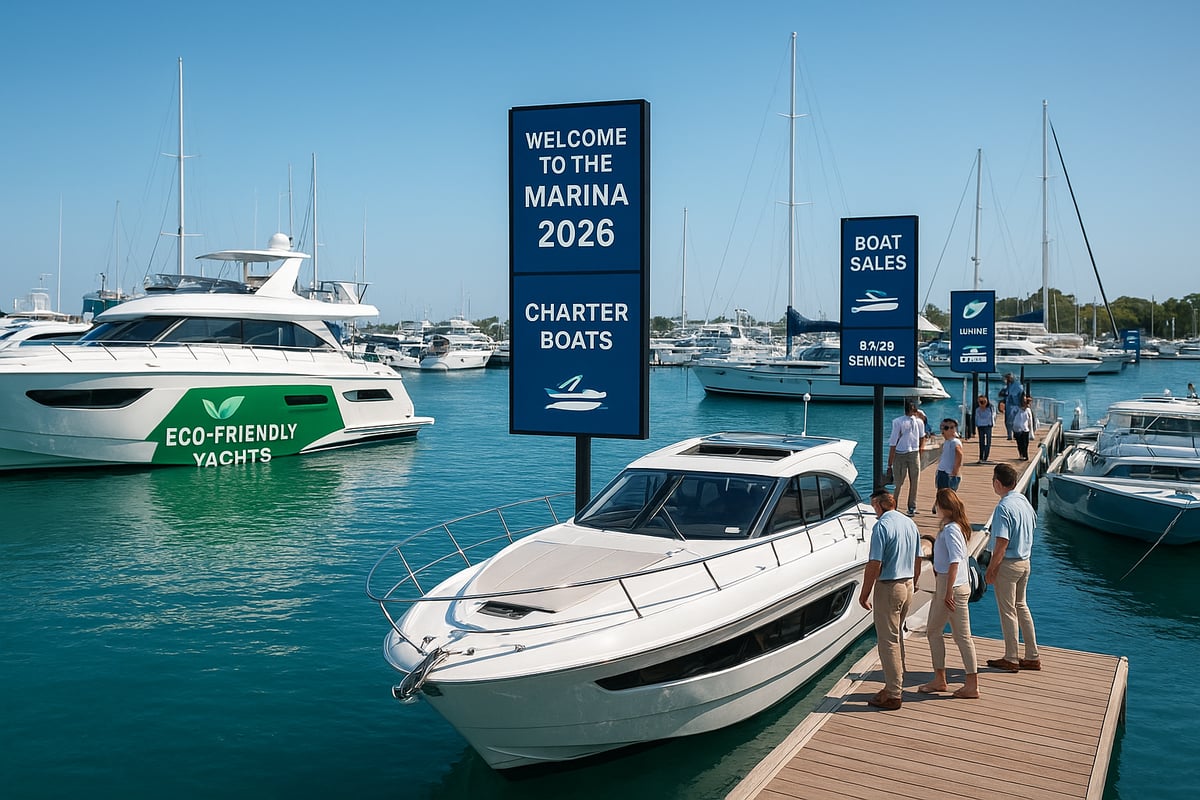
The boat business is booming, with demand for boating experiences up more than 20 percent since 2020. Travelers crave unique adventures, fueling growth in charters, fishing trips, and luxury yacht rentals. Eco tourism and adventure travel are on the rise, attracting families and thrill seekers alike. Digital booking platforms are making it easier for customers to connect with operators, while global events continue to influence travel patterns.
Some regions are leading the charge. The Virgin Islands, the Bahamas, and U.S. coastal hotspots are seeing record bookings and strong client retention. Competitors report steady income and repeat business, especially when they offer memorable guest experiences. Want to stay ahead of the curve? Check out insights from the Top 10 Marina Industry Trends to Watch in 2026 for a deeper dive into where the industry is headed.
Types of Boat Businesses
There’s no one size fits all approach to starting a boat business. Popular options include boat tours, fishing charters, yacht charters, rentals, sailing schools, party cruises, and even commercial transport. Each model comes with its own set of pros and cons.
For example, fixed route tours offer predictable schedules but may face stiff competition. Private charters and rentals provide flexibility and higher margins, though they often require more personalized service and marketing. Specialization is a smart move—think themed wildlife tours, culinary cruises, or eco friendly expeditions. Differentiating your boat business in a crowded market is key to standing out.
| Model | Revenue Potential | Seasonality | Complexity |
|---|---|---|---|
| Boat Tours | Medium | High | Low |
| Charters | High | Medium | Medium |
| Rentals | Variable | High | Medium |
| Party Cruises | High | Medium | High |
Regulatory and Industry Changes for 2026
Regulations for running a boat business are evolving fast. Licensing requirements and safety standards have tightened, and new environmental rules are rolling out. Operators must now comply with tech mandates, like eco friendly engines and digital safety equipment. Insurance and liability policies are also being updated, impacting cost structures and compliance.
Section 179 tax deduction rules for marine equipment continue to change, affecting how owners invest in vessels and upgrades. Local and federal policies are playing a bigger role in daily operations. Staying informed about these shifts is non negotiable for anyone serious about building a lasting boat business.
Key Success Factors in the Modern Marine Industry
Success in today’s boat business goes beyond owning a vessel. Compliance, safety, and customer experience are non negotiable. Digital marketing and a strong online reputation are now mission critical. High client retention and referrals drive steady growth, while efficient operations help control costs.
Building solid relationships with marinas, brokers, and tour operators can open doors to new opportunities. Competitors consistently cite outstanding guest experiences as a reason for their high retention rates. Focus on operational excellence and memorable service—your boat business will thank you.
Common Challenges and How to Overcome Them
Every boat business faces hurdles. High startup costs, complex regulations, fierce competition, and seasonality can all pose problems. The good news? Smart financing, niche targeting, and creative off season offerings can help. Leveraging digital tools for marketing and bookings gives newer operators a fighting chance.
Avoid unreliable financial projections and partner only with reputable suppliers. Realistic planning and ongoing market analysis are crucial. Many owner operators who succeed in the boat business credit their adaptability and willingness to learn from early missteps. With the right strategy, these challenges become stepping stones—not roadblocks—to success.
Step-by-Step Guide to Planning and Launching Your Boat Business
Launching a boat business in 2026 is a major undertaking, but with the right plan, it’s more than achievable. This step-by-step guide gives you the structure, industry insight, and actionable strategies you need. Let’s break down the process into manageable, practical steps—each designed to help you build a resilient, profitable marine venture.
Conducting Market Research and Feasibility Analysis
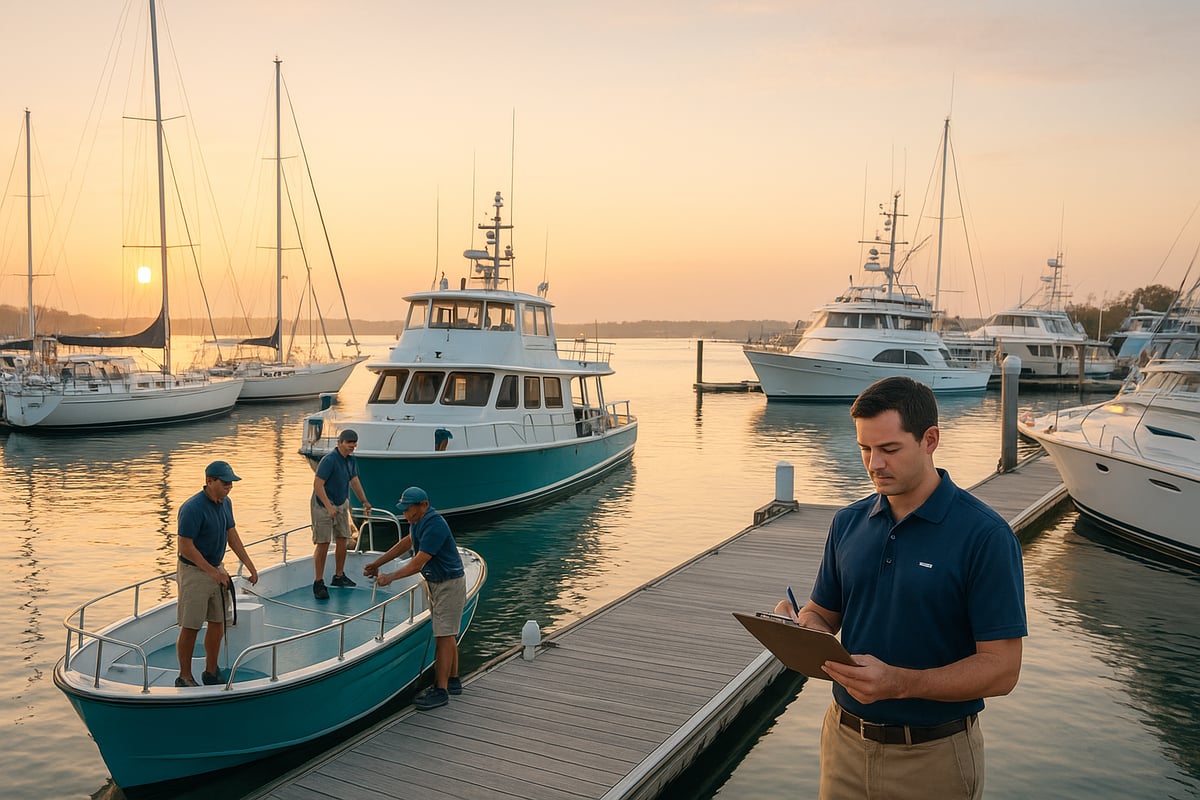
Before you invest in your boat business, you need to know the market inside out. Start by analyzing local tourism stats, competitor offerings, and customer reviews. Look for gaps in experiences—maybe there’s demand for eco-tours or private charters not being met. Use surveys, focus groups, and tourism board data to validate your ideas. For actionable steps tailored to launching a charter-focused operation, check out the Starting a charter boat business guide. This groundwork ensures your boat business is built on solid, data-driven insight.
Defining Your Business Model and Target Market
Choosing the right business model is crucial for your boat business. Will you offer tours, fishing charters, rentals, or a unique hybrid? Define your ideal customer—families, adventure seekers, or corporate groups. Align your services and pricing with their expectations. For example, families may value safety and educational elements, while corporate clients might seek bespoke experiences. Tailoring your boat business to a targeted audience increases retention and positions you for long-term success.
Writing a Comprehensive Business Plan
A thorough business plan is the backbone of any successful boat business. Start by outlining your mission, vision, and what sets you apart. Set clear, measurable goals—think number of bookings, revenue targets, and guest satisfaction metrics. Include detailed financial projections, covering startup costs, revenue streams, and break-even timelines. Don’t forget operational planning: staffing, maintenance, and scheduling. Reviewing competitor plans can reveal winning strategies for a stable boat business.
Legal Structure, Licensing, and Compliance
Choosing the right legal structure protects your boat business and ensures compliance with regulations. Decide if an LLC, corporation, or sole proprietorship fits your needs. Register your business, obtain an EIN, and secure necessary licenses—this may include a captain’s license, tourism permits, and health clearances. Stay current on local, state, and federal rules. For example, U.S. Coast Guard requirements and Section 179 eligibility directly impact your boat business operations.
Acquiring Boats and Equipment
Deciding whether to buy or lease is a vital step for your boat business. Buying offers long-term control and potential equity, while leasing can reduce upfront costs. Choose vessels based on size, type, and intended use—think about passenger capacity, amenities, and eco-friendly features. Equip your fleet with safety gear, navigation tech, and guest comforts. Plan routine maintenance and budget for repairs to keep your boat business running smoothly.
| Option | Pros | Cons |
|---|---|---|
| Buy | Asset ownership, customizations | High upfront costs, depreciation |
| Lease | Lower initial cost, flexibility | No equity, potential restrictions |
Choosing a Location and Docking Arrangements
Location is everything for a boat business. Evaluate marinas for accessibility, visibility, and proximity to your target market. Negotiate the best dock lease or purchase terms—consider amenities, security, and operating hours. Success stories from the Virgin Islands and Bahamas show how strategic locations drive bookings. The right spot not only boosts marketing efforts but also streamlines your boat business operations.
Financial Planning and Funding Your Business
Estimating startup and operational costs accurately is critical for your boat business. Factor in vessel acquisition, insurance, staffing, marketing, and dock fees. Explore funding options like:
- Small business loans
- Investor partnerships
- Grants specific to marine ventures
Leverage tax strategies such as depreciation and Section 179 deductions to optimize cash flow. Real-world examples show savvy boat business owners saving thousands through smart financial planning.
Building Your Team: Staffing and Training
Your team shapes the guest experience—and the reputation—of your boat business. Hire certified captains, skilled crew, and friendly customer service reps. Ensure all staff have the required licenses and experience. Invest in ongoing training for safety, hospitality, and technical skills. Many successful boat business owners start as hands-on operators, building a high-performing team from the ground up. High service standards directly impact client retention and positive reviews.
Setting Up Operations and Delivering Exceptional Experiences
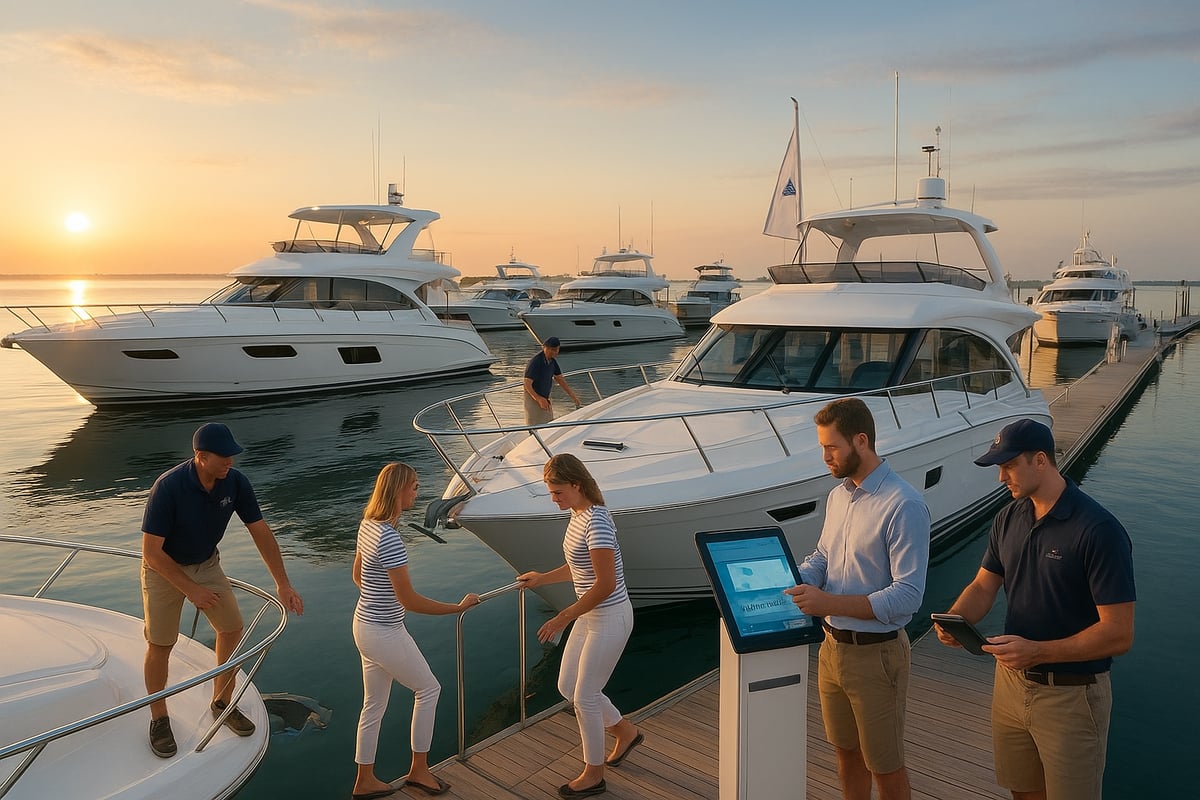
Launching a boat business in 2026 means nailing every detail of your daily operations. From the moment guests book a trip to the end of their adventure, seamless systems make all the difference. Let’s break down the essentials for operational success, safety, guest experience, customer retention, and tech-driven efficiency.
Operational Systems and Processes
Operational excellence is the backbone of any boat business. Efficiency starts with smart scheduling—automated booking platforms let you manage tours, charters, and rentals in real time. Payment systems should be secure and user friendly, making transactions painless for guests.
Routine maintenance is non negotiable. Develop checklists for daily, weekly, and seasonal upkeep. Inventory control matters too, from fuel and first aid kits to premium amenities for special charters.
- Use booking software to track capacity and avoid double bookings.
- Set up reminders for regular inspections and cleaning.
- Track supplies digitally to prevent last minute shortages.
Competitors who streamline these processes not only save money but also keep guests happy, which is the heart of a thriving boat business.
Ensuring Safety, Compliance, and Insurance
Safety is non negotiable in the boat business. Crew must be trained in emergency protocols, and every vessel needs up to date life jackets, fire extinguishers, and communication devices. Regular safety drills keep everyone sharp.
Stay ahead of regulatory changes. For instance, the Sport or Pleasure Vessel Code Updated With Phased Rollout From December 2025 outlines the latest compliance requirements for small commercial vessels, which affect new and existing operations in 2026.
Insurance coverage should include liability, hull, and passenger protection. Compliance isn’t just a legal box to check—it’s essential for building trust and long term success in your boat business.
Crafting Unique and Marketable Experiences
In a crowded market, your boat business needs to stand out. Start by designing themed tours, private charters, or educational programs that cater to specific interests. Add value with options like on board dining, live entertainment, or wildlife watching.
Personalized touches make a big impact. Custom playlists, local guides, or gourmet snacks can turn a standard trip into a memorable adventure.
- Offer sunset cruises, fishing expeditions, or eco tours.
- Bundle extra services for special occasions.
- Gather guest preferences before each trip.
Differentiation is what drives referrals and repeat bookings for your boat business.
Customer Service Excellence and Retention
Exceptional service is the secret weapon of every successful boat business. Train staff to greet guests warmly, answer questions, and handle feedback with care. A customer first culture should be part of every crew briefing.
Collect feedback after each trip and act on suggestions. Loyalty programs or referral incentives encourage repeat business and word of mouth growth.
- Reward frequent guests with discounts or free upgrades.
- Send thank you notes or follow up emails post trip.
- Celebrate milestones with long term customers.
Competitors with high retention rates often credit their success to small gestures and consistent service in their boat business.
Technology in Operations
Technology transforms how a boat business runs. Online booking, digital waivers, and QR code ticketing make life easier for both staff and guests. GPS tracking and fleet management tools help optimize routes and monitor fuel usage.
Data analytics lets you fine tune pricing, spot trends, and adjust marketing strategies on the fly.
- Use real time communication apps for crew coordination.
- Track guest preferences to personalize future trips.
- Analyze booking data to predict busy seasons.
Adopting digital systems boosts efficiency and guest satisfaction, helping your boat business stay ahead in a competitive industry.
Marketing, Branding, and Scaling Your Boat Business
Getting your boat business noticed in 2026 is about so much more than having a great vessel. It’s about crafting a brand that stands out, building a digital presence that converts, and scaling smartly as you grow. Here’s how marine industry leaders are doing it—and how you can, too.
Building a Standout Brand and Online Presence
Your brand is the heartbeat of your boat business. Start with a compelling story: Why do you do what you do? Next, invest in a sleek logo, a memorable name, and a color palette that pops. These elements should flow through every touchpoint, from boat wraps to uniforms.
A professional website is non-negotiable. Make sure it’s mobile-friendly, fast, and easy to navigate. High quality photos and videos of your boats and experiences can make a huge difference in booking rates. Integrate online booking tools and clear calls to action to convert curious browsers into paying clients.
Consistency is key. Use the same voice, visuals, and messaging everywhere. This builds trust and keeps your boat business top of mind.
Digital Marketing Strategies for Marine Businesses
In today’s market, digital marketing is a must for any boat business. Start with local SEO by optimizing your Google Business Profile and targeting keywords like “boat tours near me” or “yacht charter 2026.” Well-structured, keyword-rich website content helps you climb search rankings.
Pay-per-click (PPC) ads on Google and social media can drive immediate traffic. Combine that with content marketing—think blog posts, destination guides, and guest stories—to build organic reach over time. Track your results with analytics to see what’s working.
The best boat business owners use a blend of channels. This multi-channel approach keeps bookings steady all year.
How Aquatic SEO Drives Growth for Marine Businesses
Aquatic SEO is the marine industry’s go-to digital partner for measurable growth. Their Blended Customer Generation Strategy combines SEO, PPC, and conversion optimization, all tailored for the unique needs of a boat business.
Clients see results fast. Yacht charters and marine service providers have reported up to 500% growth in bookings and calls. Aquatic SEO’s Five Sprint Execution Model delivers rapid, transparent outcomes across search, local, and paid channels.
If you want predictable bookings and a hands-off marketing solution, Aquatic SEO’s marine expertise and detailed reporting make them the clear choice for scaling your boat business.
Social Media, PR, and Referral Marketing
Social platforms like Instagram, Facebook, and TikTok are perfect for showcasing the excitement and beauty of your boat business. Share behind-the-scenes moments, guest testimonials, and stunning sunset cruises to captivate your audience.
Partner with local influencers or tourism boards to extend your reach. Encourage guests to tag your business and share their experiences online. Positive reviews and user-generated content fuel word-of-mouth, which remains one of the most powerful drivers of new bookings.
A well-run social media presence builds community and keeps your boat business relevant.
Offline Marketing and Community Engagement
While digital is vital, offline marketing still matters in the boat business. Attend boat shows, tourism fairs, and local events to meet potential clients face to face. Build relationships with hotels, travel agents, and marinas to secure referrals.
Offer group discounts, loyalty programs, or special packages for local organizations. These efforts deepen community ties and help your boat business tap into new customer segments.
Some of the most successful operators blend online and offline strategies for maximum impact.
Scaling and Diversifying Revenue Streams
Growth in the boat business comes from smart expansion and diversification. Add new services like themed tours, private events, or wellness cruises to attract different client types. Retail options—think branded merchandise or snacks—can boost per-trip earnings.
Consider franchise opportunities or partnerships with other marine businesses to expand your footprint. Diversifying helps smooth out seasonal dips and gives your boat business more ways to thrive, no matter what the market throws your way.
Stay agile, keep innovating, and your boat business will be ready for whatever comes next.
Navigating Legal, Tax, and Compliance Essentials
Navigating the legal, tax, and compliance essentials is crucial for any boat business aiming to thrive in 2026. Regulations and requirements are evolving quickly, and your decisions here lay the foundation for long-term growth and protection. Let’s break down the steps every marine entrepreneur needs to know.
Business Entity Formation and Asset Protection
Choosing the right legal structure is your first big decision as a boat business owner. Many opt for an LLC or corporation, as both offer strong liability protection and potential tax advantages. These structures can help shield your personal assets if something goes wrong on the water.
Register your business name, file with state authorities, and secure an EIN for tax purposes. Consider trademarking your brand and logo, especially if you plan to expand. Competitors often highlight LLCs for minimizing personal risk, and it’s easy to see why. The right setup is more than paperwork—it’s peace of mind for your boat business.
Tax Planning, Deductions, and Section 179
Tax strategy is a powerful tool for any boat business. Section 179 lets you deduct the full purchase price of qualifying boats and equipment, with a $2.5 million deduction limit in 2025. Bonus depreciation can further reduce your taxable income.
Common deductible expenses include:
- Maintenance and repairs
- Fuel and dock fees
- Crew wages and insurance
- Loan interest
Accurate recordkeeping is essential. IRS compliance gets stricter every year, so keep detailed logs and receipts. Smart tax planning can reduce your ownership costs by up to 37 percent, giving your boat business a real financial edge.
Licensing, Permits, and Regulatory Compliance
Licensing is non-negotiable for any legitimate boat business. You’ll need to secure a business license, captain’s credentials, health and safety permits, and, in some areas, tourism-specific approvals. Both local and federal rules affect passenger safety and operational standards.
Regulations are always evolving, especially with new environmental and safety mandates on the horizon. For a step-by-step overview of licensing and compliance, check out How to start a boat rental business for essential guidance tailored to marine operators. Staying current is the best way to keep your boat business running smoothly and legally.
Insurance and Risk Management
Insurance is your safety net. Every boat business should have comprehensive coverage, including:
- General liability
- Hull and machinery
- Business interruption
- Passenger accident
Choose policies that match your services and risk profile. As your operations grow, review and update coverage regularly. Competitors consistently cite insurance as the backbone of risk management. In the unpredictable marine industry, protecting your boat business with robust insurance is not just smart—it’s essential.
Future-Proofing Your Boat Business for 2026 and Beyond
Charting a course for long-term success in the boat business means thinking beyond the next season. The marine industry is evolving fast, and those who adapt will lead the pack. Here’s how to make sure your boat business is built for the future—resilient, relevant, and ready for whatever comes next.
Embracing Sustainability and Eco-Friendly Practices
Sustainability is no longer a buzzword—it’s a core expectation in the modern boat business. Clients want to see green technologies, from electric engines to solar-powered amenities. Operators who invest early in these solutions will stand out and often benefit from lower running costs.
Consider using eco-friendly cleaning products, recycling onboard waste, and reducing single-use plastics. Not only does this align with customer values, but it also prepares your boat business for upcoming regulations. For a deeper dive into trends like renewable energy and sustainable materials, check out the Top 5 Maritime Trends Shaping the Boat and Yacht Industry in 2025. Responding to the market’s shift toward eco-tourism positions your brand as a leader in responsible marine tourism.
Adapting to Technology and Industry Innovations
Technology is transforming every aspect of the boat business. Digital booking platforms, contactless payments, and advanced navigation systems are now standard. Adopting AI-driven tools for predictive maintenance or using VR tours to showcase your fleet can set you apart.
Stay ahead by monitoring regulatory updates like those outlined in the Annual Regulatory Program 2025-26. These changes often mandate new equipment or digital compliance. Integrating these tools not only improves efficiency but also enhances guest experience and ensures your boat business remains competitive as the industry evolves.
Monitoring Market Trends and Customer Preferences
Customer expectations are shifting rapidly. Travelers now seek personalized, private, or themed experiences on the water. Regularly reviewing customer feedback, tracking industry data, and watching competitor moves are essential for any boat business aiming to stay ahead.
Consider pivoting to emerging trends—wellness cruises, adventure charters, or even remote work-friendly packages. Adaptability keeps your boat business relevant, especially as preferences change year over year. Building flexibility into your services allows you to capture new opportunities as they arise.
Planning for Growth, Exit, or Succession
Long-term planning is critical for a successful boat business. Whether you’re thinking about scaling, franchising, or eventually selling, you need a clear roadmap. Invest in leadership training, document processes, and develop a succession plan that ensures continuity.
Think about your legacy: will your boat business continue to thrive under new management, or will you transition ownership to family or partners? Strategic planning now sets the stage for a smooth transition—whether your goal is growth or a well-earned exit. The most resilient boat businesses are those that plan for every stage of the journey.
You’ve just explored the essential steps for launching a successful boat business in 2026—from choosing the right business model and navigating regulations to building a strong brand and scaling your operations. But every market is unique, and your goals deserve a custom approach rooted in real marine industry experience. If you’re ready to turn your vision into a predictable, thriving business, let’s talk about strategies tailored to your needs and local market. Together, we can map out a plan to help you stand out, attract more bookings, and maximize your growth potential. Schedule a Free Strategy Call