Picture this: golden sunlight glinting off calm water, the hum of engines, and a lineup of boats ready for adventure. The boat rental industry in 2026 is booming, with demand reaching new heights and opportunities everywhere you look.
This guide is your essential roadmap for building a standout boat rental business plan, whether you're just starting or looking to grow. Inside, you'll find expert insights on industry trends, financial planning, operations, marketing, and digital strategies tailored to marine entrepreneurs.
Discover what’s fueling the industry’s growth, learn from real success stories, and follow a proven blueprint to set your business up for lasting success.
Understanding the 2026 Boat Rental Market Landscape
The boat rental business plan you craft today must reflect a market that's rapidly changing. Picture a landscape where digital innovation, shifting traveler expectations, and environmental priorities collide to reshape the marine industry. Understanding this evolving environment is the first step toward building a resilient, future-ready business.
Industry Growth and Evolving Trends
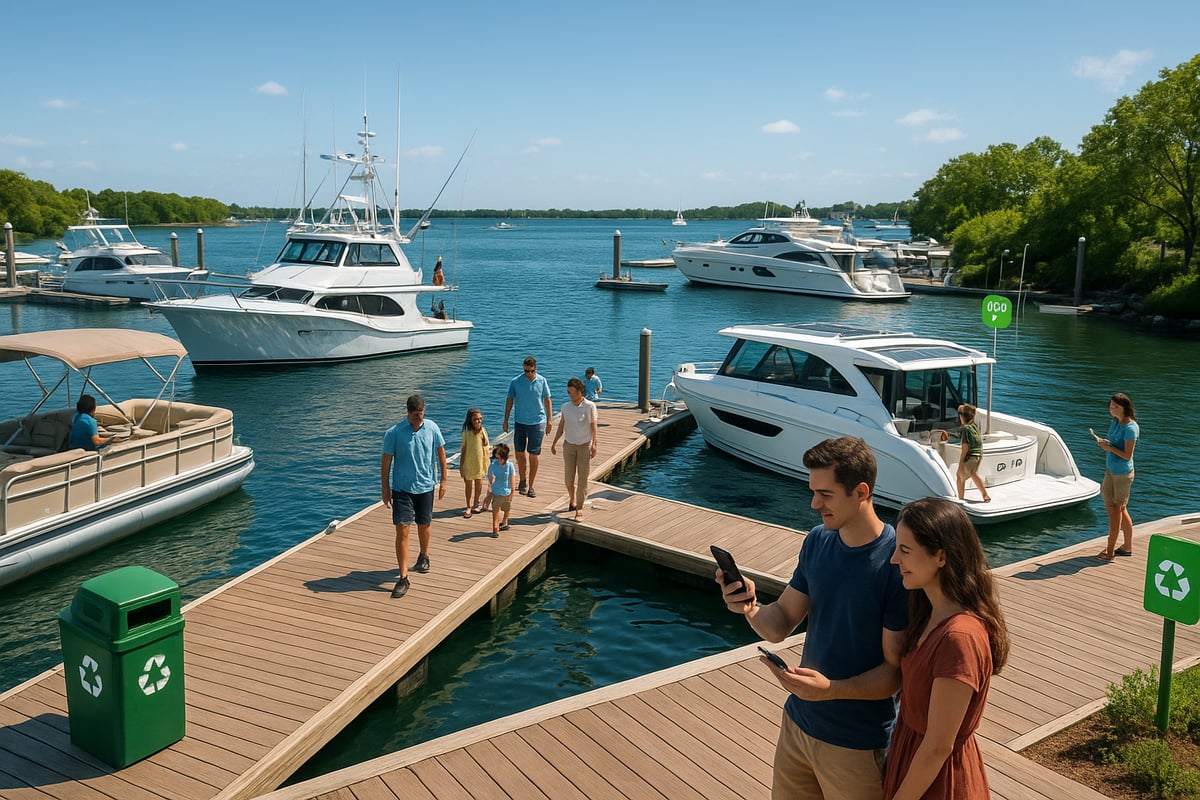
The global boat rental industry is on a steady upward trajectory, with market value projected to surpass $27 billion by 2026 and a CAGR exceeding 7 percent. Experience-driven travel is fueling this growth, as more people seek memorable adventures on the water. Eco-conscious tourism is also playing a bigger role, nudging operators to invest in electric or hybrid vessels and sustainable practices.
Tech is transforming the way customers interact with your business. Peer-to-peer rental platforms and mobile-first booking systems are now the norm. Customers want instant availability, seamless transactions, and diverse fleet options—from party pontoons to luxury yachts. For a deeper dive into market forecasts and emerging drivers, check out the Boat Rental Market Size, Share And Industry Insights, 2032.
A successful boat rental business plan in this climate must account for these evolving trends, ensuring flexibility and forward-thinking service offerings.
Key Customer Segments and Behavior
Knowing your audience is essential when developing a boat rental business plan. The modern customer base is broad: families planning summer getaways, couples seeking romance, adventure enthusiasts chasing the next thrill, and corporate groups organizing team outings.
Booking behavior is shifting. Most research and reservations now happen online, with mobile devices leading the charge. Customers expect real-time availability and easy, secure checkout. Plus, they're reading reviews—lots of them. Social proof has become a major decision driver, with platforms like Google and TripAdvisor shaping perceptions long before a customer steps on deck.
To stand out, your offering must be accessible, trustworthy, and responsive to these digital-first expectations.
Competitive Landscape and Differentiation
Competition is fierce. Your boat rental business plan will need to address both direct competitors—local marinas, national chains, and peer-to-peer platforms—and indirect substitutes like guided tours or water sports rentals.
Opportunities exist for niche targeting. Specialize in luxury charters, fishing expeditions, or themed party boats. Study local market leaders, such as Lake Shasta operators who win with competitive pricing and a wide variety of vessels. Their flexibility and customer focus provide a blueprint for differentiation.
Consider a quick comparison:
| Competitor Type | Strengths | Weaknesses |
|---|---|---|
| Local Marinas | Personal service | Limited fleet |
| National Chains | Brand recognition | Less flexibility |
| Peer-to-Peer Apps | Diverse inventory | Quality control |
Strategic positioning is key—find your unique angle and lean into it.
Seasonal Demand and Regional Variations
Seasonality shapes every boat rental business plan. High season means packed weekends and premium pricing, while off-season requires creative promotions to keep boats moving. Understanding these patterns lets you optimize staffing, inventory, and marketing spend.
Regional factors matter, too. Coastal cities, lakes, and popular tourist destinations generate the most demand, but each comes with its own rhythms and customer preferences. Off-season deals, bundled experiences, and local partnerships can help even out revenue and attract new audiences during slower months.
Staying nimble with your strategy ensures you capture every opportunity, no matter the season.
Regulatory and Environmental Considerations
Compliance is non-negotiable for any boat rental business plan. Operators must navigate licensing requirements, insurance obligations, and evolving safety standards. Age restrictions, regular vessel inspections, and renter education are all part of the equation.
Sustainability is gaining ground as both a regulatory and reputational factor. Customers and authorities alike are looking for eco-friendly boats, responsible waste management, and active stewardship of local waterways. Aligning your business with these values not only satisfies legal demands, but also builds trust with a growing segment of eco-conscious clients.
A proactive approach to compliance and sustainability sets your business apart, driving long-term loyalty and growth.
Crafting Your Boat Rental Business Model
Building the right foundation is everything for a thriving boat rental business plan. The choices you make about your fleet, pricing, legal structure, and growth path set the tone for your entire venture. Let’s break down each element, so your marine business is ready to ride the waves of 2026.
Choosing Your Fleet and Service Offerings
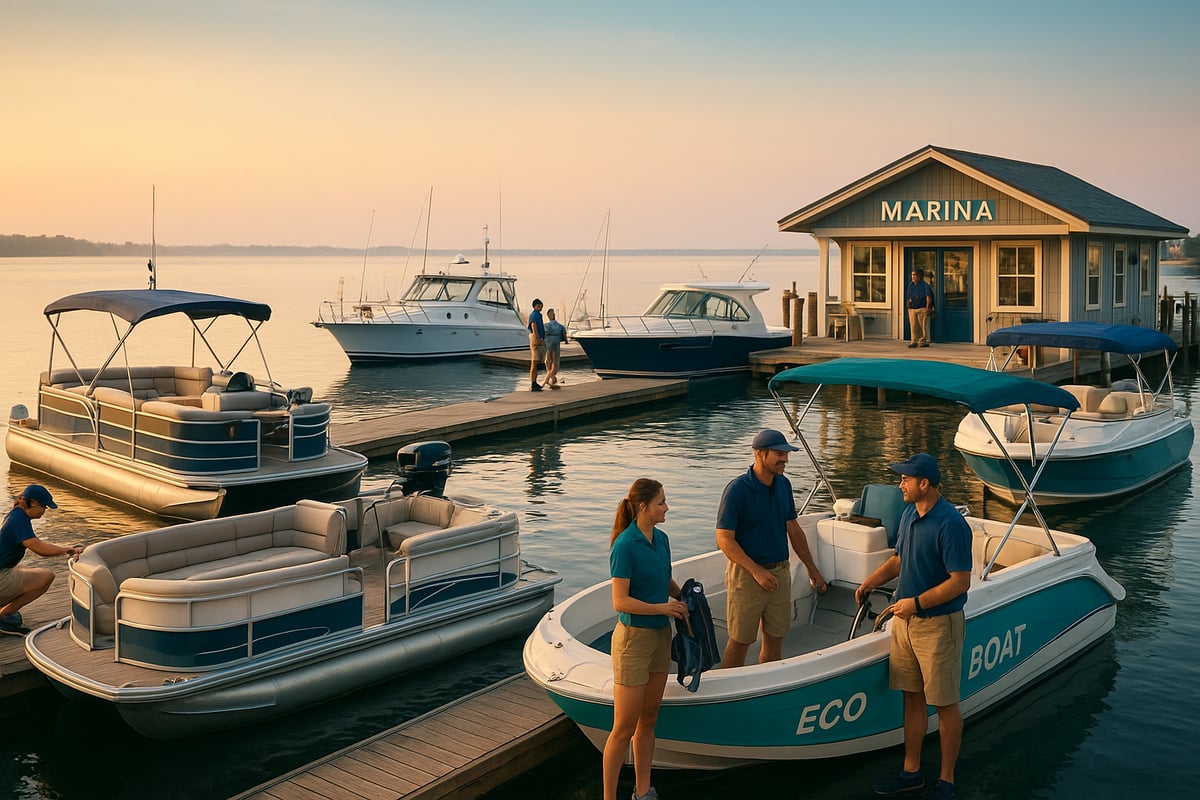
The heart of your boat rental business plan lies in your fleet. Should you own boats outright, lease them, or tap into peer-to-peer owner agreements? Owning gives you full control and brand consistency, but leasing or contracting with owners can boost flexibility and let you scale up or down fast.
Think carefully about which vessel types will appeal to your target audience. Pontoons are great for families, fishing boats for anglers, and luxury yachts for upscale groups. Eco-friendly boats are attracting more attention, too. On top of that, consider add-ons like guided tours, fishing packages, or water sports gear to boost revenue.
If you want a step-by-step playbook for this stage, the How to Start a Boat Rental Business guide is packed with actionable insights.
Pricing Strategies and Revenue Streams
A smart pricing strategy is a must for every boat rental business plan. Seasonal pricing lets you maximize high-demand periods and attract off-season bookings with discounts. Dynamic pricing tools can help you adjust rates in real time based on demand and weather.
Don’t overlook ancillary revenue. Merchandise, snacks, convenience items, fuel, and insurance upsells can make a surprising difference. The average rental rate ranges from $600 to $1,650 per trip, but the real key is knowing when and how to adjust those numbers for your market.
Legal Structure and Liability Management
Choosing the right structure for your boat rental business plan is crucial. LLCs offer liability protection and tax benefits. Sole proprietorships are simple, but leave your personal assets exposed. Partnerships can be flexible, but require clear agreements.
Insurance is non-negotiable. You’ll need policies for liability, vessel coverage, and renters. Set up safety protocols, including age limits, licensing checks, and regular vessel inspections, to protect your business and your customers.
Partnerships and Owner Agreements
Partnering with boat owners can be a game-changer for your boat rental business plan. Win-win agreements let you expand your fleet without a huge upfront investment. Structure contracts carefully—define revenue sharing, maintenance duties, and scheduling.
Clear communication is key. Make sure all parties understand expectations and responsibilities, so you avoid misunderstandings down the line.
Scalability and Growth Planning
A future-ready boat rental business plan always looks ahead. Think about how you’ll add boats, new locations, or extra services as demand grows. Franchising or partnering with other marine pros can open doors to new markets.
Regularly review your operations and customer feedback. Stay agile, so you can pivot quickly when trends or regulations shift. Planning for growth from the start puts you in the captain’s seat for long-term success.
Market Analysis & Customer Acquisition Strategy
Unlocking real growth in your boat rental business plan starts with a sharp understanding of the market and your customers. The marine industry moves fast, but with the right strategies, you can stay ahead, attract loyal clients, and fill your fleet all season.

Conducting a Local and Digital Market Analysis
Every solid boat rental business plan begins with data. Start by analyzing local tourism stats, population trends, and competitor density. Dig into digital demand using keyword research, search trends, and booking platform analytics. According to the Boat Rentals in the US – Market Research Report (2015-2030), the industry has seen steady growth, so knowing your local numbers is crucial. This groundwork reveals where your rental business can shine.
Customer Personas and Journey Mapping
It pays to know your customers inside out. Map out detailed personas—families seeking weekend escapes, adventure-seeking couples, or corporate groups. Track their journey from discovery to booking and post-trip feedback. Embedding this insight into your boat rental business plan helps tailor your messaging and service for each segment, boosting engagement and conversion rates.
Positioning and Unique Value Proposition
Standing out in a crowded marina is all about your brand’s story. What makes your offering different? Maybe it’s your eco-friendly fleet, unique guided experiences, or flawless customer service. Weave these differentiators into your boat rental business plan. Highlight the value you deliver, whether that’s comfort, adventure, or convenience, and let that purpose drive your brand voice everywhere you show up.
Pricing, Promotions, and Loyalty Programs
Pricing can make or break your season. Build your boat rental business plan around flexible rates—peak season premiums, off-season deals, and loyalty discounts. Sweeten the deal with bundled packages like fishing trips or sunset cruises. Reward repeat guests with referral perks. This approach not only boosts bookings but also encourages word-of-mouth, a key driver in the marine industry.
Building Strategic Partnerships
Partnerships open doors to new customers. Team up with hotels, travel agents, and event planners to create cross-promotions or vacation packages. Local businesses can help you reach wider audiences while offering guests more value. Building these relationships into your boat rental business plan ensures a steady flow of referrals and strengthens your presence in the community.
Leveraging Reviews and Social Proof
Online reviews are the new word-of-mouth. Encourage guests to share their experiences on Google, TripAdvisor, and Yelp. Showcase glowing testimonials right on your website and booking channels. A strong reputation, documented in your boat rental business plan, builds trust with new customers and sets you apart from competitors who overlook the power of social proof.
Digital Marketing for Marine Businesses
Today’s marine entrepreneurs win online. Invest in SEO, PPC campaigns, and active social channels to drive bookings. Share vivid photos and real stories on Instagram and Facebook. Optimize your website for mobile and ensure a frictionless booking process. Regularly analyze what’s working and adjust your strategy. A forward-thinking boat rental business plan always puts digital marketing at the core.
Financial Planning, Start-Up Costs & Funding
Launching a boat rental business plan starts with a clear-eyed look at the numbers. Financial planning isn’t just about keeping the lights on—it’s your map for growth, stability, and long-term success in the marine industry.

Estimating Start-Up and Operating Costs
Every successful boat rental business plan begins with a breakdown of costs. Start-up expenses typically include vessel purchases or leases, marina rent, permits, insurance, marketing, and office equipment. For a small fleet, initial investment often exceeds $150,000, according to industry data.
Operating costs don’t stop after launch. You’ll need to budget for regular maintenance, staff wages, fuel, and ongoing insurance. On top of that, marketing and booking system fees can add up quickly. Creating a detailed list of these expenses early on helps prevent surprises and keeps your boat rental business plan grounded in reality.
| Cost Category | Estimated Amount |
|---|---|
| Boat acquisition | $100,000+ |
| Marina rent | $12,000/year |
| Insurance | $8,000/year |
| Marketing | $6,000/year |
| Staff wages | $30,000/year |
Revenue Forecasting and Financial Projections
A strong boat rental business plan doesn’t just track expenses—it also projects income. Start by estimating seasonal demand, average booking rates, and occupancy levels. For example, average rental rates range from $600 to $1,650 per trip, with higher rates during peak season.
Use historical data, market benchmarks, and local tourism figures to model monthly and annual revenue. Consider using tools or resources like Financial Planning for Boat Businesses to build out detailed forecasts and test different scenarios. Accurate projections help you set realistic goals, secure funding, and track progress as your marine business grows.
Funding Options and Capital Sources
Securing capital is a key step in any boat rental business plan. Many marine entrepreneurs start with personal savings or owner equity, but that’s just the beginning. SBA loans, equipment financing, and private investors are popular options for covering significant upfront costs.
Crowdfunding and peer-to-peer lending platforms are gaining traction, especially for marine businesses with a compelling story or unique fleet. When approaching lenders or investors, a well-prepared boat rental business plan that details costs, projections, and strategies boosts your credibility and funding prospects.
Cash Flow Management and Profitability
Managing cash flow is critical for every boat rental business plan, especially in a seasonal industry. Collecting deposits, offering early booking incentives, and aligning expenses with revenue cycles can help smooth out high and low periods.
It’s smart to set aside a reserve fund for unexpected repairs or slow months. Monitor income and expenses weekly, not just monthly, so you can react quickly to shifts. Staying on top of cash flow ensures your marine business remains profitable and resilient, regardless of market changes.
Financial KPIs and Performance Tracking
Tracking the right metrics keeps your boat rental business plan on course. Key Performance Indicators (KPIs) like revenue per boat, customer acquisition cost, retention rate, and net profit margin tell you what’s working and what needs attention.
Set clear monthly and quarterly targets for each KPI. Compare actual results to your projections, and adjust your strategy as needed. This approach transforms your financial planning from a static document into a living tool that drives continuous improvement and measurable growth.
| KPI | What It Measures |
|---|---|
| Revenue per boat | Average income per vessel |
| Customer acquisition cost | Cost to gain each new customer |
| Retention rate | Percentage of repeat clients |
| Profit margin | Net income as a % of revenue |
Risk Management and Contingency Planning
No boat rental business plan is complete without a risk strategy. Comprehensive insurance policies protect your fleet, clients, and staff. Build a reserve fund to manage sudden expenses or downturns.
Regularly review your safety protocols, update compliance documents, and plan for scenarios like equipment failure or weather disruptions. By anticipating risks and building in contingencies, you safeguard your marine business and reassure stakeholders that you’re prepared for anything.
Operations, Staffing & Customer Experience
Smooth, efficient operations are the backbone of any successful boat rental business plan. Every detail, from the first customer inquiry to the final boat return, shapes your brand’s reputation and bottom line. Let’s break down the essentials for building a marine operation that stands out in 2026.
Day-to-Day Operations and Workflow
A streamlined workflow is vital for your boat rental business plan. Use an integrated booking system that supports online reservations, phone inquiries, and walk-ins. This helps you avoid double bookings and keeps operations running smoothly.
Break tasks into manageable steps:
- Schedule regular cleaning and fueling for each vessel.
- Keep detailed maintenance logs for all boats.
- Use a marina office or small retail space to offer customer support and upsell essentials like sunscreen or snacks.
Consistent processes mean happier guests and fewer last-minute surprises.
Staffing and Training
The right team is at the heart of your boat rental business plan. You’ll need managers for oversight, dockhands for boat prep and guest assistance, customer service reps, and maintenance crew. Training should cover safety, customer service, and local regulations.
Invest in ongoing staff education by leveraging resources like Boat Rental Pro Tips to keep your team sharp and motivated.
Staffing needs change with the seasons. During peak periods, bring in extra hands to maintain service quality and speed.
Safety, Compliance, and Insurance
Safety is non-negotiable in any boat rental business plan. Adopt detailed safety checklists and give renters a thorough orientation before every trip. Prepare your team for emergencies with regular drills and clear response protocols.
Stay current with local and federal regulations, including licenses and inspections. Secure comprehensive insurance for boats, staff, and renters to protect your operation and your reputation.
Enhancing Customer Experience
Exceptional service is a key differentiator for your boat rental business plan. Make check-in and check-out fast and friendly. Provide clear instructions, local tips, and onboard amenities like coolers or Bluetooth speakers.
Offer value-adds such as trip planning or guided excursions to boost satisfaction. Gather customer feedback after each trip, then act on it to continually refine your service.
Technology and Efficiency Tools
Modern technology is a game-changer for your boat rental business plan. Reservation and fleet management software automate bookings, schedule maintenance, and reduce errors. Mobile apps enable staff communication and let customers manage bookings or digital waivers on the go.
Integrating digital payment systems and online chat support improves convenience and trust. For more on optimizing digital visibility and efficiency, explore Local SEO for Marine Businesses to ensure your operation is easy to find and book online.
Building a Future-Proof Boat Rental Brand
Building a future-proof brand in the marine industry goes far beyond a catchy logo or a slick website. With the right boat rental business plan, you’ll anchor your company’s reputation, inspire loyalty, and steer through industry changes with confidence. Let’s break down the key elements to ensure your brand stands out, endures, and adapts.
Brand Identity and Storytelling
Your brand is the heartbeat of your boat rental business plan. Start with a name that feels authentic, then design a logo that’s memorable and instantly signals your values. But it’s the story that sticks—why did you launch your business, and what do you stand for? Share your passion for marine adventure and commitment to customer safety at every touchpoint.
Build your visual identity around what sets you apart. Maybe you’re the go-to for family outings, or you specialize in eco-friendly excursions. Consistency across signage, digital assets, and even staff uniforms helps cement brand recognition.
Website and Online Presence
In 2026, your website is often the first impression for potential customers. Your boat rental business plan should prioritize a mobile-optimized, visually appealing site that makes booking effortless. Feature crisp photos of your fleet, clear pricing, and genuine testimonials to build trust.
Integrate an online reservation system and live chat support so guests can get answers fast. A robust FAQ section and virtual tours give customers confidence before they even step on the dock. Keep your digital presence updated as your business grows.
Community Engagement and Reputation Building
A future-proof brand thrives on strong community ties. Sponsor local events, support waterway clean-ups, or partner with tourism boards to boost visibility. Being active in boating communities, both online and offline, helps you stay top of mind and gather valuable feedback.
Your boat rental business plan should include a strategy for reputation management. Encourage reviews on Google and TripAdvisor, and respond promptly—both to praise and concerns. Authentic engagement builds trust, which is priceless in this industry.
Sustainability and Environmental Responsibility
Today’s renters care deeply about sustainability. Weave eco-friendly practices into your boat rental business plan from the start. Consider electric or hybrid boats, promote recycling, and educate guests on responsible boating habits.
Highlight your environmental efforts on your website and in your marketing. Customers want to see that you’re a steward of the waterways they love. Aligning your brand with green initiatives can even unlock new markets and partnerships, as reported in recent Boat Rental Market Size and Share Forecast Outlook 2025 to 2035 research.
Scaling and Adapting for the Future
The marine industry is evolving fast, with peer-to-peer platforms and new tech reshaping how people rent boats. Your boat rental business plan must remain flexible. Monitor emerging trends, regulatory shifts, and customer preferences regularly.
Explore expansion options like new locations, franchising, or service diversification. Update your plan annually, using insights from the Boat Rental Market Outlook Report 2025-2034 to stay ahead of industry changes. Agility and forward-thinking will keep your brand resilient and ready for whatever comes next.
As you plan your boat rental business for 2026, remember that building a thriving marine venture goes beyond just having the right fleet or beautiful branding. It’s about creating a seamless customer journey, staying visible online, and turning every inquiry into a loyal booking. If you’re ready to go from part-time operator to fully booked pro, let’s put all these strategies into action together. You don’t have to navigate the complexities of digital marketing alone—get expert guidance tailored to the marine industry.
Schedule a Free Strategy Call
and discover how you can make your business the go to choice in your market.