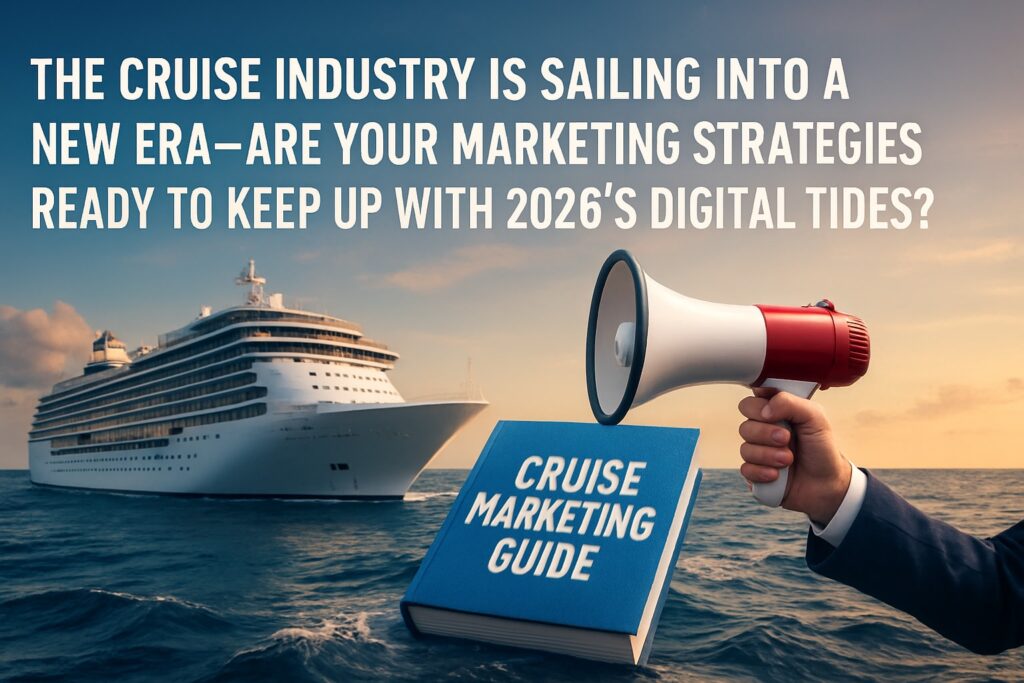
The cruise industry is sailing into a new era, and cruise marketing must evolve to keep pace with changing tides. Are you ready for what 2026 brings?
This guide delivers the latest, most effective cruise marketing strategies for marine professionals, cruise lines, and business owners aiming to win more bookings and boost brand loyalty.
We’ll break down digital innovations, data-driven approaches, sustainability messaging, influencer trends, and next-level personalization. Plus, you’ll find actionable steps and smart insights straight from top cruise brands—everything you need to outshine competitors and fill your cabins all year long.
Understanding the 2026 Cruise Marketing Landscape
Cruise marketing is entering a pivotal phase as the industry evolves rapidly. With shifting customer profiles, technological leaps, and new sustainability benchmarks, marine businesses must adapt to stay ahead. Let's break down the forces shaping cruise marketing for 2026.
Market Trends and Consumer Behavior Shifts
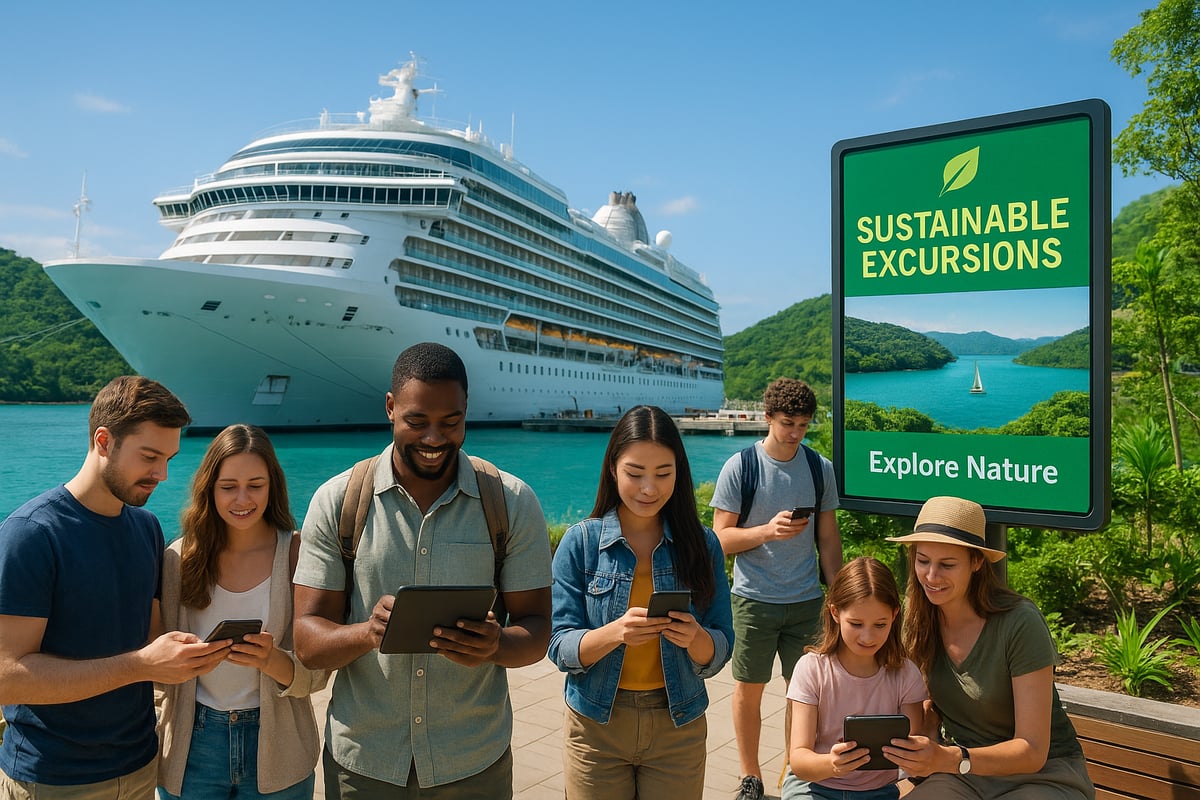
The cruise marketing landscape in 2026 is defined by surging post-pandemic travel demand and a noticeable shift in traveler demographics. Gen Z and Millennials are now the fastest-growing cruiser segments. They crave digital-first experiences, prioritize authenticity, and are more likely to book based on social proof and peer recommendations.
Carnival’s recent financial reports highlight record-breaking momentum, reflecting a broader industry resurgence. Boutique and adventure cruise lines are gaining ground, intensifying competition and pushing traditional brands to rethink their cruise marketing. Instead of focusing solely on ship amenities, brands are pivoting to “destination-first” campaigns. This shift is evident in Carnival and Silversea’s marketing, where immersive, destination-driven storytelling takes center stage.
Online reviews and social validation continue to gain importance. Travelers are more likely to trust real guest feedback than polished ads. For a comprehensive look at evolving trends and consumer behaviors, the 2025 State of the Cruise Industry Report offers valuable insights. Cruise marketing teams leveraging these trends will find greater success reaching new audiences.
Technology and Digital Transformation
Technology is fundamentally reshaping cruise marketing strategies. AI-powered personalization and predictive analytics are enabling brands to deliver hyper-targeted offers, tailored content, and dynamic recommendations at every touchpoint.
Virtual reality and augmented reality are inspiring travelers before they even book, letting them “tour” ships or explore destinations from home. Mobile apps are now essential for seamless customer journeys, from booking to boarding and beyond. AI influencers and virtual brand ambassadors, like Kyra, are beginning to appear in cruise marketing, unlocking new ways to engage digital natives.
Real-time data tracking allows marine businesses to optimize campaigns on the fly. Innovative tech, such as Le Commandant Charcot’s hybrid propulsion, is being used not just for operations but as a compelling marketing angle. Cruise marketing professionals who embrace these digital tools are positioning themselves for long-term growth.
Sustainability and Ethical Expectations
Sustainability has become a core pillar in cruise marketing. Today’s travelers are demanding clear, transparent data on eco-friendly practices and expect cruise lines to take meaningful steps toward lowering their environmental footprint.
Carnival’s public sustainability reports and commitment to emissions reductions are frequently highlighted in campaigns, building trust with eco-conscious guests. Offering plant-based dining and curated eco-excursions is now a real differentiator. Regulatory pressures and industry-wide green standards are pushing marine businesses to not only comply but to lead in sustainable innovation.
Cruise marketing that spotlights green technology, transparent reporting, and partnerships with conservation groups resonates with modern travelers. Marine brands that make sustainability part of their story will stand out in an increasingly crowded market.
Building a Future-Proof Cruise Marketing Strategy
Staying ahead in cruise marketing means thinking beyond the next wave—anticipating trends, embracing technology, and never losing sight of what travelers truly want. For marine businesses, this is where data, creativity, and industry expertise intersect. Let’s break down the actionable building blocks that will define your cruise marketing success in 2026.
Audience Segmentation and Persona Development
Understanding your audience is the cornerstone of effective cruise marketing. Start by developing detailed traveler personas. Use demographic data, booking patterns, and psychographics to shape these profiles. Are you targeting Gen Z adventurers, multi-generational families, or luxury seekers craving exclusivity?
Segmenting your audience allows you to craft messaging and offers that resonate on a personal level. For instance, adventure-focused content and exclusive shore excursions appeal to thrill-seekers, while curated family packages draw in parents and grandparents traveling together. This granular approach ensures every dollar spent on cruise marketing speaks directly to the right traveler.
Regularly revisit and update personas using the latest industry data. As traveler preferences evolve, so should your segmentation. This adaptability is key for marine businesses aiming to stay relevant and outperform competitors.
Digital Channel Mastery
Cruise marketing in 2026 is a digital-first game. Your strategy must blend SEO, content marketing, PPC, and social media to reach travelers at every stage of their journey. Start with robust keyword research—think “Caribbean cruise deals 2026” or “eco-friendly cruises”—and optimize every page for discoverability.
Social platforms like Instagram, TikTok, YouTube, and Facebook remain essential. Each channel attracts a unique demographic, so tailor your content accordingly. Short-form videos and influencer partnerships, including both human and AI personalities, can drive massive engagement.
To see how these elements come together, explore Marine marketing solutions for proven tactics in integrating multi-channel strategies. Leveraging these tools ensures your cruise marketing efforts are visible, compelling, and highly effective across all digital touchpoints.
Personalization and Automation
Personalization is no longer optional in cruise marketing—it’s expected. Leverage AI-driven tools to deliver dynamic website content, personalized email campaigns, and tailored recommendations for cabins, excursions, or dining experiences.
Automated lead nurturing sequences boost efficiency and keep your brand top-of-mind. For example, trigger follow-up emails after a visitor browses but doesn’t book, or send exclusive offers to loyalty members. Enhanced loyalty programs, backed by data, reward repeat travelers and encourage year-round engagement.
The key is to create seamless, memorable experiences at every interaction. When travelers feel seen and valued, they’re far more likely to book again and spread the word about your cruise marketing excellence.
Data-Driven Decision Making
Every effective cruise marketing strategy is anchored in analytics. Implement robust tracking systems to monitor campaign performance, audience behavior, and booking trends. Use tools for A/B testing creative assets, offers, and landing pages—continually refining what works best.
Don’t overlook the value of direct customer feedback. Regularly survey travelers and monitor reviews to identify strengths and areas for improvement. This feedback loop not only guides campaign adjustments but also signals to customers that their opinions matter.
Ultimately, being data-driven means making every marketing dollar count. By measuring ROI and optimizing spend across channels, marine businesses can navigate market shifts with confidence and precision.
Sustainability as a Core Marketing Pillar
Eco-conscious travelers are demanding transparency and authenticity from cruise marketing campaigns. Make sustainability a central theme by highlighting initiatives such as emissions reduction, plant-based dining, and eco-friendly excursions.
Publish transparent sustainability reports and showcase certifications or partnerships with conservation organizations. For instance, Carnival’s commitment to reducing greenhouse gases and MSC’s green innovations are powerful proof points for responsible marine travel.
Promoting these efforts builds trust, sets you apart from less progressive competitors, and taps into a growing market segment that prioritizes ethical choices. In 2026, integrating sustainability into your cruise marketing isn’t just good for the planet—it’s a business imperative.
Step-by-Step Guide: Executing Winning Cruise Marketing Campaigns in 2026
Ready to put strategy into action? Below, you’ll find a hands-on guide detailing each step of a modern cruise marketing campaign for 2026. Follow these steps to ensure your campaigns are data-driven, distinctive, and built for measurable results in the marine industry.
Step 1: Conduct a Comprehensive Market and Competitor Analysis
The foundation of any great cruise marketing effort is a rock-solid understanding of the current landscape. Start by identifying your main competitors and examining their messaging, offers, and digital presence. Benchmark your brand against leaders like Carnival, Viking, and Silversea. Use keyword research tools, social listening, and sentiment analysis to gauge what travelers are seeking and where competitors may be falling short.
Dive into market reports and demographic trends. For example, AAA’s 2026 Cruise Forecast reveals not just rising passenger numbers but also shifting priorities among Gen Z and Millennial cruisers. Assess gaps in the market, such as underrepresented destinations or unique onboard experiences. Don’t forget to integrate customer reviews and feedback as a vital part of your cruise marketing research. These insights will help you spot untapped opportunities and position your brand ahead of the curve.
Step 2: Develop a Distinctive Brand Positioning
Once you know the landscape, it’s time to carve out your unique place within it. Start by crafting a powerful value proposition that speaks directly to your target audience. Are you the most sustainable? The most luxurious? The best for families or adventure seekers? Make these differentiators clear across every touchpoint.
Consistency is key in cruise marketing. Every channel—website, ads, social media, email—should tell a cohesive story. Use authentic storytelling to build emotional connections. Draw inspiration from Viking’s partnership with Downton Abbey, which created themed cruises that resonated deeply with fans. In today’s market, travelers want to feel something special. Your branding should make them excited to book, not just informed.
Step 3: Create High-Converting Digital Assets
Your digital presence is often the first impression you make. Design visually compelling, mobile-optimized websites and landing pages that reflect your brand’s personality. Incorporate immersive content like virtual tours, 360-degree videos, and detailed destination guides to spark wanderlust and drive engagement.
Effective cruise marketing means making the booking process seamless. Integrate clear calls-to-action and ensure the flow from inspiration to booking is frictionless. User-generated content, such as testimonials and real guest photos, builds credibility and trust. Carnival’s interactive search, which highlights destinations over ship features, is a strong example of putting the customer’s priorities front and center.
Step 4: Launch Multi-Channel Campaigns
To reach modern travelers, cruise marketing must be multi-dimensional. Publish SEO-rich blog posts, service pages, and destination guides to capture organic interest. Run targeted PPC campaigns for high-intent keywords and retarget visitors who show interest but haven’t booked.
Social media is central to engagement. Activate influencer partnerships—both human and AI—for wider reach. Run contests, live streams, and collaborate with brands for cross-promotion. Take cues from partnerships like Viking and Downton Abbey or Silversea’s “Behind the Lens” series. The best part? Multi-channel marketing ensures your message is seen wherever your audience spends time online.
Step 5: Integrate Sustainability and Social Responsibility
Sustainability is no longer optional in cruise marketing. Travelers expect transparency and real action. Share detailed sustainability data, emission statistics, and future goals openly. Highlight plant-based menus, eco-friendly excursions, and onboard technology that reduces environmental impact.
Partner with environmental organizations and promote certifications to boost credibility. Use these initiatives as trust builders in your messaging. Carnival’s public emissions reduction efforts and Ponant’s hybrid propulsion ships are compelling examples. When sustainability is woven into your marketing narrative, it strengthens brand loyalty and attracts a new wave of conscious travelers.
Step 6: Optimize for Personalization and Automation
Personalization is where cruise marketing can truly shine. Leverage AI and CRM data to tailor offers, emails, and recommendations to each guest’s preferences. Implement automated follow-ups, loyalty program triggers, and nurture sequences that keep your brand top of mind.
Segment your audience by travel style—families, solo travelers, luxury seekers—and deliver messaging that feels handpicked. Monitor engagement with analytics, then refine campaigns in real time. Carnival’s dynamic loyalty program upgrades and targeted offers show how automation can boost both satisfaction and repeat bookings. In a crowded market, personalization sets your brand apart.
Step 7: Measure, Analyze, and Iterate
Finally, no cruise marketing campaign is complete without rigorous measurement. Set clear KPIs, such as bookings, conversion rates, engagement, and ROI. Use analytics dashboards to monitor performance across all channels, and conduct regular A/B tests to refine creative and offers.
Gather feedback through surveys and customer reviews to identify pain points or opportunities for improvement. Stay agile—adjust your approach as you learn what resonates. Carnival’s quarterly updates and data-driven decision making are proof that ongoing optimization drives results. By embracing a cycle of measurement and iteration, you’ll ensure your cruise marketing stays ahead of industry shifts.
Emerging Cruise Marketing Trends to Watch in 2026
Cruise marketing is evolving rapidly as we approach 2026, with new digital trends and consumer expectations reshaping the industry. To stay ahead, marine businesses need to keep a sharp eye on emerging strategies that drive engagement, bookings, and loyalty.
AI Influencers and Virtual Brand Ambassadors
AI-driven personalities are making waves in cruise marketing, helping brands stand out and connect with digital-first travelers. Virtual influencers like Kyra are available around the clock, enabling scalable campaigns that reach global audiences.
- Brands can launch interactive Q&A sessions and virtual ship tours.
- AI ambassadors provide instant responses and personalized recommendations.
- Early adopters in cruise marketing are building strong connections with Gen Z and Millennials.
For marine businesses, leveraging these digital ambassadors can create memorable, tech-forward experiences.
Destination-Forward Storytelling
There is a clear shift in cruise marketing from focusing on ship amenities to highlighting the destination experience. Travelers now want stories that immerse them in the culture, adventure, and excitement of each port.
- Short-form video and immersive content are key tools.
- Influencer travelogues and guest-generated content boost authenticity.
- Campaigns like Silversea’s “Behind the Lens” showcase destinations over ship features.
By prioritizing destination storytelling, cruise marketing becomes more emotionally engaging and conversion-focused.
Brand Collaborations and Partnerships
Strategic partnerships are unlocking new audiences and adding value to cruise marketing campaigns. Co-branded voyages, entertainment tie-ins, and culinary collaborations are driving buzz and cross-promotion.
- Fashion, food, and entertainment brands are frequent partners.
- Themed cruises, like Viking’s Downton Abbey experience, attract niche segments.
- Collaborations expand reach while sharing marketing resources.
Effective cruise marketing leverages these partnerships to deliver unique, share-worthy experiences.
Tech-Driven Experiences
Cutting-edge technology is now central to cruise marketing, shaping both pre-travel inspiration and onboard engagement. VR and AR experiences allow potential guests to explore ships and destinations from their devices.
- Mobile apps offer real-time itinerary updates and personalized offers.
- Onboard tech upgrades become standout selling points in cruise marketing.
- Data analytics optimize every campaign for better results.
Staying ahead with tech-driven cruise marketing helps marine brands exceed traveler expectations.
Sustainability and Transparency
Sustainability is no longer optional—travelers demand proof of eco-friendly action and transparent reporting. Public sustainability reports, emissions data, and green certifications are now top marketing assets.
- Plant-based cuisine and eco-excursions are popular differentiators.
- Partnerships with conservation groups build trust.
- Brands like Carnival are leading the way, as shown in their Carnival Corporation’s 2024 GHG Reduction Projections.
Transparent sustainability messaging helps marine businesses build lasting loyalty and a positive brand reputation.
Maximizing Customer Lifetime Value and Loyalty
Maximizing customer lifetime value is the linchpin of cruise marketing success in 2026. In a market where competition is fierce and guest expectations are always rising, loyalty programs and memorable experiences are what keep cruisers coming back. For marine businesses, building robust relationships and deepening engagement can turn one-time guests into lifelong advocates.
Designing Loyalty Programs for the Modern Cruiser
Today’s travelers want more than points—they crave personalized rewards that reflect their tastes and journey history. A modern cruise marketing approach starts with loyalty programs that go beyond the basics. Think tiered perks, early access to new itineraries, and unique onboard experiences.
Some leading cruise lines now use data to tailor rewards, creating offers that fit each guest’s profile. For example, luxury seekers might receive spa credits while families get exclusive excursion deals. This level of personalization transforms loyalty from a transactional system into a relationship builder.
The best loyalty programs also foster a sense of belonging. Members get insider updates, special invitations, and even behind-the-scenes access. When your cruise marketing makes guests feel valued, they’ll return—and recommend you to others.
Creating Memorable Onboard and Pre/Post-Cruise Experiences
The guest journey doesn’t begin and end at the gangway. In cruise marketing, every touchpoint matters, from booking to the farewell. Curated excursions, immersive themed events, and seamless pre/post-cruise arrangements can elevate the entire experience.
Successful marine brands now design mobile apps for real-time itinerary management and upselling opportunities. These platforms let guests personalize shore excursions, reserve dining, or book spa treatments—all before they board.
On top of that, destination immersion is key. Themed cruises, culinary journeys, and exclusive cultural events help create stories guests want to share. When these experiences are woven into your cruise marketing, they become powerful loyalty drivers.
Leveraging Feedback and Social Proof
Feedback is a goldmine for cruise marketing teams aiming to build trust and credibility. Proactively collecting reviews, testimonials, and user-generated content gives your brand an authentic voice. Sharing positive guest stories on your website and social channels not only boosts reputation, it inspires confidence in potential travelers.
Rapid response to feedback is equally critical. Addressing concerns quickly—whether through social media or direct outreach—shows commitment to guest satisfaction. Incentivizing referrals and advocacy, like offering rewards for sharing experiences, amplifies word-of-mouth impact.
A consistent feedback loop also uncovers insights for continuous improvement. Cruise marketing leaders use this data to fine-tune offers, messaging, and even onboard services, staying one step ahead of guest expectations.
Community Building and Engagement
Loyalty flourishes in strong communities. Cruise marketing isn’t just about selling cabins—it’s about creating spaces where guests connect year-round. Online forums, social groups, and exclusive member events foster lasting engagement.
Hosting live Q&As with crew or destination experts, sharing behind-the-scenes content, and running contests keep the community active. When guests feel like part of an ongoing story, they’re more likely to book again and refer friends.
Community initiatives also provide valuable insights into guest preferences and trends. Listening to these conversations helps cruise marketing teams refine their approach and deliver what guests truly want.
Continuous Data-Driven Optimization
Optimizing the guest journey relies on data at every stage. Leading cruise marketing teams track behavior and preferences, using analytics to refine offers and experiences. This data-driven approach ensures campaigns are always relevant and effective.
Transparent reporting is part of this process. Publishing sustainability achievements, like those highlighted in MSC Group’s 2024 Sustainability Report, builds trust and showcases accountability. Continuous A/B testing, regular performance reviews, and adapting to feedback all drive ongoing growth.
Data isn’t just about numbers—it’s about understanding what keeps guests coming back. Cruise marketing leaders who embrace analytics see higher retention and stronger brand loyalty.
Future-Proofing Against Industry Disruption
In 2026, agility is everything. Cruise marketing strategies must evolve alongside traveler trends and digital innovation. Staying ahead means monitoring competitor moves, experimenting with new channels, and investing in staff training.
Exploring emerging technologies, from AI-driven personalization to immersive digital experiences, keeps your brand relevant. For marine businesses, partnering with experts in web marketing for marine industry ensures strategies remain cutting-edge and measurable.
The ultimate goal? Resilient, adaptable cruise marketing that thrives no matter what the industry throws your way.
As you look to future proof your cruise marketing for 2026, it’s clear that standing out means blending digital innovation, sustainability, and true personalization—just as we explored together. If you’re ready to turn these strategies into year round bookings and measurable growth, we’re here to help. At Aquatic SEO, we’ve guided marine businesses to higher visibility, stronger customer flow, and less guesswork, using real world results and industry expertise. Let’s discuss how you can outpace the competition and build a marketing engine that works for you—Schedule a Free Strategy Call