Imagine it’s 2026. The marine industry is riding a wave of digital transformation, but not every business is steering with confidence. Are you catching the momentum, or is your brand feeling lost in the undertow?
Many marine business owners still find themselves tangled when it comes to digital marketing and e commerce. The lines blur as technology evolves, making it tough to know which approach will truly lift your sales, drive bookings, and fuel sustainable growth.
Here’s the good news: understanding the difference between digital marketing and e commerce can unlock a clear, actionable path forward for your marine business. In this guide, you’ll get concise definitions, discover how each strategy shapes your results, explore the latest tech trends, and learn how to choose the best route for your goals.
Ready to chart a course for success? Let’s dive in.
Defining Digital Marketing and E-Commerce in the Marine Industry
Understanding the difference between digital marketing and e commerce is crucial for any marine business aiming to thrive in 2026. These two concepts shape how you attract, engage, and convert customers, but they serve distinct roles. Let’s break down what each means for the marine industry, how they work together, and why getting this right matters more than ever.
What is Digital Marketing?
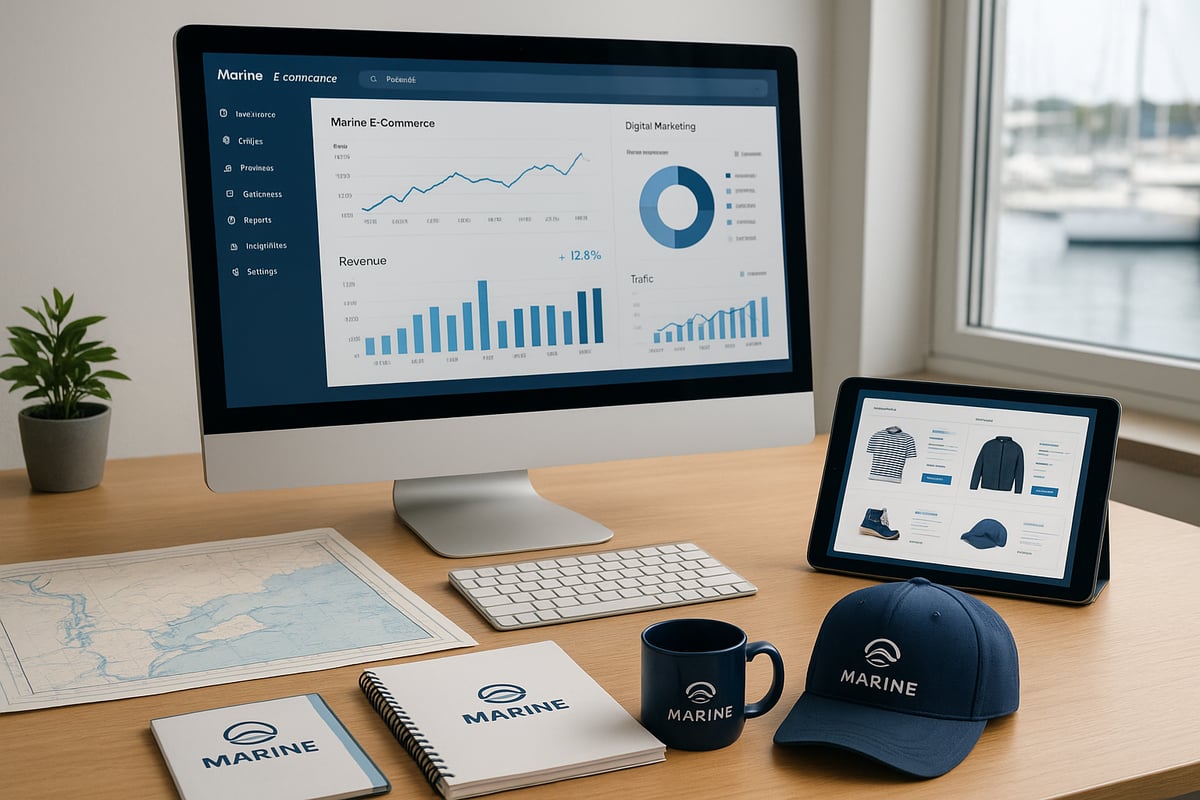
Digital marketing in the marine industry is the engine that boosts your brand’s online presence and customer engagement. Think of it as the entire toolkit you use to reach boaters, yacht buyers, and marina clients—whether through SEO, pay-per-click ads, content creation, social media, email campaigns, or influencer partnerships. For example, yacht brokerages often rely on targeted Google Ads to attract high-value leads. According to industry reports, digital ad spend in this sector is projected to rise by 12 percent in 2026. If you want to dive deeper, check out this Marine marketing solutions overview for practical strategies. Remember, digital marketing and e commerce are not just about selling; marketing is about attracting, nurturing, and converting interest into real opportunities.
What is E-Commerce?
E-commerce is the online platform where actual marine transactions take place. In other words, it’s the storefront for marine products and services—whether you’re a B2B marine parts wholesaler, a B2C boat accessories shop, or a C2C used boat marketplace. Marine retailers often use platforms like Shopify or WooCommerce to manage their sales and inventory. The numbers are compelling: e-commerce sales in the marine sector are expected to surpass $5 billion globally by 2026. While digital marketing and e commerce are closely linked, it’s important to see e-commerce as the transaction layer, while marketing serves as the essential traffic driver.
How They Intersect and Differ
Digital marketing and e commerce often overlap, but they play clearly distinct roles within the marine business funnel. Marketing activities—like Instagram ads or SEO—bring prospects to your e-commerce platform, creating awareness and demand. E-commerce, by contrast, is focused on the transaction and fulfillment stage. For instance, a boat rental company might use digital marketing to promote their fleet, then rely on their website’s booking engine for actual sales. Both are vital, but each addresses a different stage in the customer journey.
Why It Matters for Marine Businesses
For marine businesses, understanding digital marketing and e commerce is vital due to unique industry dynamics. The marine sector deals with high-value, low-frequency purchases, complex buyer journeys, and seasonal demand spikes. Misunderstanding the distinction can lead to wasted budgets or stalled growth. When you align the right strategies, you increase bookings, foster customer loyalty, and boost ROI. In 2026, specialized digital marketing and e commerce approaches will outperform generic solutions every time.
Core Functions: Digital Marketing vs. E-Commerce for Marine Businesses
The marine industry is changing fast. To stay ahead, you need to understand the core roles digital marketing and e commerce play in your business. Let’s break down how each function works, where they connect, and what challenges are unique to marine businesses.
Digital Marketing: Building Awareness and Demand
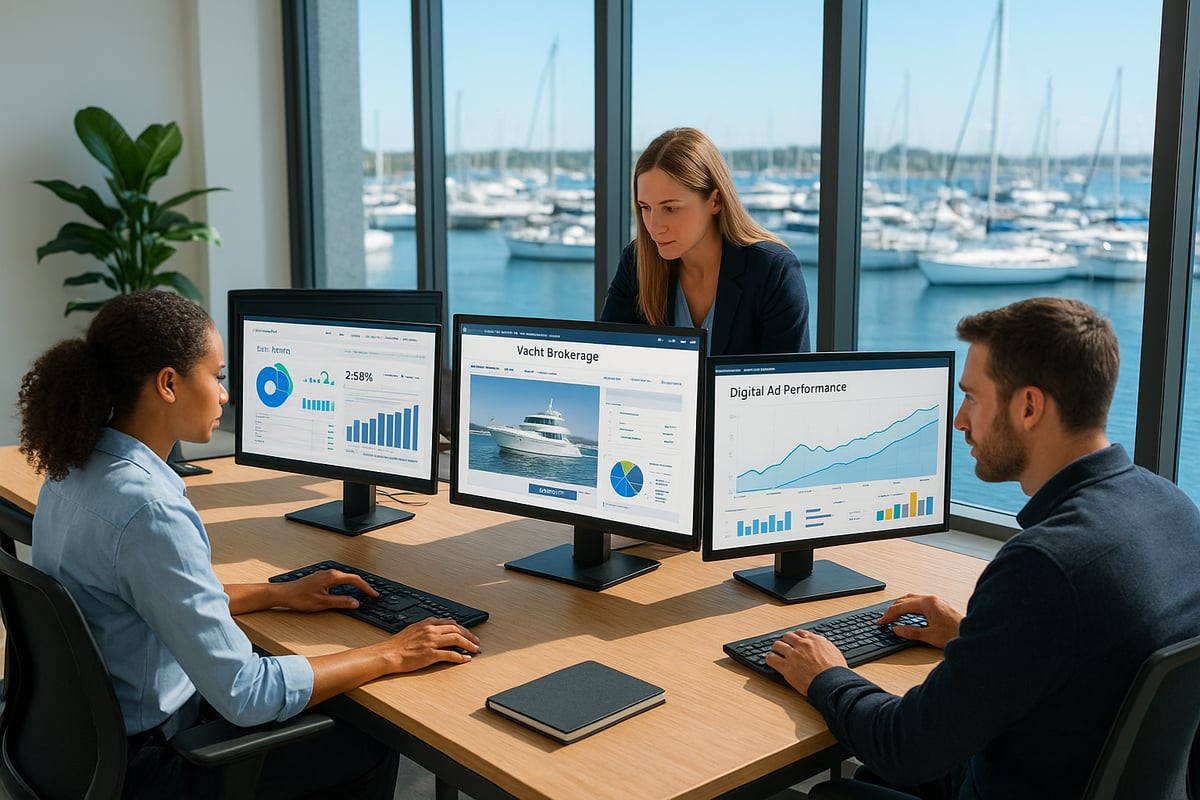
Digital marketing and e commerce are often mentioned together, but their roles are distinct. Digital marketing is all about getting your brand in front of the right audience—boaters, yacht buyers, marina clients—at the right time. It’s the engine that drives awareness and builds demand for your marine business.
Tactics like SEO, PPC, content creation, and social media help you reach niche markets and establish your authority. For example, a marine service provider ranking for “boat repair near me” can fill their sales pipeline with high-intent leads. In fact, 68% of marine customers start their journey with a search engine, so visibility is everything.
But digital marketing doesn’t stop at the sale. Ongoing campaigns nurture customer relationships, encourage referrals, and build loyalty. For marine businesses, that means more repeat bookings, glowing reviews, and steady growth. If you’re not investing in digital marketing and e commerce in tandem, you risk losing out to competitors who are.
E-Commerce: Enabling Online Transactions
E-commerce is where the rubber meets the road. This is the platform where your marine products and services are actually sold. Whether you run an online storefront for boat parts, offer charter slots, or manage course bookings for a sailing school, e-commerce is the transaction layer that turns interest into revenue.
A well-built e-commerce system handles secure payment processing, real-time inventory, and order fulfillment. Marine-specific payment gateways and scalable platforms like Shopify or WooCommerce make it easy to add new products or services as your business grows. With 40% of marine retail sales expected to be online by 2026, e-commerce is no longer optional.
Digital marketing and e commerce complement each other here. Marketing brings in the traffic, but it’s a seamless e-commerce experience that converts those prospects into paying customers. Streamlining operations and expanding your reach is simpler than ever—if you have the right systems in place.
Where They Overlap and Support Each Other
The real magic happens when digital marketing and e commerce work hand in hand. Marketing drives qualified traffic to your e-commerce platform, while e-commerce captures and processes those sales. For example, a Google Ads campaign can boost sales of marine electronics directly on your site.
Businesses that integrate both see up to 30% higher conversion rates. If you want to see how digital marketing efforts turn into real-world leads and sales, check out this guide on lead generation for marine businesses.
Success comes from a blended approach, not siloed tactics. When your digital marketing and e commerce strategies are aligned, you build a stronger, more resilient marine business.
Challenges Unique to the Marine Sector
Marine businesses face some tough challenges. Purchases are often high-value and low-frequency—think yachts or engines—so buyer journeys are longer and more complex. Customers research, compare, and often want an in-person inspection before making a decision.
Seasonality and regional demand spikes can disrupt inventory and fulfillment. Trust is another big factor. Building a reputation takes time, especially when customers are making significant investments.
Charter companies, for example, rely on reviews and video content to build credibility. The key is understanding how digital marketing and e commerce can help you overcome these obstacles, foster trust, and deliver a seamless customer experience from first click to final sale.
Key Differences Between Digital Marketing and E-Commerce in 2026
In 2026, the line between digital marketing and e commerce in the marine industry is sharper and more important than ever. Understanding these differences can make or break your growth strategy, especially as marine buyers become more tech-savvy and competition heats up. Let’s break down what truly sets these two pillars apart for marine businesses.
Strategic Focus and Business Goals
The core difference between digital marketing and e commerce comes down to purpose. Digital marketing is about building your brand’s presence, nurturing leads, and educating your market. It’s the engine that creates awareness and trust among boaters, yacht buyers, and marina clients.
E-commerce, on the other hand, is laser-focused on transactions. The goal is to make sales, process orders, and deliver exceptional customer service with automation and efficiency. For example, a marine dealership might use digital marketing to publish expert guides on winterizing boats, while their e-commerce site lets customers buy the actual winterizing kits.
Both require their own KPIs. Marketing success might be measured in leads or website traffic, while e-commerce tracks sales and fulfillment speed. Without clarity on these differences, marine businesses risk chasing the wrong goals.
Technology and Platform Evolution
Digital marketing and e commerce platforms are evolving at lightning speed. In 2026, digital marketing relies on AI-powered ad platforms, voice search optimization, and ultra-personalized content. Marketers can target customers with remarkable precision, even predicting when a boater might need new gear.
Meanwhile, e-commerce platforms are integrating augmented reality product demos, instant financing options, and mobile-first interfaces. Imagine a marine store using AR to let customers view a propeller in 3D before buying. According to E-Commerce Trends Transforming Shopping in 2026, innovations like agentic payments and virtual influencers are reshaping how marine buyers interact with online stores.
Staying ahead means choosing technology that fits your business model and customer expectations.
Customer Journey and Experience
When it comes to the marine sector, digital marketing and e commerce shape the customer journey in very different ways. Marketing is all about multiple touchpoints—educating, retargeting, and nurturing prospects from the first Google search to the final decision.
E-commerce takes over at the point of transaction. The focus is on a seamless checkout, clear post-purchase communication, and hassle-free returns. For instance, a charter company might use an email drip campaign (marketing) to stay top of mind, then offer one-click booking (e-commerce) when the customer is ready.
The best marine businesses in 2026 deliver a unified experience, blending both strategies for maximum customer satisfaction.
Metrics and Measurement
Measuring success in digital marketing and e commerce requires different tools and mindsets. Digital marketing teams track metrics like impressions, website visits, engagement rates, and lead quality. They want to know how many people saw their Instagram video on sustainable boating.
E-commerce teams, by contrast, look at conversion rates, average order value, and cart abandonment. Did the SEO campaign actually lead to more online bookings? Are customers completing purchases, or dropping off at checkout?
Robust analytics are essential for both, but the numbers you prioritize will depend on your core business goals.
Regulatory and Security Considerations
Compliance is non-negotiable for marine businesses working with digital marketing and e commerce. Marketers must navigate data privacy laws, secure consent for email campaigns, and stay compliant with advertising regulations. E-commerce teams handle even more sensitive ground: PCI compliance, secure payment processing, and GDPR requirements for global buyers.
A single misstep can erode trust and damage your reputation. For example, mishandling customer data on a boat rental marketplace could lead to regulatory fines or lost business.
The takeaway? Invest in ongoing training and the right tech to keep your operations safe and above board.
Benefits and Limitations for Marine Businesses

Advantages of Digital Marketing
Digital marketing and e commerce have revolutionized how marine businesses reach and engage their ideal customers. With digital marketing, you can cast a wide net—attracting both local boaters and global yacht buyers. Campaigns are laser-focused, so you are not just shouting into the void but connecting with people who actually care.
- Global and local reach
- Cost-effective campaigns
- Real-time analytics for quick tuning
For example, a charter company doubled its bookings simply by optimizing SEO and fine-tuning their paid ads. According to Web marketing for marine industry, targeted digital strategies consistently deliver high ROI in the marine sector. Plus, with 52 percent of marine leads coming from organic search, it is clear that digital marketing and e commerce are now essential for growth.
Advantages of E-Commerce
The beauty of digital marketing and e commerce is that your shop never has to close. E-commerce lets marine businesses sell products, services, or even charter slots 24 7, reaching customers in every time zone. There is no need for massive showrooms or extra staff to stay open late.
- Always-on sales platform
- Lower operational costs
- Easy to scale up inventory or offerings
Take a marine parts retailer, for instance. By launching a robust e-commerce site, they expanded internationally without the hassle of building new stores. On top of that, e-commerce drives up the average order value by 18 percent in marine retail. Digital marketing and e commerce together can take a business from local to global, often faster than you would expect.
Limitations and Risks of Digital Marketing
While digital marketing and e commerce open up opportunities, the landscape is fiercely competitive. Ad costs keep rising, and it is easy to get lost among bigger brands if your strategy is not sharp. Plus, staying on top of trends and technology can feel like a full-time job.
- High competition in search and ads
- Steep learning curve for new tools
- Attribution challenges across channels
For example, if a PPC campaign is not carefully managed, it can cannibalize your organic leads, costing more than it returns. The truth is, digital marketing and e commerce require expertise and ongoing attention. A misstep can burn through your budget in no time.
Limitations and Risks of E-Commerce
E-commerce brings its own set of challenges for marine businesses. Technical issues can surface, from payment gateway glitches to inventory sync mishaps. High-value marine purchases, like engines or boats, demand a lot of customer trust—something not always easy to build online.
- Technical maintenance and security demands
- Building customer trust for big-ticket sales
- Logistics for shipping large or delicate items
Picture an online boat sale. Returns and fraud prevention become critical, and a single mishap can hurt your reputation fast. With a 23 percent cart abandonment rate in marine e-commerce, it is clear that digital marketing and e commerce are not just about setting up a store—they demand constant optimization and customer care.
Trends Shaping Digital Marketing and E-Commerce for Marine Businesses in 2026
In 2026, the marine industry is riding a wave of innovation. Owners and marketers are seeing digital marketing and e commerce transform how they connect with boaters, yacht buyers, and marina clients. The trends below are not just buzzwords—they are reshaping the way marine businesses grow, sell, and build loyalty. Let's dive into what matters most right now.
Personalization and AI
Personalization is no longer optional for marine businesses in 2026. Thanks to AI, every customer touchpoint can feel tailored. Smart algorithms now suggest the right marine products—anything from safety gear to luxury yacht upgrades—based on browsing and purchase history.
Chatbots handle instant support, answering questions about parts or charter bookings around the clock. Yacht brokerages use AI to match high-value listings to serious buyers, speeding up the sales cycle. The impact is huge: 60% of marine e-commerce sales are now influenced by AI-powered personalization.
If you want to stay ahead, explore the Digital Marketing Trends 2026, which outlines how AI and personalization are reshaping digital marketing and e commerce across the sector.
Omnichannel Integration
Marine customers expect a seamless journey, whether they are researching online, visiting a marina, or making a purchase from their phone. Omnichannel integration means blending digital marketing and e commerce so that every touchpoint—website, app, email, or in-person—feels connected.
For example, a customer might schedule a service online, then finalize the booking at the marina. Or, they might browse boat accessories on a mobile app and pick them up dockside. Businesses that master this blend see more repeat bookings and stronger loyalty.
Here’s a quick summary of effective omnichannel tactics:
| Channel | Purpose | Example |
|---|---|---|
| Website | Research, booking | Service scheduling |
| Mobile App | On-the-go purchases | Gear pickup at marina |
| Nurture, follow-up | Booking reminders |
This unified approach is the backbone of modern digital marketing and e commerce strategies for marine brands.
Mobile-First and Voice Search
Today’s marine customers live on their phones—literally. In 2026, 75% of marine e-commerce traffic comes from mobile devices. Sites that are not mobile-optimized get left behind. Voice search is also booming, with queries like “find boat rentals near me” growing fast.
Boat rental apps now let users book with a simple tap or even a voice command, making transactions frictionless. If you want to see the numbers, check out Marketing in the Maritime Industry Statistics for up-to-date data on mobile and voice trends.
Mobile-first design and voice integration are now essential for digital marketing and e commerce success in the marine sector.
Sustainability and Ethical Marketing
Sustainability is more than a buzzword—it is a business imperative. Marine buyers care about the environment, and they want transparency. Companies that highlight eco-friendly products or show supply chain transparency stand out from the crowd.
For example, marine retailers now promote sustainable gear online, using digital marketing and e commerce platforms to educate buyers about eco-benefits. Ethical marketing builds trust and sets leaders apart, especially as green regulations tighten.
In 2026, marine businesses that embrace sustainability in their digital marketing and e commerce messaging will win the loyalty of the next generation of boaters.
Choosing the Right Strategy for Your Marine Business
Selecting the best approach for your marine business means understanding your unique goals, audience, and resources. With digital marketing and e commerce evolving rapidly, a tailored strategy can make all the difference. Let's break down how to choose your path to growth in 2026.
Assessing Business Goals and Resources
Start by mapping out what you want to achieve. Are you focused on driving more in-store visits, or are you aiming for 24/7 online sales? For many, digital marketing and e commerce are both vital, but your priorities may shift based on budget, staff, and growth targets.
If your business serves a local market, investing in Local SEO for marine businesses guide is a smart first step. This helps attract nearby boaters and marine clients before scaling up your e commerce presence. Smaller operations often see quick wins by building digital marketing foundations, then layering in e commerce as demand grows.
Careful resource allocation ensures you do not spread yourself too thin. Think about what you can realistically manage now and where you want to be in a year.
Audience and Product Fit
Knowing your buyers is everything. Some marine businesses thrive on high-touch, relationship-driven sales, like yacht brokerages or custom boat builders. Others, such as marine parts retailers or accessory shops, rely more on streamlined transactions.
Digital marketing and e commerce should match your product type and buyer behavior. If your audience researches heavily before purchase, focus on educational marketing content, testimonials, and nurturing strategies. For impulse buys or repeat purchases, a user-friendly e commerce site is crucial.
Look at your sales data and customer feedback. Are clients asking for online booking, or do they prefer in-person consultations? Align your approach with what delivers the best experience for your unique marine audience.
Integration for Maximum Impact
The magic happens when digital marketing and e commerce work together seamlessly. Syncing marketing data with sales analytics helps you understand what drives results, from first touch to final sale.
Automating processes, like email follow-ups after an abandoned booking, can recapture lost revenue and boost customer satisfaction. Unified platforms let you track the full customer journey, making it easier to optimize every step.
A blended approach not only increases efficiency but also ensures your messaging and offers are consistent across channels. This integration is what separates average marine businesses from industry leaders in 2026.
Case Studies: Success Stories from the Marine Industry
Real-world examples prove the value of aligning digital marketing and e commerce. One boat rental company increased online bookings by 63 percent after combining targeted ads with an intuitive booking platform. Another marine product retailer grew sales by 52 percent after launching a mobile-first e commerce site.
Industry research, like Digital Marketing’s Impact on Marine Dealerships, highlights how dealerships leveraging both strategies consistently outperform competitors. The results speak for themselves: integrated tactics drive measurable growth and set the pace for marine businesses in 2026.
As you’ve seen, understanding the real differences between digital marketing and e commerce is critical for marine businesses looking to stay ahead in 2026. The right blend of strategies can mean the difference between riding the wave of steady bookings or struggling with inconsistent results. If you want clarity on how these approaches can drive more bookings and sales for your specific business, let’s discuss your goals and challenges together. You don’t have to navigate the changing digital landscape alone—we’re here to help you build a strategy rooted in real industry experience and measurable results.
Schedule a Free Strategy Call