The marine industry is riding a wave of digital transformation. E commerce and digital marketing are reshaping how marine businesses connect, sell, and thrive—faster than ever before.
With record growth in online marine sales and bookings, there’s never been a better time to rethink your strategy. This guide is tailored for marine business owners ready to master the synergy between e commerce and digital marketing, spot emerging trends, and build future-proof operations for 2026.
You’ll discover practical steps, proven tactics, and expert insights that set industry leaders apart. Ready to navigate the future? Let’s dive in.
The Synergy Between E-Commerce and Digital Marketing in the Marine Industry
The marine industry is riding a digital wave that’s reshaping how business gets done. E-commerce and digital marketing are at the heart of this transformation. But what do these terms really mean for marine brands? Let’s break it down—because understanding the synergy is the first step to unlocking serious growth.

Understanding the Relationship
E-commerce is the platform where marine businesses sell—think online stores for boat parts, charters, or accessories. Digital marketing is how you attract, engage, and convert potential buyers online. These disciplines are distinct, but when you combine them, you get a force multiplier.
Digital marketing fuels e-commerce growth by driving targeted traffic to your site and nurturing those leads toward conversion. For instance, yacht charter companies use PPC campaigns to fill up their booking calendars during peak seasons. Meanwhile, marine retailers leverage SEO to reach global buyers searching for specialized equipment.
It’s not enough to treat e commerce and digital marketing as separate silos. The most successful marine businesses in 2026 will weave both into a unified strategy. This integration amplifies every marketing dollar and ensures your brand stays top of mind, whether someone is booking a charter or browsing for new gear.
For a deeper dive into how these two disciplines intersect and support each other, check out the E-commerce vs Digital Marketing breakdown tailored for marine businesses.
Real-World Synergies and Benefits
The synergy between e commerce and digital marketing unlocks several tangible benefits for marine brands:
- Improved lead quality: Digital marketing enables precise audience targeting. You can craft campaigns for charter clients, boat buyers, or boating enthusiasts, ensuring the right message reaches the right people.
- Branding opportunities: Content marketing and social media help marine businesses build memorable brands. Think of a marine supply shop sharing maintenance tips or a charter company showcasing customer adventures.
- Scalability: Digital platforms let you reach buyers far beyond your local marina. Global expansion isn’t just possible—it’s practical.
- Data-driven insights: Analytics reveal what’s working, from best-selling products to the most effective ad channels. This feedback loop helps refine offers and boost ROI.
- Hybrid model growth: Industry data shows marine businesses that blend physical and digital sales can see up to 30 percent revenue growth compared to single-channel operations.
When e commerce and digital marketing work together, marine businesses become more agile, more visible, and far better equipped to compete on a global scale.
Challenges and Solutions for Marine Businesses
Of course, the journey isn’t all smooth sailing. The marine sector faces unique challenges:
- High competition: Online marine marketplaces are crowded. Standing out takes more than just listing products.
- Seasonality: Sales and bookings often spike in some months and dip in others, making planning tricky.
- Complex customer journeys: Big-ticket purchases like boats or long-term charters involve longer consideration periods and multiple touchpoints.
To tackle these hurdles, marine businesses should embrace:
- Personalized marketing: Use data to tailor offers and content to each customer segment.
- Retargeting: Keep your brand in front of visitors who haven’t converted, reminding them of what you offer.
- Omnichannel strategies: Connect online and offline experiences, ensuring customers can engage however they choose.
By integrating e commerce and digital marketing, marine brands can not only overcome these challenges but turn them into competitive advantages.
Key E-Commerce Trends Shaping Marine Businesses in 2026
The marine industry is experiencing a wave of change, driven by new e commerce and digital marketing trends that are reshaping how businesses connect with customers. As we look ahead to 2026, marine retailers, charter services, and equipment suppliers are all navigating a landscape where innovation and adaptability are crucial. According to E-Commerce Trends Transforming Shopping in 2026, digital transformation is accelerating across every sector, and the marine space is no exception.
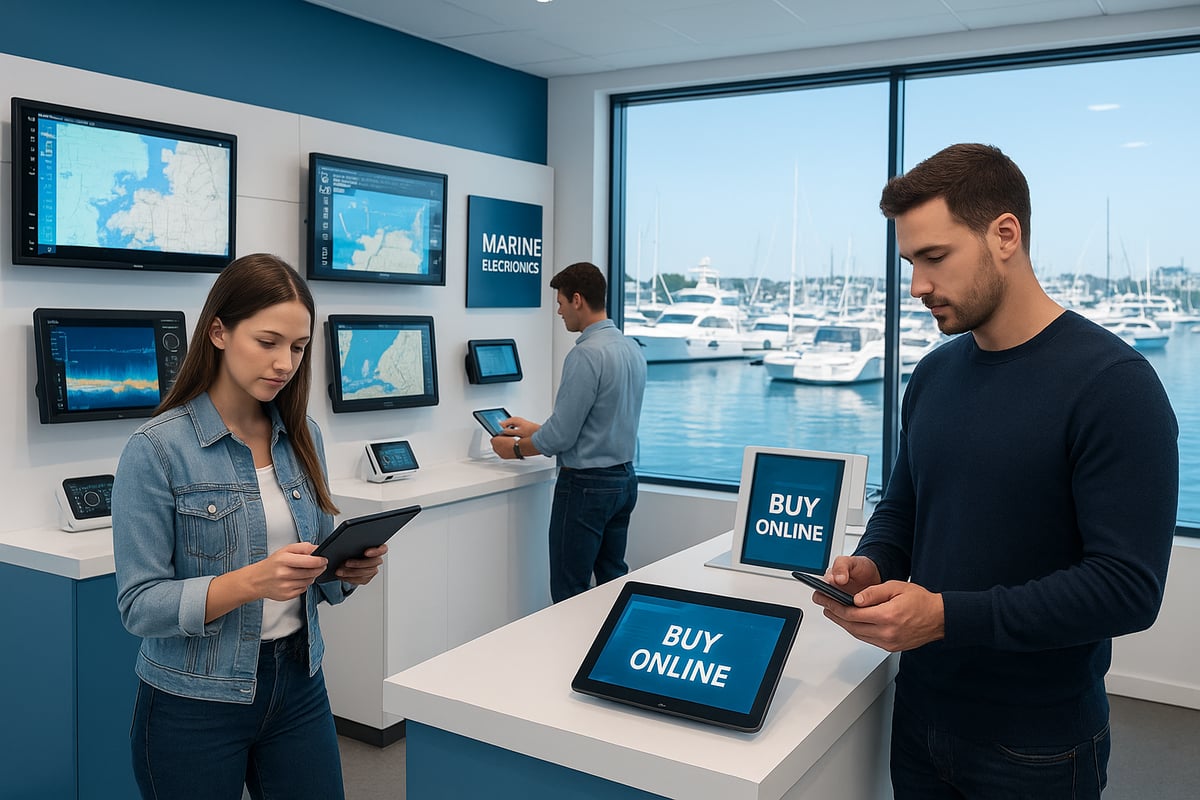
Rise of Niche Marketplaces and Direct-to-Consumer Models
Specialization is taking center stage in marine e commerce and digital marketing. Niche marketplaces dedicated to marine parts, accessories, and services are thriving, giving buyers more targeted choices and sellers direct access to engaged audiences.
Marine businesses are also embracing direct-to-consumer (DTC) strategies. By selling online without intermediaries, companies can control their brand story, gather customer data, and boost margins. It is not just about cutting costs; it is about building relationships and gaining valuable insights into customer needs. In 2026, expect more marine brands to skip traditional distribution and focus on DTC e commerce and digital marketing strategies for growth.
Seamless Customer Experience and Personalization
Customer expectations are rising, and seamless experiences are now table stakes for e commerce and digital marketing success. Marine businesses are investing in 24/7 accessibility, global reach, and multilingual support to serve a diverse clientele.
Personalization is a game changer. From tailored product recommendations to loyalty programs that reward frequent charter clients, personalization keeps customers engaged and coming back. Hybrid marine businesses now report that e commerce accounts for over 30 percent of their revenue, a testament to the power of digital experiences that feel personal and hassle free.
Mobile Commerce and Voice Search
Mobile devices are the new docks for marine shoppers. Whether booking a yacht charter or ordering safety equipment, customers expect smooth, mobile-first experiences. The surge in mobile commerce means your store must be lightning fast and easy to navigate on any device.
On top of that, voice search is changing how people find marine products and services. Optimizing for voice, especially long-tail and “near me” queries, is now part of every effective e commerce and digital marketing playbook. Voice assistants are steering more users toward marine businesses that anticipate their needs and speak their language.
Flexible Fulfillment and Service Delivery
In 2026, fulfillment flexibility sets marine e commerce and digital marketing leaders apart. Businesses now juggle drop shipping, in-house fulfillment, and third-party logistics to keep up with demand for everything from boat parts to fishing gear.
Marine professionals are also offering virtual consultations and online service bookings, making it easier for customers to connect with experts, wherever they are. This shift is about meeting customers on their terms and removing barriers to purchase. Adaptable fulfillment and digital service delivery are now essential for scaling marine operations.
Sustainability and Eco-Friendly Commerce
Eco-consciousness is not just a buzzword—it is a core value shaping e commerce and digital marketing in the marine sector. Customers want sustainable products and transparent supply chains, and they are willing to pay for them.
Eco-friendly boat cleaning products, recycled materials, and carbon-neutral shipping options are gaining traction online. Marine businesses that highlight their green initiatives in e commerce and digital marketing campaigns are building loyal communities and standing out in a crowded market. This trend is only set to grow as environmental awareness deepens.
Building a Future-Proof Marine E-Commerce Store
Building a marine e commerce and digital marketing presence that stands the test of time isn’t just about picking a platform and uploading products. It’s about creating a seamless, trusted experience for boaters, yacht buyers, and marine service seekers. Let’s break down what makes a future-ready marine e-commerce store not just survive, but thrive.
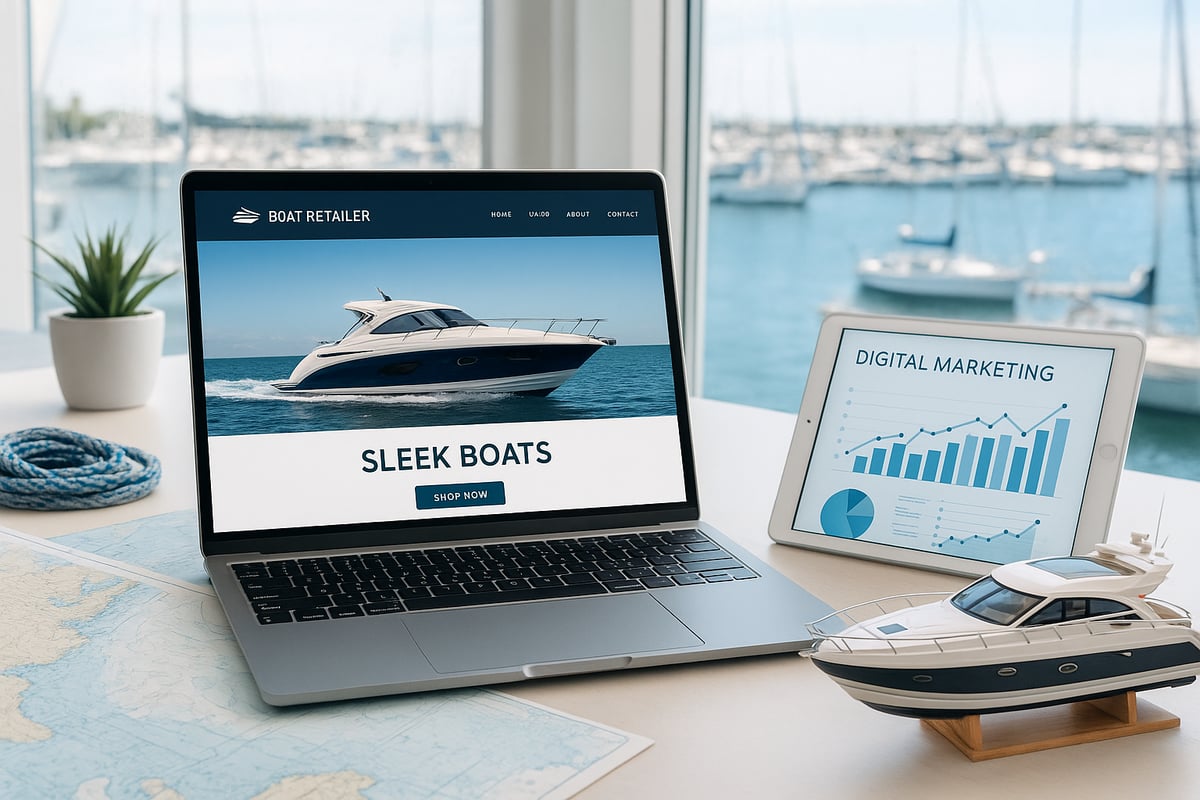
Selecting the Right Platform
Choosing the right e commerce and digital marketing platform is the foundation of future growth. Shopify and WooCommerce are popular picks for their flexibility and plug-and-play integrations. Shopify offers a user-friendly interface and robust app ecosystem, while WooCommerce shines for businesses already invested in WordPress. Industry-specific platforms, like those built for charter bookings or marine dealerships, can deliver tailored features.
Here’s a quick comparison:
| Platform | Pros | Cons |
|---|---|---|
| Shopify | Easy setup, strong support | Monthly fees, less control |
| WooCommerce | Customizable, no monthly fee | Needs more tech skill |
| Marine-specific | Built-in booking, inventory | Niche, may cost more |
On top of that, integration is vital. Sync your store with booking engines, payment processors, and inventory management tools, so everything just works. For a deeper dive into how these choices align with your broader strategy, check out the Digital Marketing and E-Commerce Guide.
Optimizing Store Design and User Experience
User experience can make or break your marine e commerce and digital marketing efforts. A mobile-first design is non-negotiable—most buyers research and shop on their phones now. Fast load times keep impatient customers from bouncing.
Navigation should be intuitive, especially with complex marine catalogs. Think clear categories for boats, accessories, or charters. Visuals matter, too. Use high-resolution images, 360° tours, and spec videos so shoppers can “feel” the product before they buy.
- Keep menus simple and logical
- Highlight featured products or offers
- Add quick-view and comparison tools
Little touches like these can turn casual browsers into loyal customers.
Secure Payments and Trust Signals
Security is the bedrock of any e commerce and digital marketing success. Implement SSL certificates, offer trusted payment options, and provide transparent refund policies. Shoppers need to feel safe before pulling the trigger on a big-ticket marine purchase.
Trust signals go further. Show off customer reviews, industry certifications, and partnership badges front and center. These reassure visitors that your business is established and reliable.
- Use payment logos (Visa, PayPal, etc.)
- Feature real testimonials and star ratings
- Display guarantees or association memberships
These elements quietly build confidence with every click.
Advanced Features for 2026
Staying ahead in e commerce and digital marketing means embracing innovation. AI-powered product recommendations can personalize the shopping journey and increase average order value. Chatbots answer pre-sale questions instantly, even after hours.
Multi-currency and multi-language support open doors to global clients. This is especially critical for marine businesses, where buyers may come from around the world. Automation—like inventory syncing and dynamic pricing—frees your team to focus on growth.
- AI chat for instant help
- Smart recommendations based on browsing
- Localized content for different regions
Investing in these now keeps your store competitive for years to come.
Example: Marine retailer expands globally with localized storefronts and targeted promotions.
Let’s look at a real-world win. A marine retailer specializing in sailing gear wanted to expand beyond their local marina. By investing in robust e commerce and digital marketing solutions, they launched localized storefronts in three regions, each with tailored language and promotions.
The result? A 40% jump in international sales, higher conversion rates, and improved customer loyalty. Their secret was investing in scalable tech and always putting the customer experience first.
Every marine business can take a page from this playbook—future-proofing starts with the right foundation, smart integrations, and a relentless focus on trust and innovation.
Winning Digital Marketing Strategies for Marine Businesses
Digital marketing is the engine behind marine business growth in today’s competitive landscape. If you want to thrive in 2026, you need a modern toolkit and a bold mindset. Let’s break down the most effective e commerce and digital marketing strategies to help your marine brand rise above the waves.

SEO for Marine E-Commerce
Search engine optimization is the anchor of e commerce and digital marketing. Marine customers start their journey online, whether they’re searching for new boats, parts, or charter services. Start with targeted keyword research focused on boating, yachting, and marine service phrases. Optimize every page—product listings, service pages, and your blog—for these terms.
Local SEO is huge if you want to attract boaters in your region. Claim and complete your Google Business Profile, build local citations, and encourage reviews from happy clients. These steps help your business rise in local rankings and earn trust with new customers.
For a practical, step-by-step approach, check out the SEO Checklist for Marine Industry. Use analytics to track rankings and adapt as search trends evolve. Remember, strong SEO is essential for lasting success in e commerce and digital marketing.
PPC and Paid Media
Pay per click advertising lets you reach ready-to-buy marine customers instantly. Platforms like Google Ads are perfect for high intent searches, such as “boat rentals Charleston SC” or “marine engine repair near me.” Craft compelling ads, set clear budgets, and use precise geographic and demographic targeting.
Social platforms like Meta and TikTok are great for visual storytelling. Show off your fleet, highlight customer adventures, or launch a new product line. Retargeting ads keep your brand top of mind, bringing back visitors who didn’t convert the first time.
With PPC, you can track every dollar spent and see real time results. The key is to blend paid ads seamlessly into your e commerce and digital marketing strategy, optimizing campaigns based on data.
Social Media and Influencer Marketing
Social media is where marine brands build identity and connect with their audience. Platforms like Instagram, Facebook, and YouTube are ideal for showcasing boats, sharing behind the scenes moments, and running interactive campaigns.
Partner with marine influencers and content creators to expand your reach. Their authentic voices can introduce your brand to new, engaged communities. User generated content—like customer reviews, testimonials, or trip recaps—adds credibility and inspires trust.
A strong social presence supports every aspect of e commerce and digital marketing. Engage consistently, respond quickly, and always showcase your unique marine perspective.
Email and SMS Marketing
Email and SMS marketing are powerful tools for nurturing leads and driving repeat business. Set up automated campaigns for abandoned carts, booking confirmations, and post-purchase follow ups. It’s a direct way to keep your brand in front of customers without being intrusive.
Segment your lists by customer type—charter clients, retail buyers, service customers. Tailor messages to each group, offering personalized deals, seasonal promotions, or helpful maintenance reminders.
This level of personalization is what sets apart leading marine businesses in e commerce and digital marketing. Monitor open rates and conversions, then refine your approach based on real results.
Content Marketing and Video
Educational content positions your marine business as a trusted resource. Write blog posts featuring maintenance tips, buying guides, and safety insights. These pieces attract organic traffic and help customers make informed decisions.
Video marketing is especially effective for the marine industry. Create virtual boat tours, how to guides, or event recaps to engage your audience visually. Share these videos across your website, social channels, and email campaigns.
For example, a sailing school increased bookings by posting SEO rich blogs and sending targeted emails with video lessons. Consistent content builds authority and supports every facet of e commerce and digital marketing.
Leveraging Data, Tech, and Automation for Sustainable Growth
Navigating the future of marine e commerce and digital marketing means embracing more than just flashy websites and clever ads. It’s about building a tech-driven, data-backed operation that adapts as fast as the tides. Let’s break down what it takes to fuel sustainable growth in the marine industry, from analytics to automation and everything in between.
Analytics and Performance Tracking
Success in e commerce and digital marketing starts with knowing what’s actually working. That means setting up Google Analytics, conversion tracking, and even call tracking for your marine business. These tools reveal which products, ads, or services are bringing in bookings and sales.
On top of that, dashboards make it easy to monitor key metrics daily—think bookings, revenue, and ROI. For marine businesses, tracking seasonality and campaign performance is crucial. Industry data shows that those who master analytics are far more likely to pivot quickly and capture new opportunities. For a deeper dive into how digital strategies have transformed the marine sector, check out Digital Marketing’s Impact on Marine Dealerships.
AI and Automation Tools
AI is changing the game in e commerce and digital marketing for marine brands. Chatbots now handle customer questions instantly, qualify leads, and even recommend products or charters. Automated pricing tools adjust rates based on demand, inventory, or competitor moves—no more manual tweaks every day.
Personalized marketing powered by automation means each visitor gets content, offers, and reminders that truly fit their needs. This isn’t just a trend, it’s the new standard. If you want to stay ahead, review the latest Marine Industry Digital Marketing Trends for 2025 to see how AI is shaping the future.
Customer Relationship Management (CRM)
Building strong relationships is at the heart of marine e commerce and digital marketing. A good CRM helps you track every interaction, from first contact to repeat purchase. With the right system, you can segment clients—like charter guests, boat buyers, or parts shoppers—and send them tailored messages.
Loyalty programs and referral incentives keep happy customers coming back and encourage word of mouth. For marine businesses, nurturing these long-term relationships is a direct path to sustainable growth.
Data-Driven Decision Making
Gut instinct is good, but data is better. Marine businesses thriving in e commerce and digital marketing run A/B tests on landing pages and ads, using real results to guide decisions. Customer data helps refine offers, messaging, and even product development.
The best part? These insights turn small tweaks into big improvements. By reviewing analytics regularly, you’ll spot trends early and adapt before competitors do.
Cybersecurity and Compliance
With all this data, security cannot be an afterthought. Protecting customer information is a must for any marine e commerce and digital marketing strategy. Use SSL certificates, secure payment processors, and stay up to date with regulations like GDPR and CCPA.
Trust is everything in this industry. A secure, compliant operation builds confidence with customers and sets your marine business apart.
Step-by-Step Blueprint: How to Succeed with E-Commerce and Digital Marketing in 2026
Ready to take your marine business to the next level? Here’s a practical blueprint tailored for the unique challenges and opportunities in the marine industry. With the right approach, e commerce and digital marketing can drive consistent growth, boost bookings, and set your brand apart in 2026.
Step 1: Audit and Set Goals
Start with an honest assessment of your current digital presence. Are your e commerce and digital marketing strategies aligned with your business goals? Review website analytics, sales data, and customer feedback. Identify what’s working and where there are gaps. Set clear, measurable targets—whether that’s more bookings, higher sales, or improved margins. This foundation guides every decision that follows.
Step 2: Choose the Right Tech Stack
Select the best platforms and tools for your business model. In the marine sector, this means e commerce solutions that integrate with booking engines, inventory, and payment gateways. Consider CRM systems for managing leads and marketing automation for efficiency. When choosing your tech stack, prioritize flexibility and scalability, so your e commerce and digital marketing can adapt as your business grows.
Step 3: Optimize Your Online Store
Make your website mobile-first, lightning-fast, and easy to navigate. Use high-quality visuals—think 360° boat tours and detailed spec sheets. Implement secure payment options and clearly display trust signals like reviews and certifications. Localize content for key markets. These steps ensure your e commerce and digital marketing efforts convert visitors into loyal customers.
Step 4: Launch and Integrate Digital Marketing Campaigns
Now it’s time to put your strategy into action. Deploy SEO, PPC, social media, and email marketing in a coordinated plan. Set up retargeting and conversion tracking to capture every opportunity. For paid campaigns, follow specialized guides like How to Set Up a Google Ads Campaign to target high-intent marine customers and maximize ROI.
Step 5: Monitor, Analyze, and Refine
Use analytics tools to track results in real time. Monitor bookings, sales, and campaign performance. Identify bottlenecks and adjust tactics based on data. Update your content, offers, and strategies regularly to keep your e commerce and digital marketing efforts fresh and effective.
Step 6: Scale and Innovate
Once your foundation is solid, explore new markets and add services or products. Test emerging technologies like AI-powered chatbots or AR boat tours. Stay ahead by following Key E-Commerce Marketing Trends for 2026 to spot opportunities for innovation and sustainable growth.
Marine businesses that follow this blueprint—like a recent client who doubled bookings by adapting quickly—see real, measurable results. With e commerce and digital marketing, you’re not just keeping up, you’re leading the way.
As you’ve seen, thriving in the rapidly evolving world of marine e commerce and digital marketing means staying ahead of trends, integrating your strategies, and using data to drive every decision. By focusing on customer experience, leveraging the right technology, and adapting to new opportunities, you can position your business for sustainable growth and year round bookings. If you’re ready to turn these insights into real world results for your marine business, let’s take the next step together—Schedule a Free Strategy Call to discuss a tailored roadmap for your success in 2026 and beyond.