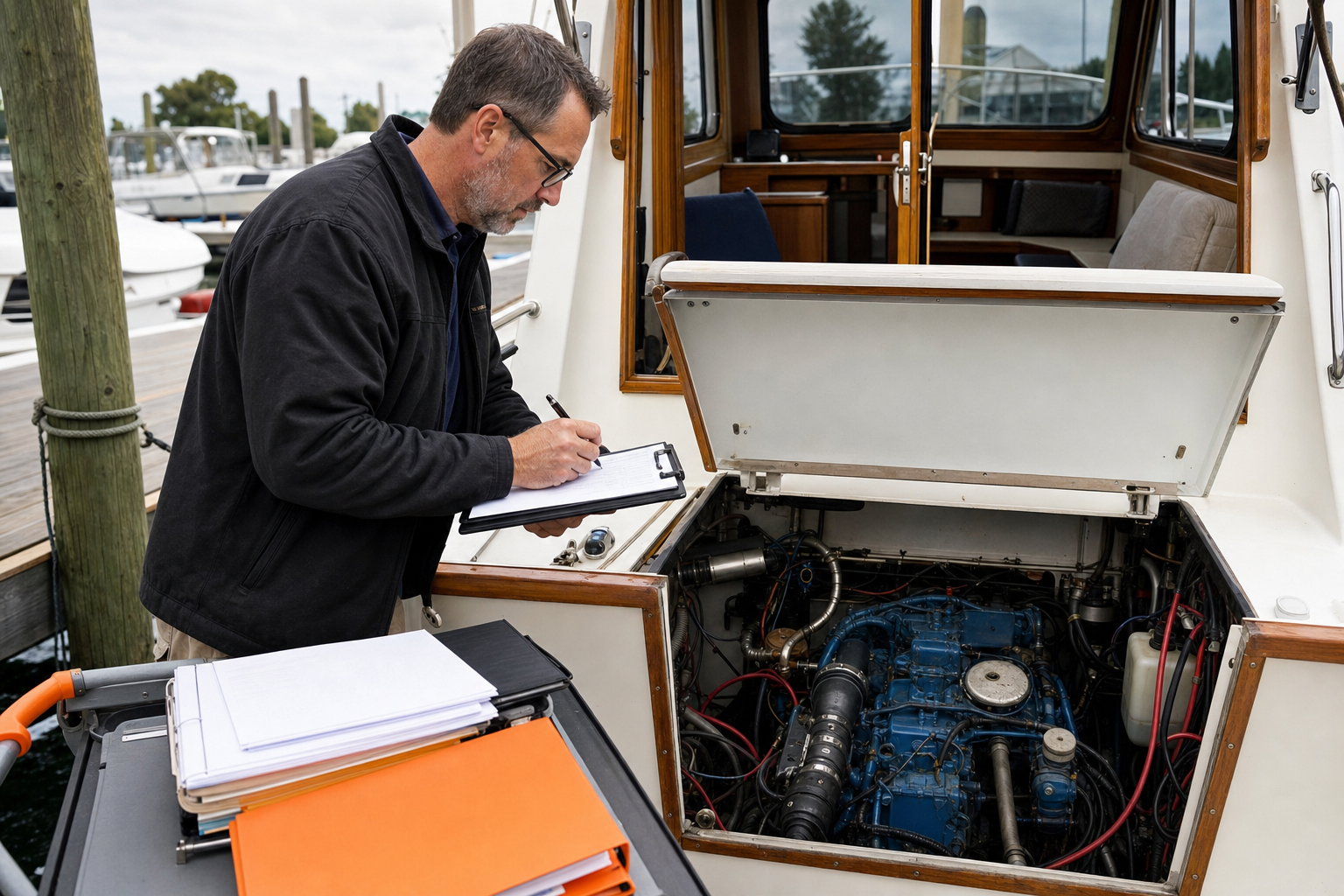
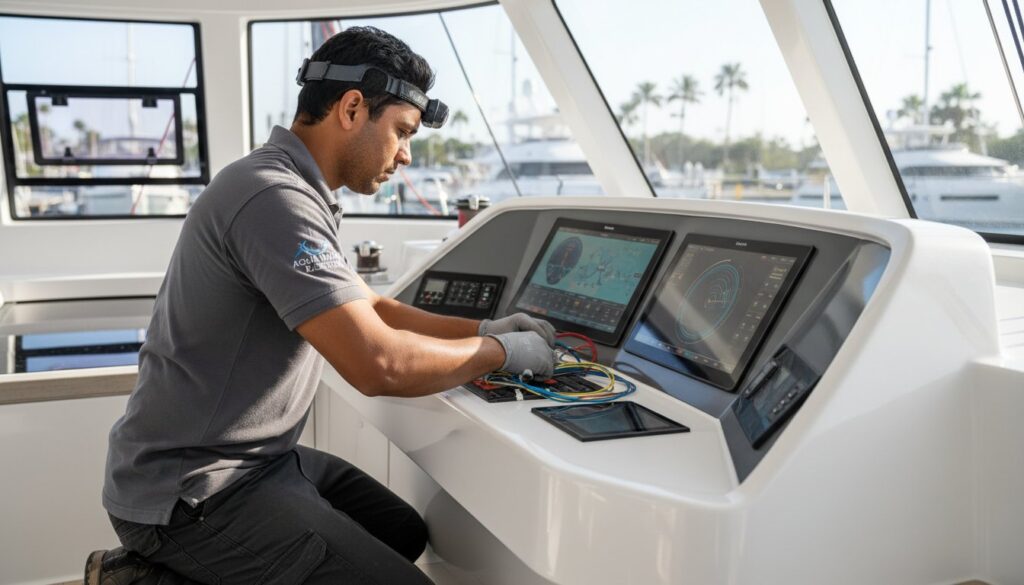
Stop treating your business like an emergency room for neglected bilge pumps. You didn’t spend years mastering NMEA 2000 networks and ABYC standards just to chase $150 “quick fix” calls that barely cover your fuel and insurance. Most marine electrical shops are stuck in a feast-or-famine cycle because they let the phone dictate their schedule. If you’re tired of quoting tire kickers who balk at the price of quality components, it’s time to change how you approach marketing for marine electricians. You need a system that filters out the noise and captures the high-margin refits your business actually needs to scale.
You know that a single lithium conversion or full helm redesign is worth twenty emergency troubleshooting calls, yet the low-value inquiries keep flooding in. I’ll show you how to use a targeted demand control system to stop reacting to the market and start dictating which projects land on your bench. We’ll break down the specific strategies to dominate local search for high-value terms and force your schedule into a predictable, profitable rhythm.
Key Takeaways
- Identify the operational shift required to move from low-margin emergency repairs to high-value, scheduled electrical refits.
- Learn why generic SEO fails and how to focus your marketing for marine electricians on high-intent technical searches like lithium-ion upgrades and Victron installations.
- Discover the 5-step demand filtering process designed to disqualify “quick fix” inquiries before they waste your time or disrupt your crew.
- Apply the Marine Demand Control System to enforce schedule stability and protect your margins while scaling toward a $5M operation.
The ‘Busy but Broke’ Trap in Marine Electrical Operations
You’re working 70 hours a week, your technicians are exhausted, and your service vans are constantly on the move. Yet, at the end of the month, the net profit doesn’t reflect the chaos. This is the “Busy but Broke” trap. It occurs when your business relies on high labor hours for low-margin emergency repairs. Without effective marketing for marine electricians, you’re stuck in a reactive cycle, waiting for the next “boat won’t start” call instead of booking high-value system upgrades.
Reactive operations are at the mercy of the weather and equipment failure. Proactive operations control their schedule by targeting specific project types. By 2026, boat owners will demand more than simple wiring. They’re installing Starlink for remote work, massive Victron lithium banks for silent nights at anchor, and AI-driven monitoring systems. These clients don’t want a “sparky” who fixes broken lights. They want a specialist who understands the complex ecosystem of modern marine electronics and power management.
Vanity traffic is the silent killer of your margins. If your marketing brings in every weekend warrior with a corroded fuse block, you’re wasting time on low-intent leads. These inquiries eat up your office staff’s time and disrupt your shop flow. Real growth requires a system that filters for quality over volume, ensuring you only talk to owners of vessels that justify your expertise.
Why Emergency Repairs Are Killing Your Margins
Emergency repairs are profit killers because they’re unpredictable and logistically heavy. Spending 90 minutes in traffic for a 30-minute diagnostic on a 25-foot center console is a losing game. These one-off hurdles prevent you from scheduling high-value refits that require consecutive days of focused labor. Technician productivity often drops by 25% when they’re pulled off a $20,000 refit to handle a “no power” emergency at a distant marina. This fragmentation of the schedule destroys your billable efficiency.
The Shift to High-Value System Design
The most profitable marine electrical businesses focus on “Golden Projects.” These are full-vessel refits, including NMEA 2000 backbone installations and complex solar integration. These projects require a specialized approach to marketing for marine electricians that emphasizes technical authority over mere availability. You aren’t selling hours; you’re selling a reliable, offshore-capable power system. Positioning your business as a specialist operator allows you to command higher rates and secure a stable, predictable project pipeline that keeps your bays full and your margins healthy.
Why Generic SEO Fails Marine Electricians
Most agencies don’t know the difference between a residential breaker panel and a 24V DC system on a 60 foot sportfish. When you hire a generalist firm, they apply a “house and home” strategy to your marine business. This is why 85% of generic marketing campaigns for marine contractors fail to produce a return. They optimize for “electrician,” which floods your phone with homeowners asking about ceiling fans. Effective marketing for marine electricians requires filtering out the noise before it hits your inbox.
Ranking for “boat repair” is a fast track to low-margin burnout. It attracts every weekend warrior with a corroded battery terminal on a 15 foot skiff. These leads waste your diagnostic time and haggle over hourly rates. You don’t need more leads; you need qualified inquiries from owners of vessels with complex power requirements. Capturing high-intent demand for complex electrical refits requires understanding the shift toward sustainable marine energy technology and how it integrates with modern vessel systems.
- Generic agencies target keywords with zero commercial intent.
- Generalist SEO ignores the seasonal nature of the marine industry.
- Broad traffic leads to operational friction and wasted fuel costs.
The Problem with ‘Agency Speak’ and Vanity Metrics
A typical agency will brag about “increased traffic” or “first page rankings.” These are vanity metrics that don’t account for your schedule stability or profit margins. If your traffic goes up 40% but the visitors don’t own a yacht, your business is in a worse position. Stop accepting vague reports. You need auditable tracking that connects a search term to a high-value service contract. Learn how we fix this in our guide to Digital Marketing for Marine Contractors.
Industry-Native SEO: Speaking the Language of the Yard
High-net-worth yacht owners and professional captains spot a generalist immediately. If your website uses the term “converter” when a client is looking for an inverter/charger configuration, you’ve already lost the lead. Digital authority is built through technical precision. You must highlight your ABYC and NMEA certifications as primary trust signals. We use these specific identifiers to build a Marine Demand Control System that positions you as the only logical choice for high-stakes electrical work. This specialized marketing for marine electricians ensures you spend your time on $10,000 refits rather than $200 troubleshooting calls.
Capturing High-Intent Demand for Complex Electrical Refits
High-value refits don’t start with a frantic phone call about a dead engine. They begin months earlier in the research phase. When a yacht owner decides to move from lead-acid to lithium, they aren’t looking for a “sparky”; they’re looking for a system architect. Effective marketing for marine electricians requires appearing at the exact moment an owner types “Victron Quattro installation” or “Lithium-ion marine battery upgrade” into a search engine. These specific queries act as a filter, instantly separating high-budget projects from low-margin repair work.
To dominate this space, your content must pivot from “we fix things” to “we design systems.” This is the core of the Demand Visibility pillar. You win by publishing technical case studies and system diagrams that mirror the complexity of the projects you want to win. If your website shows a schematic of a 24V house bank integrated with dual alternators and a Cerbo GX touch screen, you’ve already proven more than a dozen competitors who only show photos of their van. You’re no longer competing on hourly rates; you’re competing on technical authority.
Dominating the Lithium Conversion Market
By 2026, the term “Lithium boat battery” has evolved from an experimental upgrade to a standard expectation for offshore cruisers. However, skepticism remains regarding safety and insurance compliance. You capture this market by positioning your shop as the local authority on ABYC E-13 standards. Don’t just list products. Explain how you mitigate thermal runaway risks and ensure alternator protection. When you address these specific technical anxieties, you stop being a vendor and start being a necessary partner for the owner’s peace of mind.
NMEA 2000 and Integrated Electronics
The demand for glass bridge upgrades is a gateway to total system control. Owners want their Garmin or Raymarine displays to talk to their tank sensors, engine data, and lighting circuits. This level of integration is a luxury service because it promises “System Stability,” a rare commodity in the marine world. Marketing for marine electricians in this niche focuses on your ability to solve the NMEA 2000 “data collisions” and voltage drops that paralyze less experienced shops. Showcasing your diagnostic process for complex sensor networks proves you can handle the work others avoid, allowing you to command premium margins for your specialized knowledge.
- Target the Research Phase: Create content for owners planning six months out.
- High-Intent Keywords: Focus on component-specific terms like “MultiPlus-II 2x120V” to find buyers with open wallets.
- Visual Proof: Use CAD drawings or clean wiring photos to demonstrate your “system” approach.
Demand Filtering: Eliminating the ‘Quick Fix’ Inquiries
Most marketing for marine electricians fails because it casts too wide a net. You end up answering frantic calls for $150 bilge pump swaps or troubleshooting a single cabin light when you should be quoting $25,000 lithium power upgrades. Our Marine Demand Control System uses a 5-step filtering process to stop the bleeding of your billable time. This system ensures that only the most profitable, high-scope projects make it to your desk.
The process starts with your website acting as a 24/7 digital gatekeeper. You don’t need more leads; you need better ones. By clearly defining your project scope and focusing on complex refits, you train the search engine algorithms to stop sending you “handyman” work. When your content consistently discusses 100-amp charging systems and NMEA 2000 backbone stability, the system naturally filters out the low-margin “quick fix” crowd.
Setting the Standard on Your Site
Your content must speak the language of a yacht owner or a professional captain, not a weekend tinkerer. High-value clients look for technical mastery. Publish detailed case studies that highlight your work on specific systems, such as a full Victron Energy integration on a 50-foot catamaran. This level of technical detail scares off the “DIY-ers” who just want free advice and attracts the “Pro-seekers” who value expertise over the lowest hourly rate. If your current provider doesn’t understand the difference between a busbar and a galvanic isolator, it’s time to learn about Choosing a Marine Digital Marketing Agency that actually knows the water.
Automating the Qualification Process
Stop wasting hours on manual screening calls. Use interactive quote tools that force prospects to provide technical data before they ever get a minute of your time. Ask specific questions like “What is your current battery bank chemistry?” or “Are you looking for a 12V, 24V, or 48V system architecture?”
If a prospect cannot or will not answer basic questions about their vessel’s electrical layout, they aren’t ready for a professional refit. Implementing these automated filters typically reduces administrative waste by 40% within the first three months. This allows you to focus on Active Buyer Capture, ensuring your calendar stays full of projects that maximize your margins and schedule stability. Effective marketing for marine electricians is about building a wall against the wrong work so you have the capacity for the right work.
Scaling Your Operations with the Marine Demand Control System
Most marketing for marine electricians fails because it focuses on volume over value. If you’re doing $1.2M in revenue but your technicians are constantly redirected to 1-hour emergency calls, your margins are dying. The Marine Demand Control System is the only framework built for operators between $300k and $5M. It moves your business from reactive firefighting to proactive schedule enforcement.
This system isn’t about getting more phone calls. It’s about getting the right phone calls. We apply four specific pillars to stabilize your electrical shop:
- Active Buyer Capture: We target yacht owners specifically searching for high-ticket installations like lithium battery conversions or NMEA 2000 backbone overhauls.
- Demand Filtering: We qualify leads before they hit your desk, ensuring you don’t waste time quoting 20-foot center consoles with a blown fuse.
- Demand Visibility: We position your business as the local authority for specialized brands like Victron, Mastervolt, or Garmin.
- Demand Compounding: We use your successful projects to dominate local search results, making it impossible for high-value clients to find anyone else.
The results are tangible. One partner moved from an 80% emergency repair workload to a 6-month backlog of full-system refits within two quarters. They stopped chasing $200 service calls and started booking $25,000 projects.
From Marketing to Growth Partner
We reject the “agency” label. Agencies care about clicks; we care about your operational margins. Our process begins with an audit of your current job mix. If 40% of your labor is wasted on low-margin troubleshooting for non-repeat customers, we fix that first. We act as a growth partner to ensure the work coming in matches the technicians you have on staff. For a deeper look at our philosophy, read our Ultimate Guide to Marine Marketing.
The Bottom Line for Marine Electricians
In the first 90 days of a Demand Control implementation, expect a shift in lead quality. You’ll stop hearing from tire kickers and start seeing inquiries for complex electrical overhauls. Owning your local market for specialized services like thermal imaging or custom panel fabrication creates a barrier to entry that competitors can’t touch. Marketing for marine electricians should result in a predictable calendar, not a ringing phone that you’re too busy to answer.
It’s time to stop letting the phone control your life and start controlling your demand. If you’re ready to move past the “busy but broke” cycle, contact us today for a no-BS business analysis. We’ll look at your current job mix and show you exactly where your margins are leaking.
Take Command of Your Service Schedule
Most marine electricians stay trapped in a cycle of chasing small repairs while five-figure lithium battery refits go to the competition. Effective marketing for marine electricians isn’t about getting more calls. It’s about getting the right calls. You need a system that filters out the time-wasters and captures vessel owners ready for professional ABYC and NMEA standard upgrades.
Our Marine Demand Control System was built specifically for operators in the $300k to $5M revenue range who are tired of generic agency fluff. We help you dominate the local service yard by positioning your expertise where it matters most. Stop letting your margins get eroded by disorganized demand and start building a predictable, high-value backlog.
Request Your No-BS Marine Electrical Demand Analysis
The high-value refit season is already booking up, so secure your spot today and start working on the projects you actually want.
Frequently Asked Questions
How do I stop getting so many calls for small $150 repair jobs?
You stop these calls by implementing a demand filtering system that prioritizes high-value refits over minor repairs. Most marine electricians make the mistake of listing every service they provide, which invites low-margin troubleshooting calls. By focusing your website and ads specifically on $10,000 lithium conversions or full helm electronics upgrades, you filter out the “quick fix” boaters before they ever dial your number.
Is SEO actually effective for specialized services like marine electrical refits?
SEO is the most effective way to capture high-intent owners searching for specialized services like NMEA 2000 backbone installations or solar arrays. When you execute marketing for marine electricians correctly, you aren’t just ranking for general terms; you are dominating search results for “marine lithium battery installation” in your specific service area. This ensures that when a 50-foot sportfish owner needs a total rewire, your business is the only logical choice they see.
What are the most profitable keywords for a marine electrician in 2026?
The most profitable keywords focus on high-margin hardware and complex integration rather than general repair. Terms like “Victron Energy certified installer,” “marine Starlink integration,” and “yacht lithium battery conversion” carry the highest contract values. These keywords attract owners of vessels over 40 feet who are looking for stability and performance, not just a cheap fix for a blown fuse.
Do I need to be ABYC certified for my marketing to be effective?
ABYC certification is a powerful trust signal that justifies your premium rates and filters out price-shoppers. While you can run marketing without it, displaying the ABYC logo on your landing pages immediately signals to yacht owners and captains that you follow safety standards they recognize. It transforms your marketing from a “guy with a multimeter” pitch into a professional service yard alternative that commands higher margins.
How much should a marine electrical business spend on digital marketing?
A healthy growth budget typically ranges from 5% to 10% of your target annual revenue, depending on your local competition. If you are aiming for $1,000,000 in refit volume, reinvesting $50,000 into a system that controls your lead flow is standard for the marine industry. This investment should be viewed as an operational cost for securing high-margin projects rather than a discretionary expense.
Can a marketing system really help me schedule refits months in advance?
Yes, a dedicated system creates a predictable pipeline by capturing demand during the off-season and filling your schedule for the spring. By using marketing for marine electricians to target owners planning winter refits, you eliminate the “feast or famine” cycle common in service yards. This allows you to book out your calendar three to four months in advance, giving you the stability to hire additional technicians or invest in better diagnostic tools.
Why shouldn’t I just use a local generalist SEO agency?
Generalist agencies don’t understand the difference between a busbar and a breaker, and they certainly don’t understand the seasonal nuances of the marine market. They will waste your budget on “vanity traffic” from people looking for car battery help because they don’t know how to filter for boat owners. You need a partner who speaks the language of the shipyard and understands the technical requirements of a complex marine electrical system.
What is the ‘Marine Demand Control System’ and how is it different from Google Ads?
The Marine Demand Control System is a proprietary growth framework that combines active buyer capture with strict lead filtering to ensure you only talk to qualified prospects. Unlike standalone Google Ads, which just send raw traffic to your site, this system manages the entire journey from the first search to the signed contract. It’s designed to give you total control over your schedule and your profit margins by prioritizing the jobs you actually want to do.