Is your marine business ready to ride the next wave of e commerce and marketing in 2026? The digital landscape is evolving at lightning speed, and marine businesses that hesitate risk getting swept aside by competitors already embracing innovation. This guide is built for marine industry leaders who want to future-proof operations and seize new opportunities. Inside, you'll discover the latest trends, must-have technology, customer-focused strategies, advanced marketing moves, and a clear, actionable roadmap for 2026 success. Ready to unlock measurable growth? Dive in and let’s chart your course for the future.
The 2026 E-Commerce Landscape for Marine Businesses
The e commerce and marketing landscape for marine businesses is evolving at breakneck speed. Today’s consumers expect more than just a basic website—they want seamless digital experiences, personalized options, and instant access to information. For marine businesses, staying ahead means embracing the changes shaping how buyers discover, evaluate, and purchase everything from boat parts to charters. Let’s break down what’s really transforming the industry as we head toward 2026.
Shifting Consumer Behaviors in the Marine Sector
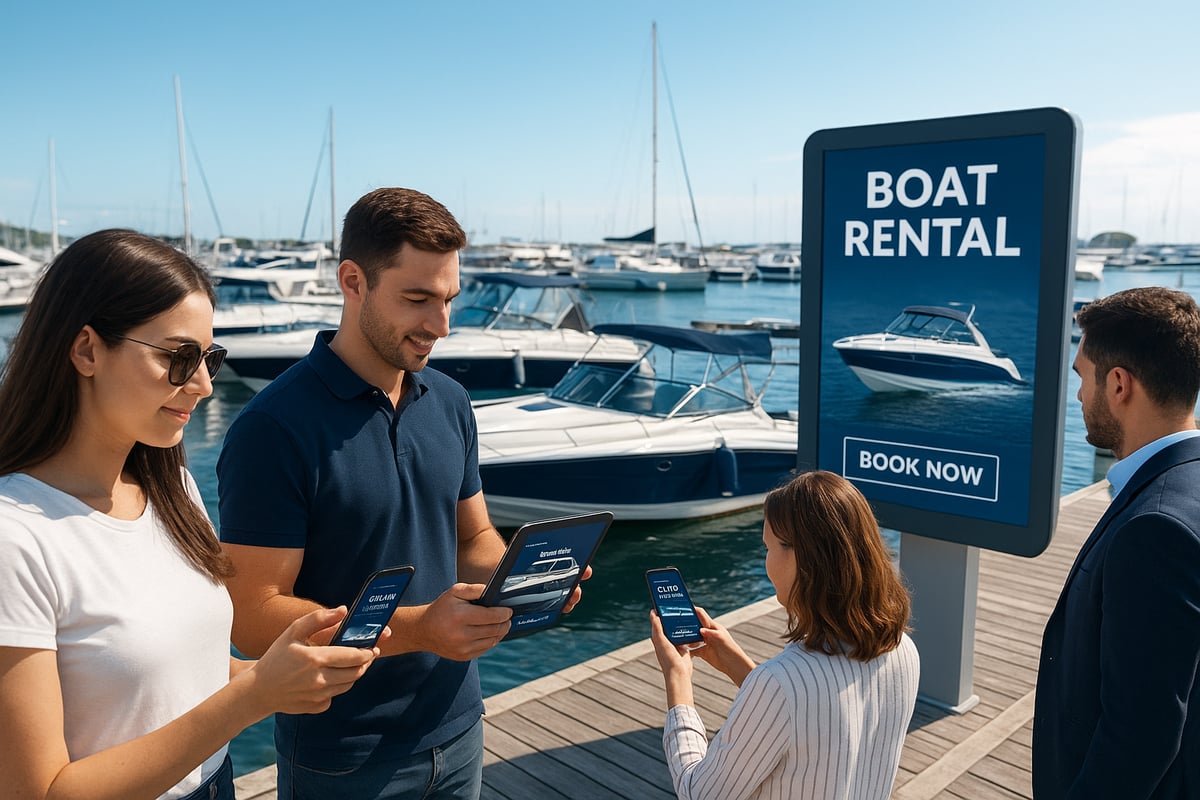
Marine consumers are no longer satisfied with slow, outdated online experiences. There’s a growing demand for seamless online booking and purchasing, especially as mobile-first browsing becomes the norm. In fact, 65% of marine equipment buyers now start their search online (Boating Industry, 2024), showing just how critical e commerce and marketing have become in the decision process.
Customers now expect:
- Instant quotes and transparent pricing
- Live inventory updates
- Effortless navigation from any device
Social proof plays a huge role, too. Reviews and testimonials can make or break sales. And let’s not forget sustainability—eco-friendly products are more popular than ever, influencing buying decisions across the sector.
Key E-Commerce Trends Impacting the Marine Industry
The e commerce and marketing landscape is being shaped by bold, tech-driven trends. AI-powered product recommendations and chatbots are making shopping smoother and smarter. Augmented and virtual reality (AR/VR) are allowing virtual tours of boats and marinas, giving customers confidence before they buy. Subscription services for marine products are on the rise, while voice search is making hands-free browsing a reality.
Yacht charter companies, for example, are seeing 30% higher conversion rates by offering virtual walkthroughs. According to E-Commerce Trends 2026: Bold Predictions, AI is set to evolve from a tool to an autonomous agent, revolutionizing digital commerce. Staying current with these trends isn’t optional—it’s the new playing field.
Regulatory and Security Considerations
With greater adoption of e commerce and marketing comes increased scrutiny from regulators. Data privacy laws are tightening, with new regulations specifically targeting online marine transactions. PCI DSS compliance is now a must-have for marine e-commerce sites, while SSL certificates and secure payment gateways are non-negotiable.
Marine retailers also face growing cyber threats. In 2025, one in five small marine businesses was targeted by cyberattacks, highlighting the importance of robust security measures:
- Regular security audits
- Staff training on phishing and scams
- Secure customer data storage
Ignoring these essentials could spell disaster for digital operations.
Competitive Analysis: What Top Performers Are Doing Differently
Top marine e commerce and marketing performers are setting the standard. They invest in omnichannel experiences, connecting web, mobile, social, and even offline touchpoints for a unified customer journey. Advanced analytics allow them to personalize offers and predict trends.
These leaders also offer flexible payment options, like financing and crypto, and build authority through content-driven commerce: think blogs, how-tos, and engaging video. The results speak for themselves—the top 10% of marine e-commerce brands grew 2.5 times faster in 2025 (NMMA) than their peers.
The Cost of Inaction
Falling behind in e commerce and marketing carries real risks. Outdated websites and clunky booking processes lead to lost revenue and missed opportunities. If you’re invisible in search results or lagging on social platforms, competitors will capture your market share.
A cautionary tale: One marine parts retailer lost 40% of sales after neglecting mobile optimization. The lesson? Staying current with digital trends isn’t just smart—it’s essential for survival and growth in today’s marine industry.
Building a Future-Proof Marine E-Commerce Platform
The marine industry is facing a tidal wave of change. To stay ahead, your e commerce and marketing strategy must be built on a future-proof digital foundation. Let’s break down the essentials for a robust, scalable, and customer-focused marine e-commerce platform that’s ready for 2026 and beyond.

Choosing the Right E-Commerce Technology Stack
Selecting the best technology stack is critical for e commerce and marketing success in the marine sector. Popular platforms like Shopify, WooCommerce, and Magento all offer different strengths. Shopify is known for its ease of use and marine-specific apps, such as “Book a Charter.” WooCommerce excels in flexibility and integration options, while Magento is powerful for larger operations needing customization.
Here’s a quick comparison:
| Platform | Best For | Marine Plugins | Hosting |
|---|---|---|---|
| Shopify | Turnkey e-commerce | Book a Charter App | Cloud |
| WooCommerce | Customizable solutions | Marine extensions | Self or Cloud |
| Magento | Enterprise scale | Advanced add-ons | Self or Cloud |
Mobile responsiveness and PWA compatibility are must-haves, ensuring your e commerce and marketing efforts reach customers on any device. For a deeper dive, explore Digital marketing and e-commerce strategies that blend platform selection with growth tactics.
Seamless Online Booking and Inventory Management
A seamless booking and inventory system is the backbone of marine e commerce and marketing. Real-time calendar integrations allow customers to book charters or rentals instantly. Platforms like Dockwa let marinas offer immediate slip reservations, syncing availability across your website, Google, and third-party marketplaces.
Automated quote generation and invoicing speed up customer interactions. Smart automation reduces manual admin, freeing your team to focus on more value-added tasks. Keeping inventory synchronized prevents double-bookings and ensures customer trust, reinforcing your reputation in a competitive market.
Payment Gateways and Financing Options
Marine transactions often involve high-value purchases, so your e commerce and marketing platform must support a range of secure payment methods. Accepting ACH, wire transfers, and credit cards is standard, but adding “buy now, pay later” options or integrated financing can boost conversions for big-ticket items.
Fraud prevention features and secure checkout flows are essential. Klarna and similar services are gaining traction among boat dealers, offering customers flexibility. Supporting international payments opens your business to a global audience, maximizing reach and revenue.
User Experience (UX) Design for Marine Audiences
User experience makes or breaks e commerce and marketing in the marine industry. Intuitive navigation, clear calls-to-action, and fast mobile-first layouts are non-negotiable. Visual storytelling—think high-res photos, 360° tours, and video demos—builds trust and inspires action.
Accessibility is vital. Adhering to WCAG standards ensures your platform serves all users, including those with disabilities. Interactive maps and engaging design elements keep visitors exploring longer, increasing the likelihood they’ll book or buy.
Integrating AR, VR, and AI for Enhanced Shopping
Advanced technologies are redefining e commerce and marketing for marine businesses. Virtual boat tours and marina walkthroughs powered by AR and VR let shoppers experience vessels from anywhere. AI-driven chatbots provide 24/7 support, answering questions and guiding customers through the buying process.
Personalized recommendations based on browsing history drive higher engagement and sales. AI can also predict inventory needs and emerging trends, helping you stay ahead of demand. Many marine retailers are seeing up to 20% more demo requests after implementing AR features.
Data Security and Compliance for Marine E-Commerce
Security is non-negotiable for e commerce and marketing platforms. Compliance with GDPR, CCPA, and marine-specific privacy standards protects your customers and your brand. Regular security audits, penetration testing, and secure data storage are essential practices.
Staff training on cybersecurity reduces the risk of breaches. Secure payment gateways and SSL certificates build customer trust. A compliance checklist tailored to marine retailers helps ensure nothing is overlooked, keeping your business safe as regulations evolve.
Customer-Centric Marketing Strategies for 2026
Is your marine business ready to put customers at the center of your e commerce and marketing strategy? In 2026, it's not just about selling products or services, it's about creating tailored experiences that drive loyalty, repeat bookings, and lasting relationships. Let's break down the proven tactics marine leaders are using to stay ahead.
Personalization and Segmentation for the Marine Market
Personalization is the heart of effective e commerce and marketing. Start by segmenting your audience—think boat owners, renters, and service clients. Use CRM data to narrow by boat type, preferred destinations, or even maintenance needs.
Dynamic website content greets users with relevant offers. Automated emails remind customers about abandoned carts or seasonal services. SMS and push notifications keep your brand top-of-mind.
Many marine businesses report a 28% boost in repeat bookings after rolling out personalized charter offers. If you're searching for more ways to future-proof your approach, check out marine marketing solutions and trends for up-to-date tactics that work.
Content Marketing that Converts Marine Shoppers
Winning e commerce and marketing strategies always include content that educates and inspires. Blogs covering maintenance tips, buying guides, or safety checklists position your business as the expert.
Video walkthroughs of boats, tutorials, and real customer stories build trust and drive engagement. User-generated content—photos, testimonials, reviews—adds authenticity.
Marine retailers are seeing triple the engagement with how-to videos compared to static images. Webinars and live Q&A sessions are fantastic for high-ticket or complex products.
Social Media and Influencer Partnerships
Social media is a visual playground for marine e commerce and marketing. Platforms like Instagram and TikTok let you showcase boats, marinas, and happy customers in action.
Partnering with influencers, local captains, or marine content creators brings credibility. Contests and hashtag campaigns drive participation and reach. Many boat rental companies are doubling bookings with Instagram Reels and paid ads targeting boaters.
Focus on authentic partnerships and consistent posting to keep your audience engaged.
Local SEO and Google Business Profile Optimization
Local SEO is essential for marine businesses with physical locations. Claim and optimize your Google Business Profile with up-to-date details, photos, and service offerings.
Gather and respond to customer reviews—this social proof can make or break booking decisions. Build citations on marine-specific directories and create geo-targeted landing pages for each marina or service area.
Some marinas have climbed to the top of local map packs after a focused SEO overhaul, resulting in higher visibility and more walk-in traffic.
Email and Retargeting Campaigns for Marine Customers
Email remains a powerhouse in e commerce and marketing for the marine industry. Segment your lists into owners, renters, and service customers for more relevant messaging.
Automated follow-ups after quotes or inquiries keep leads warm. Retargeting ads bring back high-intent shoppers who browsed but didn't book. Abandoned cart emails are proven to lift conversions by 40%, especially when personalized.
Always honor customer preferences and comply with anti-spam laws to build trust.
Building Trust and Loyalty in the Marine Space
Loyalty is the ultimate goal of e commerce and marketing. Launch loyalty programs offering points, VIP perks, or exclusive offers. Transparent warranties and clear return policies foster confidence.
Showcase your certifications and affiliations, like NMMA or ABYC, to underline your credibility. Fast, responsive customer support ensures no question goes unanswered. Service providers are boosting retention with membership plans that reward repeat business.
Aquatic SEO: Marine Marketing Growth Engine
Aquatic SEO focuses exclusively on marine e commerce and marketing growth. With our Blended Customer Generation Strategy, we combine SEO, PPC, and conversion optimization to deliver real results. Clients report up to 63% more bookings and 52% higher e-commerce sales. Let’s make your business the next success story in 2026.
Advanced Digital Marketing Tactics for Marine E-Commerce
The marine industry is racing into 2026, and the most successful brands are those leveraging advanced e commerce and marketing strategies. It is no longer just about having a decent website or running a few ads. Today, marine businesses must blend data, creativity, and technology to attract, convert, and retain customers in an intensely competitive space.

Omnichannel Marketing for the Marine Industry
Omnichannel e commerce and marketing is all about creating a seamless experience for your customers, whether they are browsing your website, checking out social media, or visiting your dock in person. Marine shoppers expect to move fluidly between channels, and top marine businesses deliver.
- Sync your web, mobile, and in-person touchpoints for consistent information.
- Use QR codes on docks and in showrooms to push customers to online bookings.
- Make sure your messaging and branding are unified across every channel.
Tracking attribution is crucial. Understand which channels drive bookings, and where drop-offs occur, so you can fine-tune your efforts. For a deeper dive into industry-specific omnichannel strategies, check out Web marketing for marine industry.
Paid Advertising: Search, Social, and Display
Marine buyers are searching everywhere—Google, YouTube, Instagram, even TikTok. An effective e commerce and marketing plan should meet them where they are. Use Google Ads to capture high-intent searches, and experiment with Meta or TikTok Ads for visually compelling promotions.
- Retargeting is essential for marine shoppers, who often take time to decide.
- Build lookalike audiences based on your best customers.
- Monitor seasonal trends and adjust your ad budgets accordingly.
Track every dollar. Use clear KPIs, like return on ad spend (ROAS), to measure performance. The best part is that with the right setup, you can attribute online ad clicks all the way to in-person bookings or sales.
Influencer and Partnership Marketing
People trust people, not faceless brands. In marine e commerce and marketing, working with influencers and partners can open doors to new audiences. Team up with marine content creators, respected captains, or local boating personalities.
- Sponsor regattas, fishing tournaments, or boat shows for visibility.
- Consider cross-promotions with marine gear brands or travel partners.
- Host influencer takeovers on your social channels to build buzz.
Real-world example? Charter companies have snagged over 1,000 leads from a single influencer campaign. Partnerships lend trust and authenticity that traditional ads just cannot match.
Conversion Rate Optimization (CRO) for Marine Sites
Getting traffic is just the start. To maximize every visit, focus on conversion rate optimization within your e commerce and marketing efforts. A/B test landing pages, booking forms, and even calls to action.
- Use heatmaps to see where users click or get stuck.
- Simplify checkout and inquiry processes to reduce friction.
- Display trust badges, offer live chat, and highlight your support team.
Marine parts retailers have boosted sales by 18% just by streamlining checkout. Every small tweak can mean more bookings or sales, so never stop testing.
Leveraging Data and Analytics for Smarter Decisions
Data is the new wind in your sails. Install Google Analytics 4 and set up dashboards to monitor bookings, leads, and revenue per visitor. Track what matters most for your e commerce and marketing goals, like which products are hot or which campaigns drive the most traffic.
- Use predictive analytics to plan for seasonality or spot new trends.
- Adjust inventory or service offerings based on real data, not gut feel.
- Monitor campaign performance and pivot quickly when needed.
For more on how data-driven strategies are transforming boat sales, see Data-Driven Marketing Transforming Boat Sales. Smart analytics drive measurable growth.
Reputation Management and Social Proof
Your reputation is your anchor in the marine world. Encourage customers to leave reviews, and showcase those five-star ratings everywhere in your e commerce and marketing materials.
- Respond quickly to negative feedback—show you care and resolve issues.
- Display awards, certifications, and any media mentions for added trust.
- Monitor your brand’s reputation across all platforms, not just one.
Marinas have filled slips and increased occupancy rates by running review campaigns. Social proof is powerful. It reassures prospects and can tip the scales when they are deciding between you and a competitor.
Actionable Steps: Your 2026 Marine E-Commerce Success Roadmap
Ready to future-proof your marine business? Here’s your step-by-step e commerce and marketing roadmap for 2026. Follow these six practical actions to outpace competitors, delight customers, and secure long-term growth. Every step is built from proven strategies, tailored specifically for marine industry leaders. Let’s dive in.
Step 1: Audit Your Current Digital Presence
Begin with a thorough review of your digital assets. Check your website’s speed, mobile usability, and the ease of your booking process. Is your site optimized for both e commerce and marketing? Analyze your SEO rankings, especially for local searches, and see where your business appears against top marine competitors.
- Review customer feedback and reputation on review sites.
- Test your online booking system for glitches or slowdowns.
- Compare your content and features to industry leaders.
Not sure about the difference between e commerce and marketing? Get clarity with E-commerce vs digital marketing explained. This step ensures your foundation is strong before building further.
Step 2: Select and Implement Essential Technologies
Choosing the right tech stack is crucial for e commerce and marketing success in the marine industry. Evaluate platforms that offer flexibility, scalability, and marine-specific integrations. Cloud-based solutions often provide better uptime and security, while plugins can automate bookings and sync inventory.
| Platform | Best For | Marine Plugins |
|---|---|---|
| Shopify | Ease of use | Book a Charter |
| WooCommerce | Customization | Dockwa |
| Magento | Large catalogs | Custom APIs |
Prioritize platforms that support mobile responsiveness and secure payment gateways. Your technology choices set the stage for seamless customer experiences and future growth.
Step 3: Develop a Customer-Centric Marketing Plan
Map out detailed buyer personas for your marine audience. What types of boats do they own or rent? What services do they need? Use these insights to craft e commerce and marketing campaigns that resonate.
- Plan blog topics, social media posts, and email sequences.
- Allocate budget across SEO, PPC, and social channels.
- Set clear, measurable goals for bookings, leads, and revenue.
A well-structured plan aligns your team, maximizes ROI, and keeps your messaging focused on what matters most to your customers.
Step 4: Launch and Optimize Omnichannel Campaigns
Roll out your e commerce and marketing campaigns across every relevant channel: website, email, social media, and local directories. Consistency builds trust and keeps your brand top-of-mind, whether customers find you online or dockside.
Use retargeting ads to re-engage leads who showed interest but didn’t convert. Regularly optimize creative assets and messaging for each platform. Monitor campaign performance and adjust strategies based on real-time analytics to ensure every channel works together.
Step 5: Measure, Refine, and Scale for Continuous Growth
Tracking results is the backbone of effective e commerce and marketing. Use dashboards to monitor KPIs like bookings, revenue per visitor, and lead sources. Gather customer feedback through surveys and support channels, then use this input to refine your user experience.
- Test new technologies like AR or AI when they become available.
- Expand into new markets or offerings as your data suggests.
- Schedule regular reviews to spot trends and opportunities.
Continuous improvement keeps your business agile and ready for whatever comes next.
Step 6: Stay Ahead of Trends and Regulations
Staying current is non-negotiable in the fast-evolving world of e commerce and marketing. Follow industry news, digital trends, and regulatory changes closely. Associations, trade shows, and ongoing staff training are invaluable for keeping your team sharp.
For a deeper dive into where digital marketing is heading, check out Digital Marketing Strategy in 2026. Being proactive about trends and regulations will protect your business and position you for long-term success.
Now that you’ve seen what it takes to future proof your marine business for e commerce and marketing success in 2026, it’s time to put these strategies into action. Whether you want to streamline your bookings, boost your online visibility, or finally solve the challenge of consistent customer flow, you don’t have to do it alone. At Aquatic SEO, we combine real marine industry know how with proven digital tactics to help your business thrive all year long. If you’re ready to unlock predictable growth and stay ahead of the competition, Schedule a Free Strategy Call today.