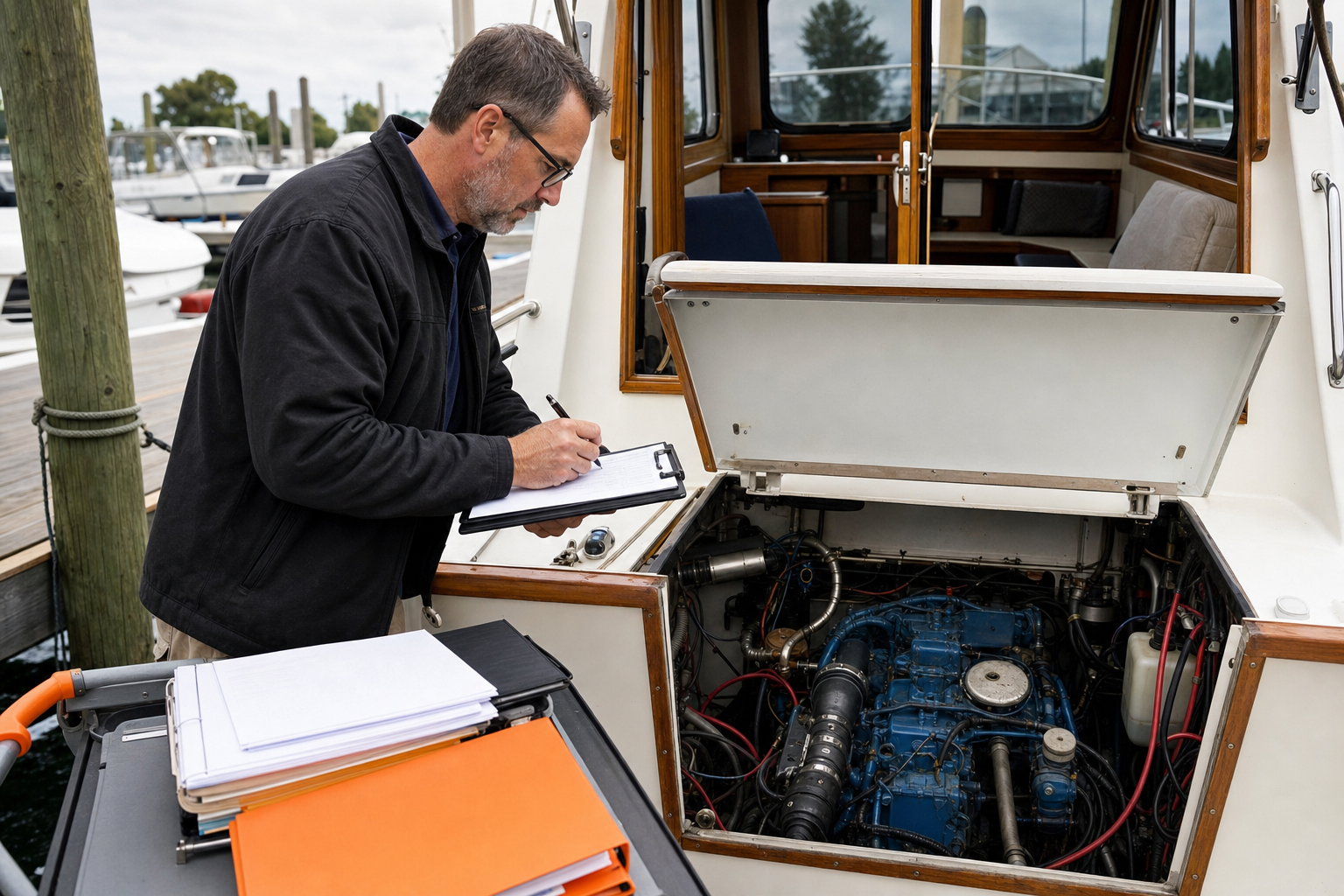

Two boats that look alike can produce very different bills. Boat rental pricing changes with the boat type, trip length, season, location, fuel use, and who runs the vessel. In Miami listings, daily rates range from $115 to $2,200, yet a single average can hide the gap between budget boats and luxury charters. Here are the main rental models and the costs that can catch you off guard.
1. Aquatic SEO: Our Top Pick for Turning Pricing Traffic Into Bookings
Aquatic SEO is a marine-focused agency for boat rental operators, yacht charters, marinas, dealerships, and service businesses. It isn’t a rental provider. It helps your business get found by people who are already searching for rates, availability, and boats in your service area.
That distinction matters. A renter searching for “pontoon rental price” is closer to booking than someone browsing a generic travel page. We build pages around those high-intent searches, then connect them to clear quote forms, booking paths, and local SEO signals.
Our work also separates organic authority from paid ads. Paid ads can bring demand fast, but each click costs money. Owned visibility is an asset that can keep bringing qualified inquiries after the campaign ends. We track rankings, cost per inquiry, and the quality of each request rather than chasing traffic alone.
For a rental operator, the caveat is simple: SEO needs time and good source data. If your rates, service radius, boat details, or booking rules change often, your site must keep pace. Our boat rental marketing service is built around that operational reality.
2. Hourly Boat Rentals: The Lowest Upfront Commitment
Hourly rentals fit short outings, sunset trips, and first-time boat users. They keep the first payment low, but the hourly rate is often higher than the daily equivalent.
Ask whether the clock starts at pickup or at the scheduled booking time. A late return may trigger another charge. Some operators also set a minimum booking window, though the Miami sample we reviewed did not disclose minimum rental durations.
Hourly pricing works best when you know your plan. A two-hour harbor cruise has a clear end point. A group that keeps adding stops may spend more than expected once extra time, fuel, or captain service enters the bill.
For operators, hourly rates need tight turnaround rules. Cleaning, fueling, safety checks, and handoffs all cut into the usable day. A low headline rate can hurt margin if each booking creates too much dock work.
3. Daily Boat Rentals: The Standard Full-Day Benchmark
Daily rentals give you the cleanest starting point for comparing boat rental pricing. A full day makes sense for families, fishing groups, and customers who want room for weather delays.
Miami listings show how wide the market can be. Reward Fleet lists rates from roughly $115 to $2,000 per day. Double Threat Charters lists around $1,250 to $2,200. Those figures describe very different products, so a listed average should not guide a real purchase decision.
Compare the same details before you compare the rate:
- Boat length and passenger limit
- Engine type and expected fuel use
- Captain inclusion
- Insurance or damage waiver terms
- Dock, tax, cleaning, and cancellation fees
A daily rate is only the base. Get the full written estimate before you treat it as your trip cost.
4. Weekly Boat Rentals: Better Value for Longer Stays
Weekly rentals usually make more sense for sailing trips, island stays, and groups that want the boat for several nights. The daily equivalent may fall when you book a longer term, but the total bill is much larger.
A seven-night bareboat catamaran charter can run about $8,000 to $14,000 in the example covered by the sailing source material. The final amount can rise with fuel, mooring, provisioning, insurance, and optional equipment.
Season drives the weekly rate. Charter companies often divide the year into low, mid, and high periods. Winter is commonly the high season in the Caribbean, while warmer months can bring lower rates. Peak hurricane risk can change the value of an off-season deal, so a cheaper date needs a clear cancellation policy.
Weekly trips also change food costs. A simple meal plan and self-managed grocery run can cost less than restaurant meals or a paid provisioning service. Ask what the base quote includes before you split the cost across the group.
5. Bareboat Charters: Lower Base Cost for Qualified Operators
A bareboat charter lets a qualified renter operate the boat without a hired captain. It can lower the base cost, but it shifts navigation, safety, provisioning, and boat care to your group.
The term has a specific meaning in marine travel. A bareboat charter definition describes a vessel hired without crew, so the renter takes responsibility for running it. Requirements vary by destination and operator. Don’t assume boating confidence alone will meet the rules.
Captain savings can be meaningful, but so can the risk. A captain may need a cabin, meals, and a tip. A bareboat renter may instead need proof of skill, a security deposit, and an approved sailing resume.
| Cost area | Bareboat model | Captain-included model |
|---|---|---|
| Base rental | Often lower | Usually higher |
| Boat operation | Renter handles it | Captain handles it |
| Cabin use | Reserved for the group | May include crew space |
| Fuel and mooring | Usually needs a separate estimate | Needs a separate estimate |
| Best fit | Qualified operators | Groups seeking less duty |
The cheaper base rate is useful only if the lead operator is ready for the job. Safety should decide this choice, not price alone.
6. Crewed and Captain-Included Rentals: More Service, Fewer Operating Demands
Captain-included rentals suit groups that want to relax instead of run the boat. Crewed yacht charters add more service, which changes both the price and the type of experience being sold.
A captain may handle route planning, docking, anchoring, and local water knowledge. On a crewed trip, guests may also pay for meals, cabin space, gratuity, and added service. These costs need to appear in the quote, not arrive as a surprise at the end.
For operators, captain-included pricing can protect the guest experience while raising labor costs. The business must account for crew pay, training, insurance, and schedule gaps. A captain who improves safety and service may also reduce the number of avoidable problems during a trip.
Read the agreement closely. Confirm the captain’s hours, overnight rules, food plan, fuel treatment, and weather policy before paying the deposit.
7. Pontoon and Small-Boat Rentals: Budget-Friendly Day on the Water
Pontoons and small boats are often the most approachable choice for a local day out. They fit family groups, calm-water trips, and renters who don’t need sleeping space or long-range performance.
The base price is only one part of the decision. Passenger limits, engine size, safety gear, delivery distance, and the renter’s boating experience can affect the final quote. A boat that looks cheap may cost more if it requires a trailer, delivery, or extra fuel.
Small boats also have a tighter weather margin. A renter who books a short window may need a clear reschedule rule. Operators should make that rule easy to find, since unclear weather policies create disputes and poor reviews.
When comparing local listings, split the group cost by person only after you know the full bill. That keeps a low headline rate from hiding a high per-person total.
8. Fishing Charter Operators: Pricing Shaped by Gear, Crew, and Trip Length
Fishing charter pricing reflects more than the boat. The crew, tackle, bait, fuel, target species, and time offshore all affect the quote.
In the Miami source sample, Double Threat Charters lists about $1,250 to $2,200 per day. Reward Fleet lists roughly $115 to $2,000. Kelley Fishing Fleet is tagged for solo travelers and budget-minded families, but its price is not listed.
That missing information is the key lesson. None of the three providers disclosed a minimum rental duration or included amenities in the fields reviewed. A listed average cannot tell you what gear, crew time, or fuel you will receive.
Ask these questions before booking:
- Is the trip private or shared?
- Are rods, bait, licenses, and fish cleaning included?
- Does the captain control the route based on weather?
- Is fuel included or settled after the trip?
For an operator, a page that answers these questions can filter weak inquiries before they reach the dock. Our boat rental lead guide covers the same principle: collect trip date, duration, group size, budget, and boat type early.
9. Catamaran and Motor Yacht Rentals: Premium Pricing for Space and Performance
Catamarans and motor yachts sit at the high end of boat rental pricing because they provide more room, power, range, and onboard systems. Size is often the first price driver, followed by age, cabin count, equipment, and season.
A 45-foot catamaran with multiple cabins has a different cost structure from a small center console. Air conditioning, a watermaker, Wi-Fi, paddleboards, and other water toys may add to the rate or appear as optional extras.
Motor yachts also consume more fuel when run at speed. A quote that looks close to a sailing catamaran can separate quickly once fuel and dockage enter the calculation. Ask for an expected fuel method, not a vague promise that fuel is “extra.”
Location matters too. A popular island base may have higher marina and mooring costs than a quieter anchorage. In one sailing example, mooring balls ranged from about $20 to $35 per night, while luxury marina stays could reach $300 to $400 per night. Those figures are location-specific, not a universal market rate.
10. Boat Club Memberships: Recurring Fees Instead of Per-Rental Pricing
Boat clubs replace some per-rental decisions with recurring membership fees. This model can fit a local customer who expects to use boats many times each season.
The right comparison is annual usage, not one booking. Add membership dues, initiation fees, reservation limits, fuel rules, blackout dates, training charges, and any extra cost for larger boats. Then compare that total with the daily rate you would pay for the same number of outings.
Clubs can reduce the work of ownership because the member doesn’t handle storage, repairs, or resale. But access is not the same as ownership. Busy weekends may require early booking, and the available fleet may not match every trip.
For operators, memberships can improve schedule stability and recurring revenue. They also create a service promise that lasts all season. If members can’t reserve the boat they want, the fee becomes hard to defend.
How to Compare Boat Rental Pricing
Start with the full trip cost, not the first number in an ad. A clean comparison should show the base rental beside every cost that changes the final bill.
- Boat: type, size, age, passenger limit, and onboard gear.
- Time: hourly, daily, weekly, minimum duration, and late-return rules.
- People: captain, crew, cabin use, gratuity, and meal expectations.
- Trip: fuel, marina, mooring, taxes, insurance, cleaning, and provisioning.
- Risk: deposit, cancellation terms, weather policy, and damage responsibility.
Flexible dates can cut the rate in low or mid-season. Short-notice deals may help when an operator has empty inventory, though they require a flexible group. Repeat customers may also qualify for discounts, and some charter companies run holiday or boat-show promotions.
Operators should publish enough detail to prevent bad-fit inquiries. A rate page with service radius, boat type, minimum rental, inclusions, and a clear quote path protects staff time and improves schedule control.
FAQ
What is the average boat rental price?
There is no useful single average for boat rental pricing because boat types and service levels vary too much. In the Miami sample, reported daily rates ranged from $115 to $2,200, while a calculated average can obscure the product split. That average does not match the actual product split, so compare like-for-like boats instead.
Is it cheaper to rent a boat by the hour or by the day?
Hourly rental usually costs less upfront, while daily rental may provide better value for a long outing. The answer depends on minimum booking time, fuel, late fees, and how long you need the boat. Compare the total trip bill, not the advertised hourly rate alone.
What fees are added to a boat rental?
Common additions include fuel, tax, insurance, captain fees, dockage, mooring, cleaning, provisioning, and a security deposit. Some boats also charge for water toys or special equipment. Boat rental pricing is hard to compare when the listing doesn’t state what the base rate includes, so request an itemized quote.
Are bareboat charters cheaper than crewed charters?
Bareboat charters can have a lower base price because the renter operates the vessel. Crewed charters cost more because they include professional labor and may require meals or crew space. The lower option only fits a renter who meets the destination’s skill and documentation rules.
How can I save money on a boat rental?
You can often save by choosing flexible dates, traveling in a lower-demand season, comparing mooring with marina fees, and booking a longer term when the daily equivalent falls. Plan meals before the trip and ask about repeat-customer or short-notice discounts. Always check weather and cancellation terms before choosing the cheapest date.
For most renters, the smart move is to compare two or three itemized quotes against the same boat type and trip length. For marine operators, Aquatic SEO can help turn that pricing demand into better inquiries through local SEO, paid search, and pages built around actual customer intent. Start by reviewing your service pages with our marine PPC and digital marketing services, then request a clear plan for your market.