Getting a boat without the cash on hand feels impossible until you know the financing steps. In this guide we walk through the exact actions you need to secure a loan and keep the payments realistic.
Step 1: Set a Boat Financing Budget You Can Actually Carry
Start by figuring out how much you can afford each month. Improve your net income, subtract business expenses, and leave room for insurance, dock fees, and routine maintenance. A good rule of thumb is to keep the loan payment under 20 % of your monthly cash flow.
Next, decide on a down‑payment that won’t strain your reserves. Most lenders expect 10‑20 % up front, but a larger payment reduces both interest and loan term. Write down the total price you’re willing to pay, then subtract the down‑payment to get the loan amount you’ll actually need.
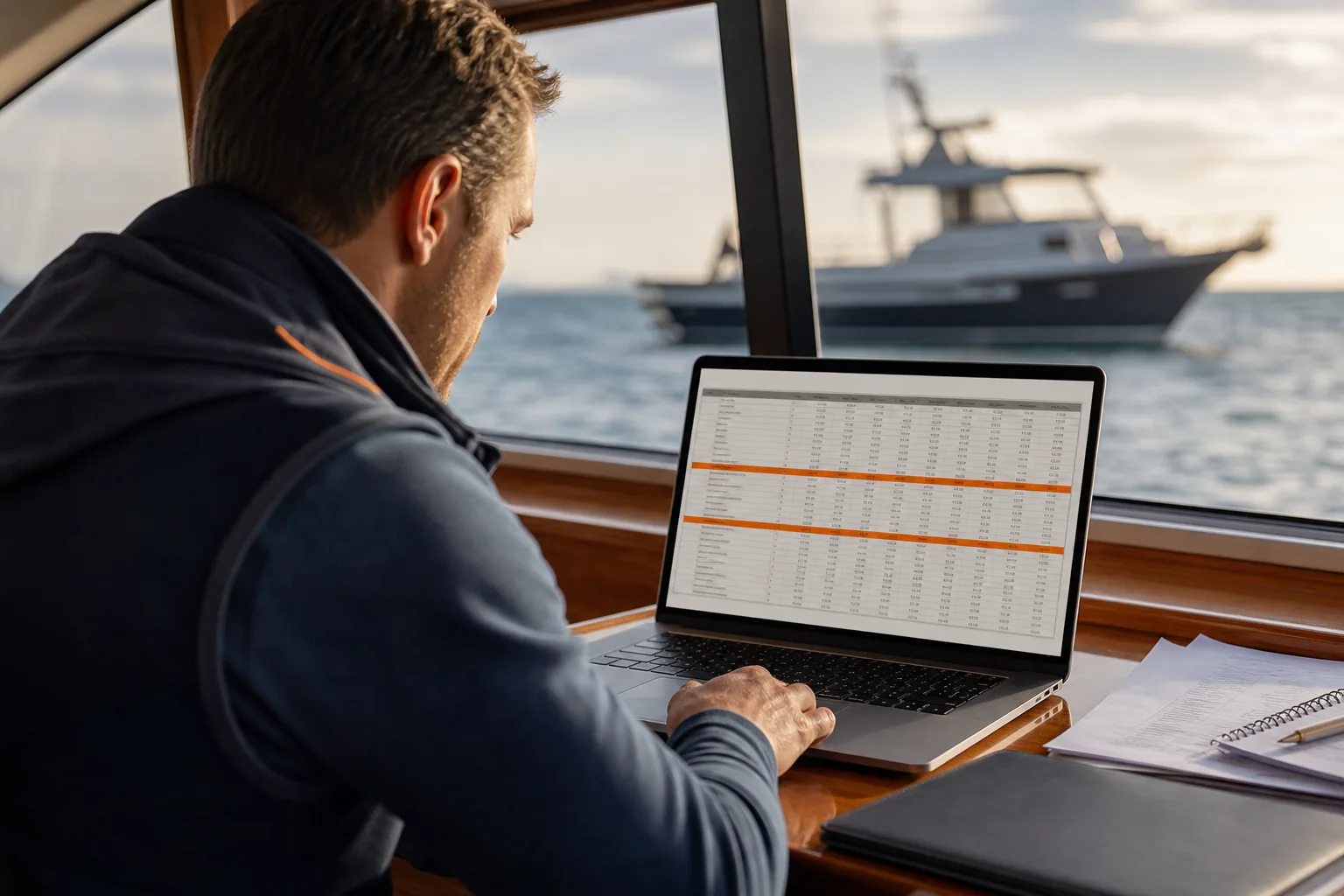
We recommend using a simple spreadsheet to model different payment scenarios. Plug in interest rates from 5 % to 7 % and test terms from 12 to 84 months. The spreadsheet will show you the monthly payment and the total interest cost for each combo.
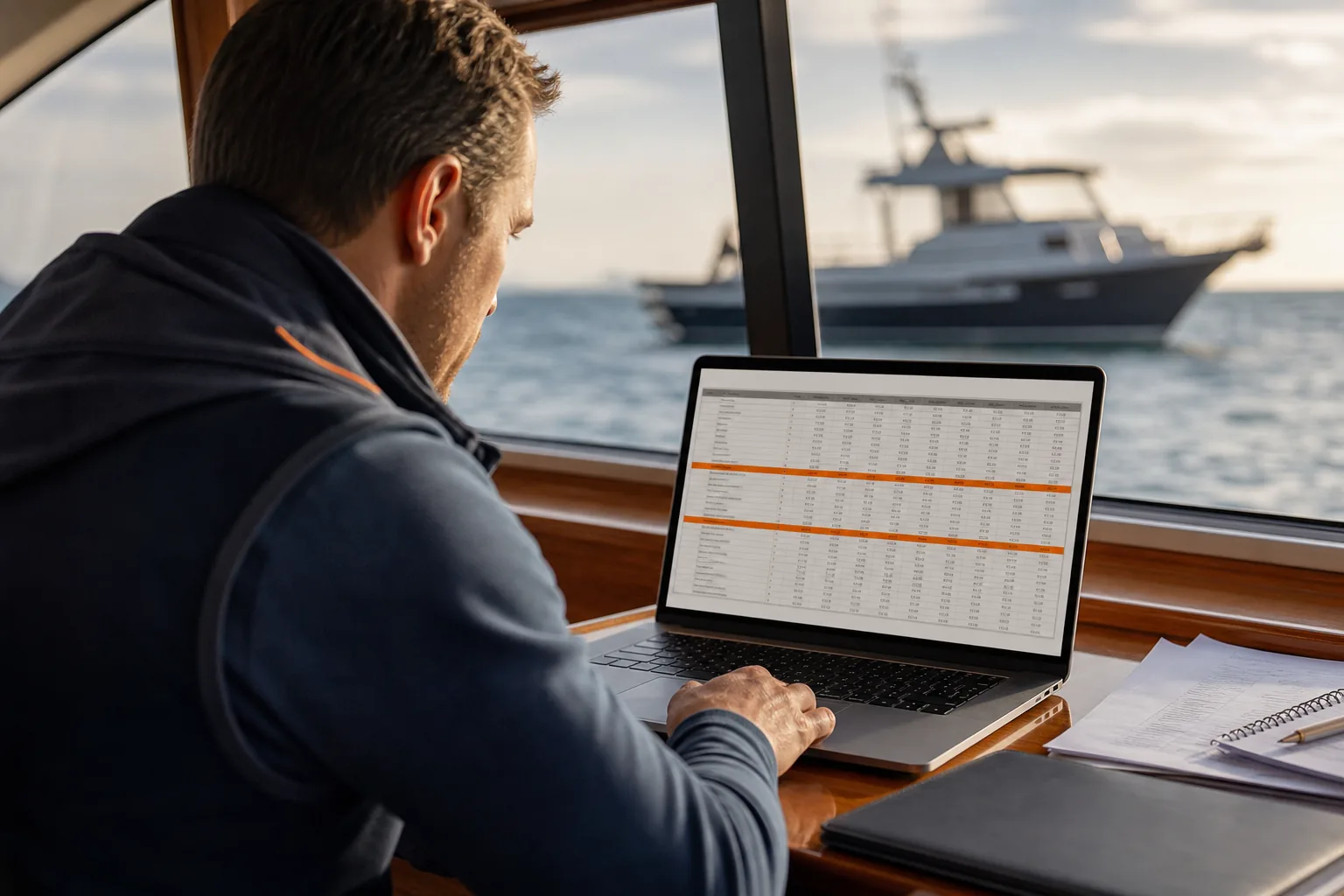
When the numbers line up, you’ll have a clear ceiling for what you can borrow. If you need a deeper dive on how to value the boat you’re eyeing, check out How to Value a Boat: A Usable Guide. That guide walks through age, condition, and market data so your loan request matches the vessel’s true worth.
Step 2: Check Your Credit and Prepare the Application
Your credit score is the single factor that shapes the APR you’ll see. Pull a free report from the major bureaus and look for errors. A single wrong entry can add a full percentage point to your rate.
Fixing those errors is easier than you think. Use a free credit-report tool to scan your report, flag mistakes, and generate dispute letters. A credit-report resource can walk you through the process step‑by‑step.
After you’ve cleaned up your report, gather the paperwork lenders typically ask for: recent tax returns, profit‑and‑loss statements (if you run a charter), proof of insurance, and a copy of the boat’s title. Having everything ready speeds up the approval and shows the lender you’re organized.
Step 3: Compare Boat Financing Offers by Total Cost
Don’t stop at the headline APR. Add up every fee, the length of the loan, and the total interest paid over the life of the loan. Two lenders may quote different APRs, but if one tacks on a processing fee and the other offers a longer term, the true cost can swing dramatically.
The total interest on a long-term loan can exceed the boat’s price.
For a neutral reference, see Wikipedia’s overview of boat loans. It explains how interest accrues and why term length matters.
Step 4: Choose the Financing Structure That Fits the Boat
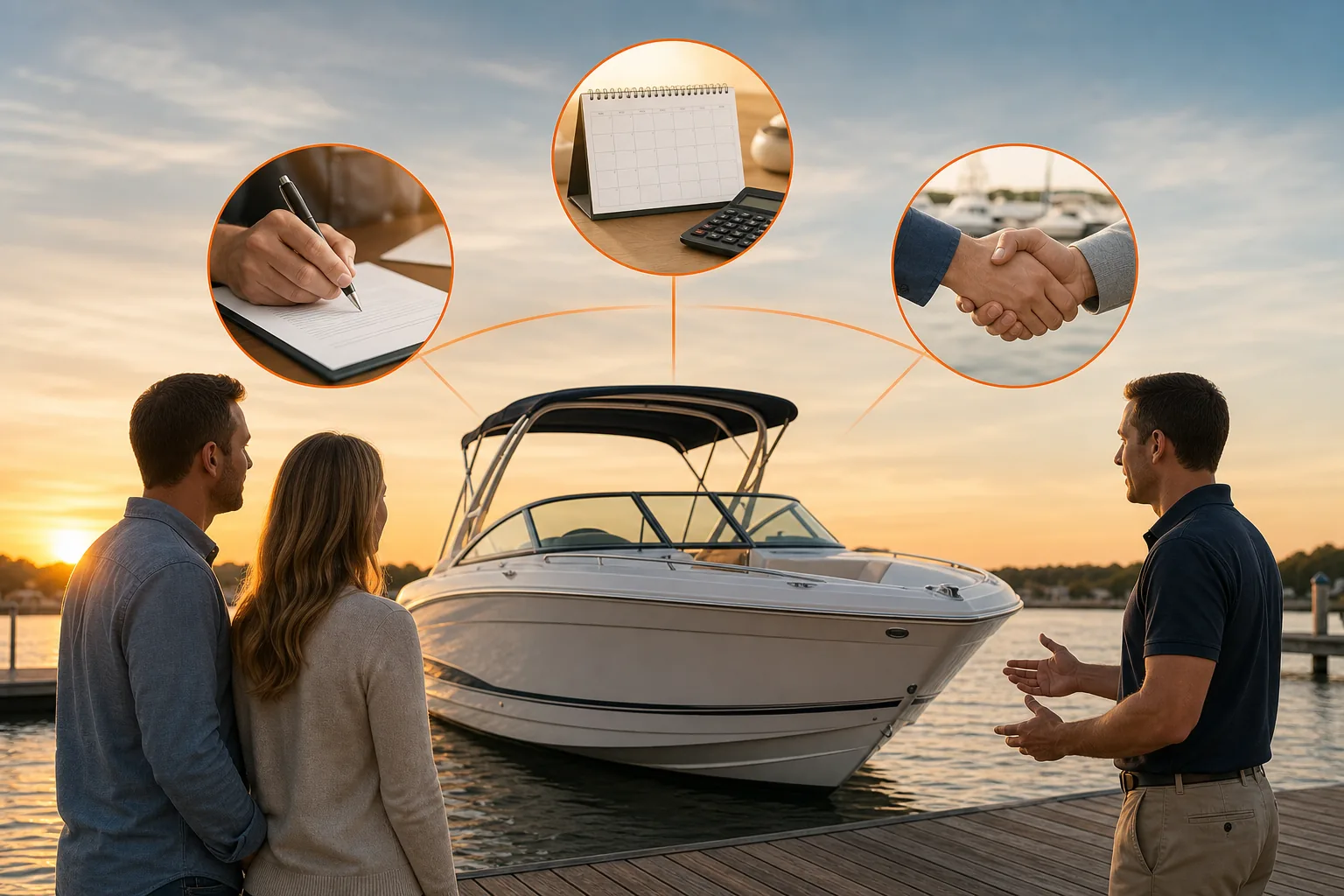
Three main structures dominate the market: a traditional bank loan, a lease‑to‑own plan, or dealer‑offered financing. Each has a different cash‑flow impact.
| Structure | Pros | Cons |
|---|---|---|
| Bank Loan | Lower rates for good credit; ownership at day one | Requires strong credit; may need larger down‑payment |
| Lease‑to‑Own | Lower monthly payment; flexible upgrade path | Higher total cost; you don’t own until the final payment |
| Dealer Financing | Convenient; can bundle with service packages | Often higher APR; hidden processing fees |
Match the structure to your business rhythm. If you run a charter that needs cash flow for crew wages, a lease may keep monthly outlays low. If you plan to keep the boat for many years, a bank loan usually ends up cheaper.
Need help weighing these options for your specific operation? Our own Best Marketing Agencies for Boat Dealers in 2026 guide explains how financing choices affect marketing spend and cash‑flow planning.
Step 5: Complete the Purchase Without Missing the Final Costs
When you’ve chosen a lender, the final paperwork includes a few hidden items. Look for title‑transfer fees, registration taxes, and dealer documentation charges. These can add up to 2‑3 % of the purchase price.
Ask the lender for a “good‑faith estimate” that lists every charge before you sign. Compare that estimate to the dealer’s invoice and flag any surprise line items.
Finally, set up automatic payments. Missed payments hurt your credit and can trigger penalties that quickly erode your profit margin. A simple auto‑pay rule keeps your financing on track and frees you to focus on the water.
If you need a partner who can keep your marketing aligned with the financing timeline, Aquatic SEO knows the marine sector inside out. We help you turn qualified financing leads into repeat customers.
For those looking to move beyond financing and actually sell boats, How to Become a Boat Broker: 7 Steps lays out the licensing, networking, and sales‑process basics.
FAQ: Boat Financing Questions
What credit score do I need for a boat loan?
You generally need a score of 660 or higher for the best rates. Scores below 600 can still qualify, but expect higher APRs and possibly multiple hard pulls.
Can I finance a used boat?
Yes, most lenders offer loans for both new and used vessels. Used‑boat rates tend to sit a few tenths higher than new‑boat rates, reflecting the higher risk.
How much down payment is typical?
Most lenders ask for 10‑20 % of the purchase price. Putting more down lowers both the monthly payment and the total interest paid.
Are there tax benefits to boat financing?
If the boat is used for business, you may deduct the interest as a business expense. Consult a tax professional to confirm eligibility based on your usage.
What hidden fees should I watch for?
Watch for processing fees, title‑transfer charges, and registration taxes. These can add up to several thousand dollars, so request a full cost breakdown before signing.
Is a longer loan term better?
A longer term reduces your monthly payment but raises the total interest paid. For most marine businesses, a term under 60 months balances cash flow and cost.
Getting the right financing plan is only half the battle. The other half is turning that boat into revenue.
Conclusion
Start with a realistic budget, clean up your credit, compare total costs, pick the right structure, and double‑check the final fees. If you want a partner who understands marine cash flow and can turn financing into qualified leads, reach out to Aquatic SEO and let us help you chart the course.