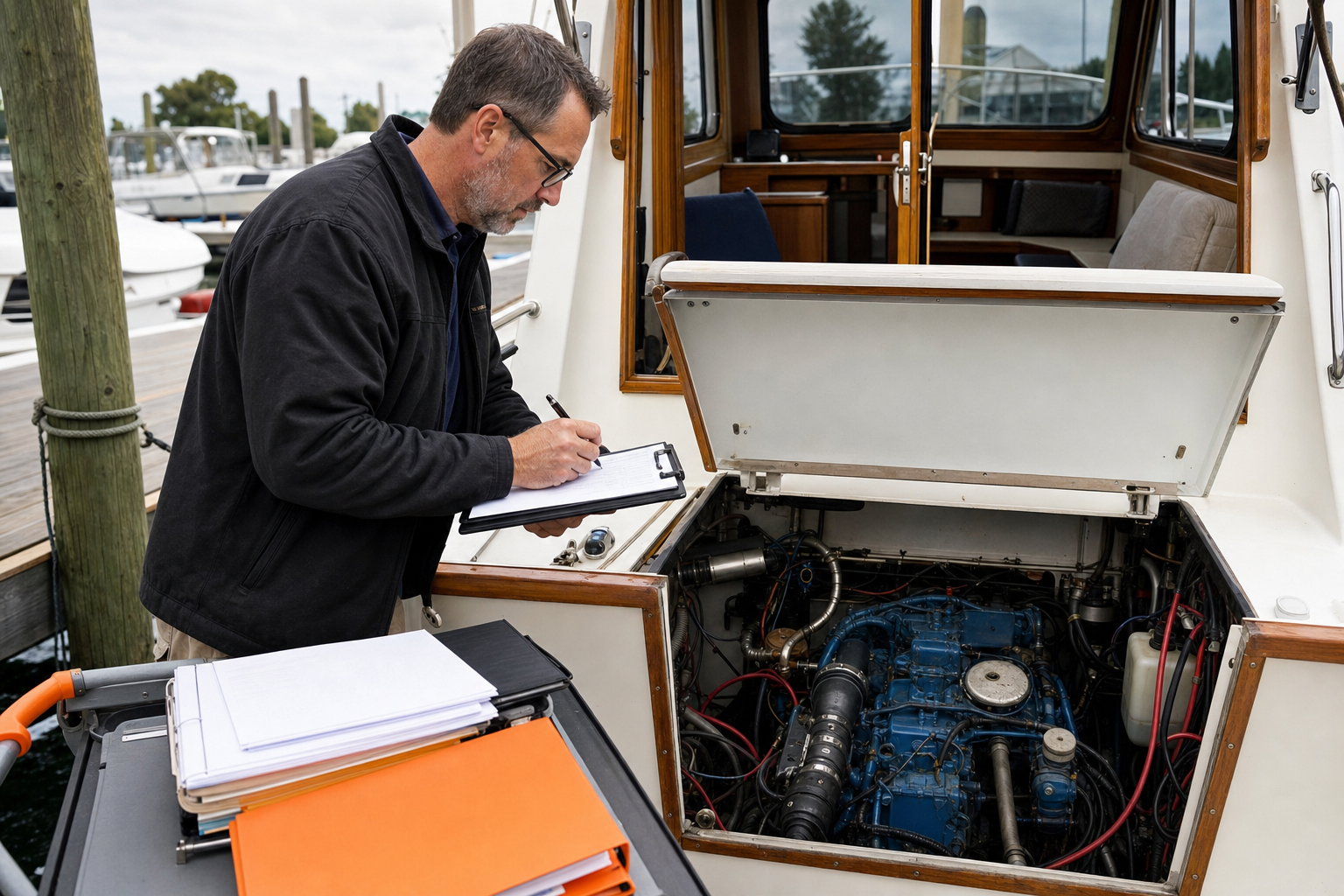
Boat rental insurance gets complicated fast when a personal boat policy meets paid passengers, changing crews, and commercial use. The wrong policy can limit trips, cap passengers, exclude alcohol, or leave shore-side activity uncovered.
Here are the best options to investigate, plus the coverage questions that can keep your fleet, guests, and cash flow better protected.
1. Aquatic SEO (Our Top Pick) , Marine-Specific Demand Generation for Qualified Rental Inquiries
Aquatic SEO isn’t an insurer. We help boat rental operators generate more qualified inquiries before they spend money on coverage or add another booking channel.
That distinction matters. A rental company may have the right policy and still depend too heavily on aggregators, paid ads, or low-intent traffic. Our work builds organic authority around the services, locations, boat types, and trip details you actually want to sell. You can also review our boat rental company marketing services when you need demand tied to your operating model.
The caveat is simple: Aquatic SEO doesn’t replace a licensed insurance agent or broker. It helps you build a steadier source of qualified booking demand while you handle policy design with an insurance professional.
Owned visibility is an asset. Paid ads stop when the budget stops.
2. BoatUS, Peer-to-Peer and Recreational Boating Coverage to Investigate
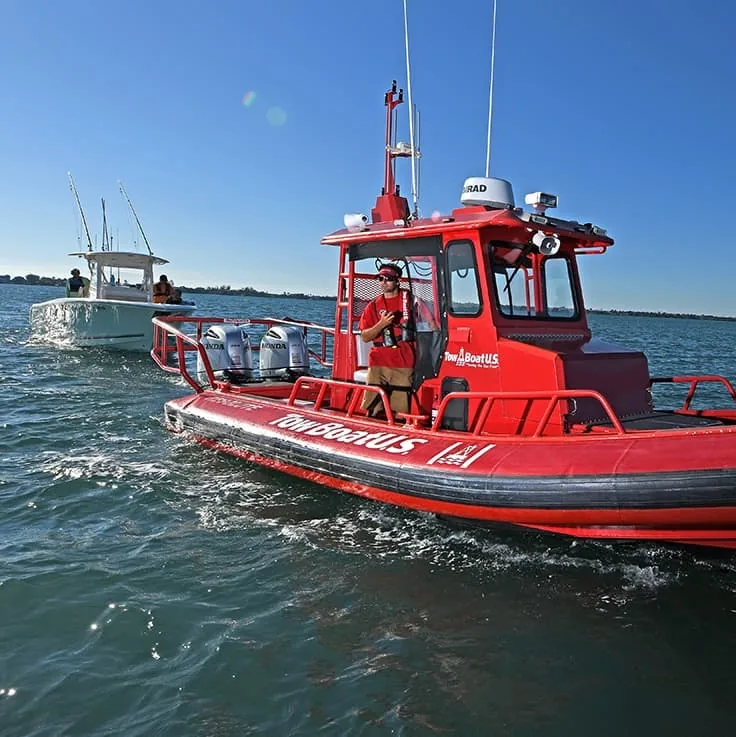
BoatUS is worth checking when your rental activity runs through an eligible peer-to-peer platform or when you need recreational boat coverage. The key issue is use. Platform protection during a booked rental is different from a personal policy that may exclude paid use.
Policy terms, limits, exclusions, and state availability vary, so read the actual policy rather than relying on a listing page.
For platform listings, confirm when coverage starts and ends. Ask who handles damage to the hull, passenger injuries, towing, deductibles, and claims evidence. If you run a commercial operation, expect the platform or underwriter to request your existing policy before approval.
This route can be convenient for occasional rentals. It may not fit a full-time charter business with its own booking system, crew, or year-round schedule.
3. Mainstream Boat Insurance Options Requiring Careful Commercial-Use Verification
Mainstream insurers may offer boat coverage to investigate, but recreational coverage is not automatically commercial boat rental insurance.
A broad insurance product range and customized coverages can make a mainstream insurer a reasonable starting point for a quote when your use is personal or clearly accepted by underwriting. Start with the exact activity, not the boat’s value.
Tell the agent if guests pay for access, if a captain is provided, if the boat is listed on a platform, or if trips run under a business name. Ask for written confirmation that the policy permits rental or charter use. Also check passenger limits, navigation area, storage rules, towing, and exclusions for racing or stunt activity.
A mainstream insurer may be a poor fit if the application treats your fleet as recreational when your revenue depends on repeated bookings. A low quote is worthless if the use falls outside the contract.
We’d compare this option only after the commercial-use question is answered in writing.
4. Commercial Marine Insurance for Rental and Charter Operators
Commercial marine insurance is worth discussing when a boat rental or charter operation needs business coverage.
Commercial coverage may include general liability, commercial property, and accident medical. Review available options with a broker who can match the product to your operation.
Bring a clear business plan. Underwriters may need vessel details, operator experience, loss history, planned trips, passenger count, captain credentials, and safety procedures. A startup with no claims history may need to explain its training and controls in more detail.
Ask how the policy treats bareboat rental, captained trips, water sports, alcohol, and passengers leaving the vessel. Those details can change the risk class.
Commercial marine insurance is better suited to a serious business conversation than a quick personal quote. Expect more questions.
5. Coverage for Unusual Rental Risks, Coverage to Compare for Specialized Needs
Coverage for unusual rental risks can be useful when your boat rental business has risks that a standard carrier won’t accept.
This may include older vessels, unusual equipment, larger passenger loads, water sports, or a service area with added storm exposure. The underwriter will usually care about the boat’s age, length, value, usage, location, and loss history. Equipment upgrades should be reported because new electronics or safety gear can affect the insured value and repair profile.
Ask for the policy’s physical damage basis. Is the vessel covered at agreed value or on another basis? What happens after a partial loss? Does the policy include the motor, trailer, electronics, and portable equipment?
The limitation is access. You may need a broker who knows which markets accept commercial marine risks. This category works best when a standard quote has already failed or leaves major gaps.
Don’t hide a difficult risk. Describe it early and let underwriting price the real business.
6. Tailored Coverage for Higher-Value Vessels and Complex Use
Tailored marine coverage is a category for higher-value vessels, complex operations, or commercial use that needs a tailored review.
It can make sense when you operate several boats, carry more passengers, provide a captain, or combine rentals with charter trips. The insurer may ask for a marine survey, maintenance records, photos, safety certificates, captain credentials, and a written operating plan. Those documents help show how the risk is managed.
Management software can also help your case when it records inspections, maintenance tasks, incident reports, or vessel checklists. It doesn’t guarantee a lower premium. But clean records give an underwriter more to assess than a short application.
Complex underwriting takes time. Start before your launch date, especially if a survey or licensing review is required.
7. Commercial Marine Insurance Brokers, Policy Design When Standard Insurers Decline Rental Use
A commercial marine insurance broker helps place risks that don’t fit a standard personal boat policy.
The broker’s value is market knowledge. They can explain which insurers may consider rental, charter, livery, jet ski, parasailing, or multi-passenger activity. They can also help frame your experience, training, business plan, and safety controls for underwriting.
Prepare a single information pack with vessel registrations, ownership documents, captain licenses, passenger capacity, operating area, projected trip count, waiver form, maintenance plan, and prior claims. If you run a new business, include relevant boating experience and certifications. Underwriters need a reason to trust the plan.
Broker placement may cost more than a direct online quote, and it won’t force an insurer to accept the risk. Still, it can save time when several general carriers decline the same operation.
Use this route when the policy wording matters as much as the premium.
8. Rental-Company-Provided Insurance, Convenient Platform Protection with Limits to Scrutinize
Rental-company-provided insurance can be simple for a customer booking a single trip. The operator must still confirm what the protection covers and who is responsible after a claim.
Check whether the coverage applies only during the reservation window. Ask about liability limits, hull damage, medical payments, uninsured boaters, towing, deductibles, and damage caused by an unapproved operator. A waiver may support the claim file, but it doesn’t erase every duty or exclusion in the policy.
Pay close attention to passenger limits and alcohol rules. A policy may allow a certain vessel capacity but impose a lower insured passenger count. Another may exclude alcohol service or require the operator to control how guests consume it.
Platform protection is convenient, but it gives you less control over policy terms. For a growing fleet, compare it with a commercial policy that covers your whole operating system.
9. Commercial Insurance for Established Rental Fleets, Greater Control
Commercial insurance for an established rental company gives you more control than booking-by-booking protection.
You can discuss the fleet as a business rather than treating each trip as a separate event. That may help when you manage your own website, accept direct bookings, use staff, or need consistent terms across several vessels.
Ask whether the policy covers every boat or only listed hulls. Confirm the treatment of temporary replacement boats, trailers, shore-side equipment, employees, independent captains, and customer damage. If guests leave the vessel for a dock, restaurant, beach, or water activity, ask where the boat policy ends.
Premiums depend on the risk details. Boat size, age, value, use, location, passenger count, and claim history all matter. Don’t compare quotes by price alone. Compare the exclusions and deductible beside the limit.
This is usually the strongest fit for an operator that has moved beyond occasional listings.
10. Compliance-Focused Coverage, The Choice for Regulated Rental Operations
Compliance-focused coverage is the category to investigate when local rules control how you rent a vessel.
A livery operation may need permits, vessel records, safety procedures, captain credentials, or proof of insurance before launch. Requirements vary by state and activity. Operators should check current state and local boating authority rules for livery permits and related obligations rather than relying on a generic insurance quote.
Build compliance into the policy review. Ask if the insurer needs proof of a permit, inspection, safety certificate, passenger limit, or written waiver. Also confirm that the named insured matches the business entity that collects payment.
This option is less about shopping for the lowest rate. It’s about keeping the policy, permit, and daily operation aligned.
When those documents disagree, a claim can become harder to defend.
Boat Rental Insurance Comparison Table, Coverage, Commercial Fit, and Operator Control
The best choice depends on how customers book, who operates the boat, and how much control you need. Use this table to narrow the next conversation with an agent or broker.
Aquatic SEO can also help you measure which coverage questions bring in serious prospects. Our boat rental lead strategy focuses on source tracking and qualification, so your team sees more of the work it actually wants.
Buyer’s Checklist, Documents, Coverage Limits, Costs, Waivers, and Claims Questions
Before requesting quotes, write down how the business works. Insurers price the activity, not just the boat.
- Vessel year, length, make, model, value, and equipment upgrades.
- Rental type, trip count, operating season, navigation area, and storage location.
- Passenger capacity, captain credentials, boating experience, and staff roles.
- Prior claims, safety training, maintenance logs, inspection records, and survey reports.
- Waiver or release form, booking terms, alcohol rules, and shore-side activities.
Ask each insurer to quote the same limits. Discuss property or hull coverage, personal liability, medical payments, uninsured boaters, towing, emergency service, trailer coverage, and deductibles. Confirm whether the policy covers theft, storms, collisions, sinking, submerged objects, and partial losses.
Then ask what isn’t covered. Racing, stunts, poor maintenance, certain animal damage, and activity outside the navigation area may be excluded. A waiver helps set customer expectations, but it cannot expand the policy.
Cost varies with boat size, age, value, usage, location, passenger exposure, and claims history. A broker may also ask for a business plan before quoting a new operation. Send the waiver with the application when possible, because it shows how you control customer risk.
For claims, keep photos, incident notes, witness details, maintenance records, booking data, and signed forms in one file. Report incidents promptly and ask the agent what evidence they need before repairs begin.
Ready to improve qualified rental inquiries? Try Aquatic SEO free → See how qualification can reduce tire-kickers before they reach your staff.
FAQ
What is the best boat rental insurance?
The best policy is the one that clearly covers your paid rental activity, vessel, passengers, captain, and operating area. A personal boat policy may exclude commercial use. Compare liability, hull damage, medical payments, uninsured boaters, deductibles, passenger limits, alcohol rules, and claim duties before choosing.
Does regular boat insurance cover rentals?
Regular boat insurance may not cover rentals because paid use can fall outside personal policy terms. Ask the insurer to confirm commercial rental or charter use in writing. If customers book through a platform, confirm whether platform coverage applies only during the booking and whether your own policy must still be provided.
How much does boat rental insurance cost?
Boat rental insurance costs vary by boat size, age, value, use, location, passenger count, experience, and claims history. Commercial operations often need more underwriting than personal boat owners. Request matching quotes with the same limits and deductibles, then compare exclusions instead of choosing the lowest premium.
Do I need a waiver for a boat rental?
A waiver is usually an important part of a rental risk process, but it doesn’t replace insurance. The form should match the activity you sell and explain key rules, including passenger conduct, alcohol, equipment use, and shore-side activity. Have a qualified local professional review it before relying on the form.
What does boat rental insurance usually cover?
Boat rental insurance may include liability for injury or property damage, physical damage to the vessel, medical payments, and uninsured boater protection. Some policies also address towing or emergency service. Exact limits and exclusions vary, so ask about the motor, trailer, electronics, passengers, captains, and customer damage.
For most operators, we recommend starting with a commercial marine conversation rather than forcing a personal policy into a business use case. Gather your vessel records, operating plan, credentials, and waiver, then request written confirmation of every major activity. At the same time, work with Aquatic SEO to build owned visibility that brings in better-fit bookings. Review the boat rental company service options and take the next step with a focused demand plan.