Want to turn that boat into cash without the usual headaches? You can do it yourself, stay clear of scams, and keep more money in your pocket. Below is a step‑by‑step guide that walks you through everything from fixing up the hull to closing the deal.
Step 1: Decide What You Need to Fix Before Listing
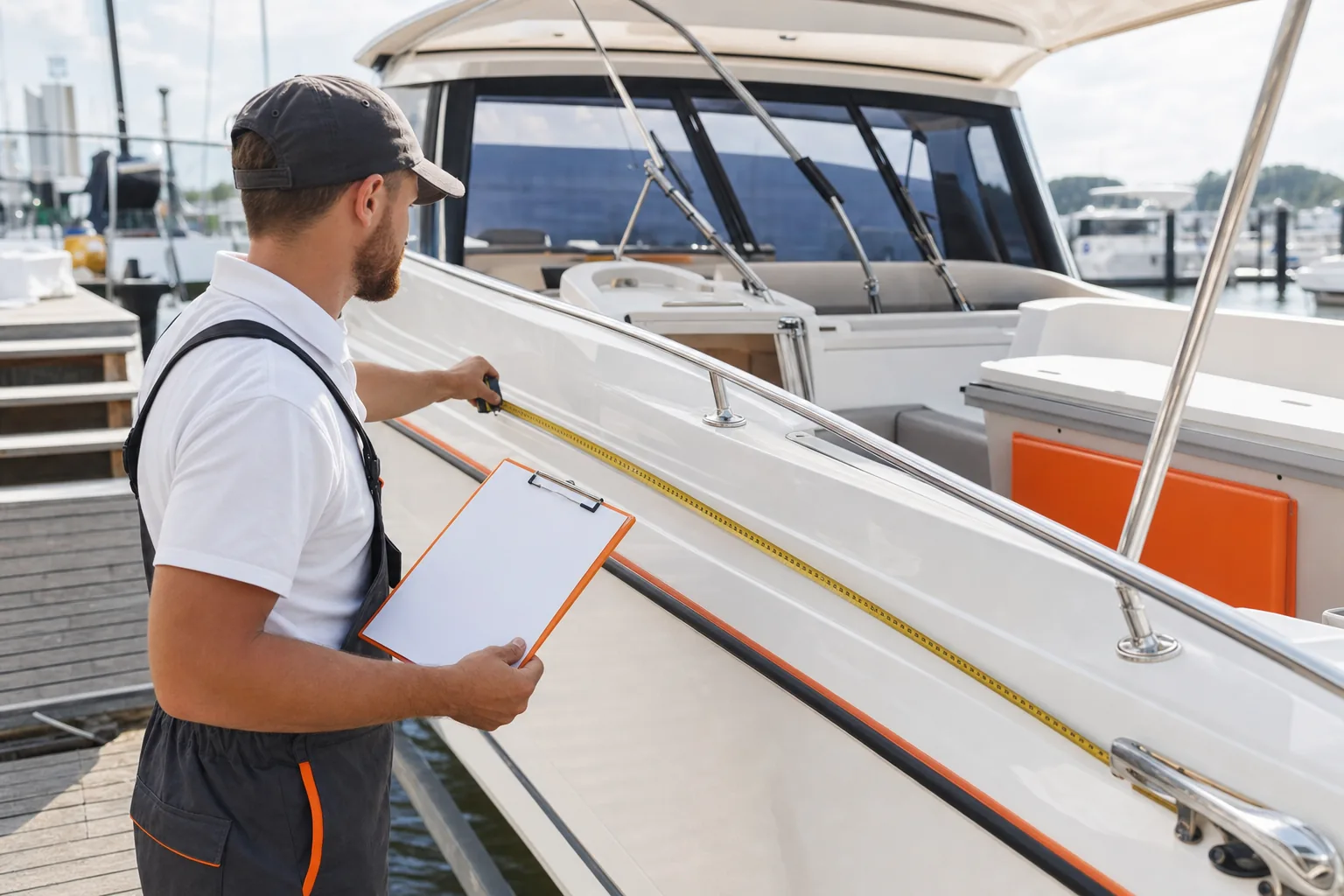
First, give the boat a quick visual sweep. Look for dents, cracked gel‑coat, loose hardware, or any rust spots. Those issues will lower the perceived value and can scare off buyers.
Next, check the applicable boating inspection rules before hitting the water. Boating inspection guidance can help you understand what may be required.
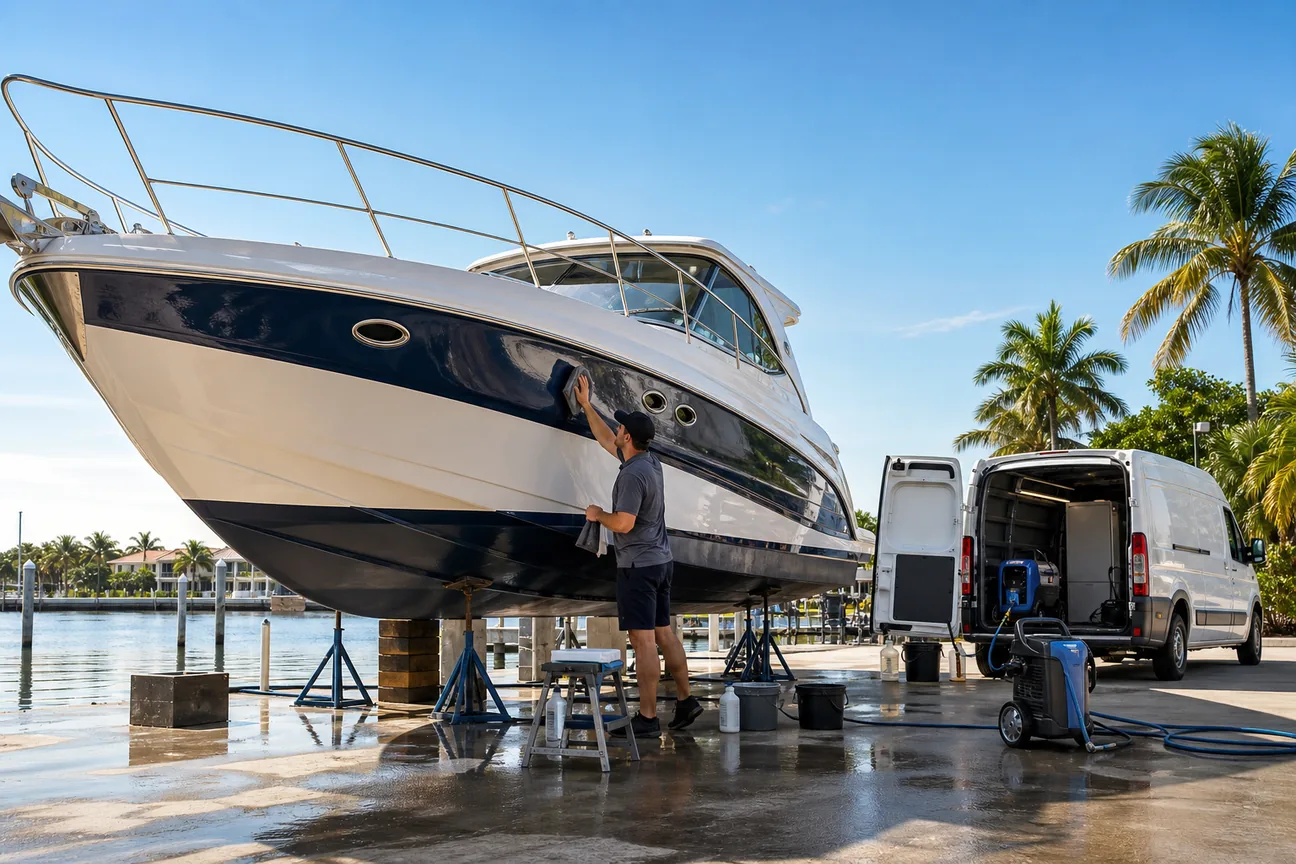
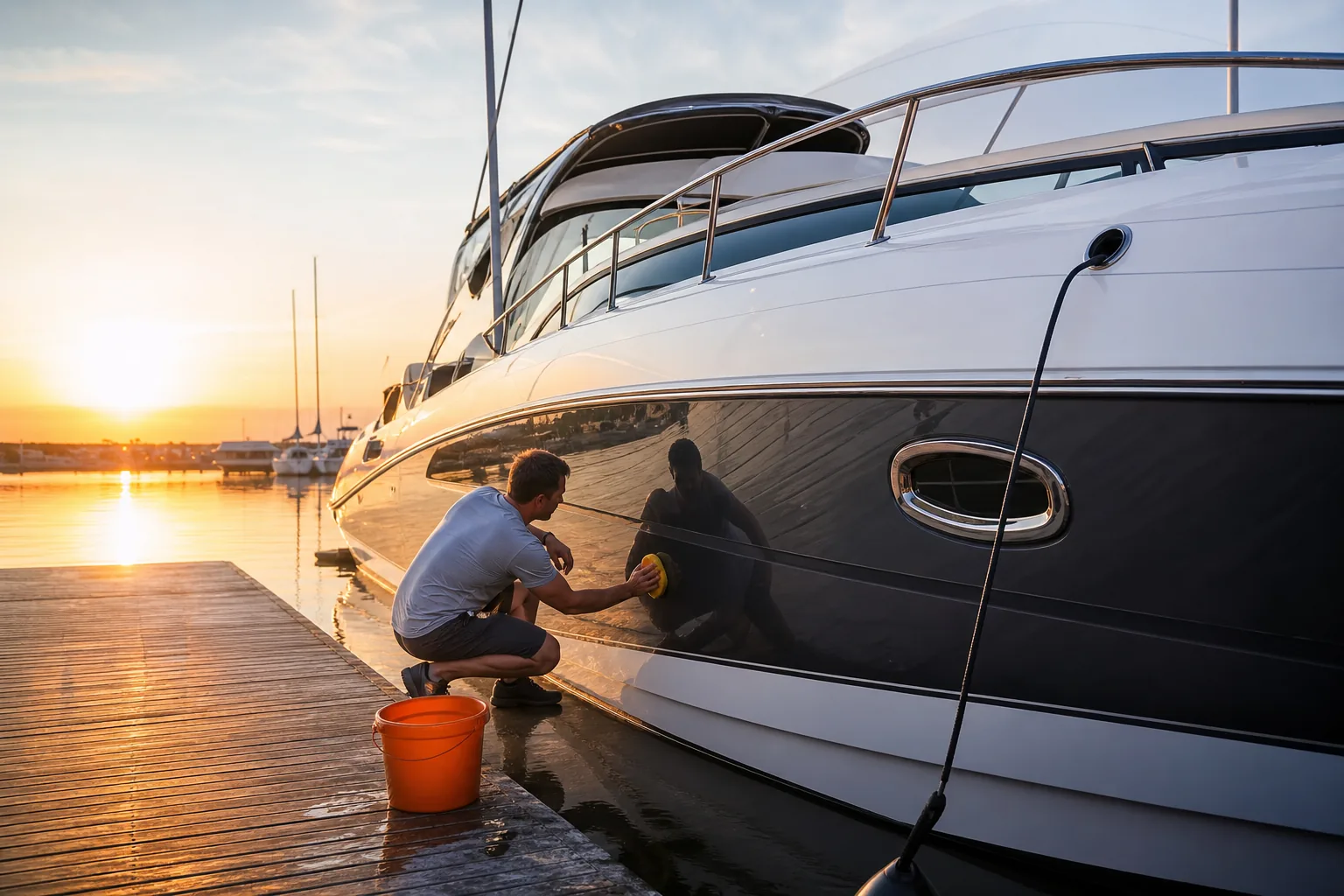
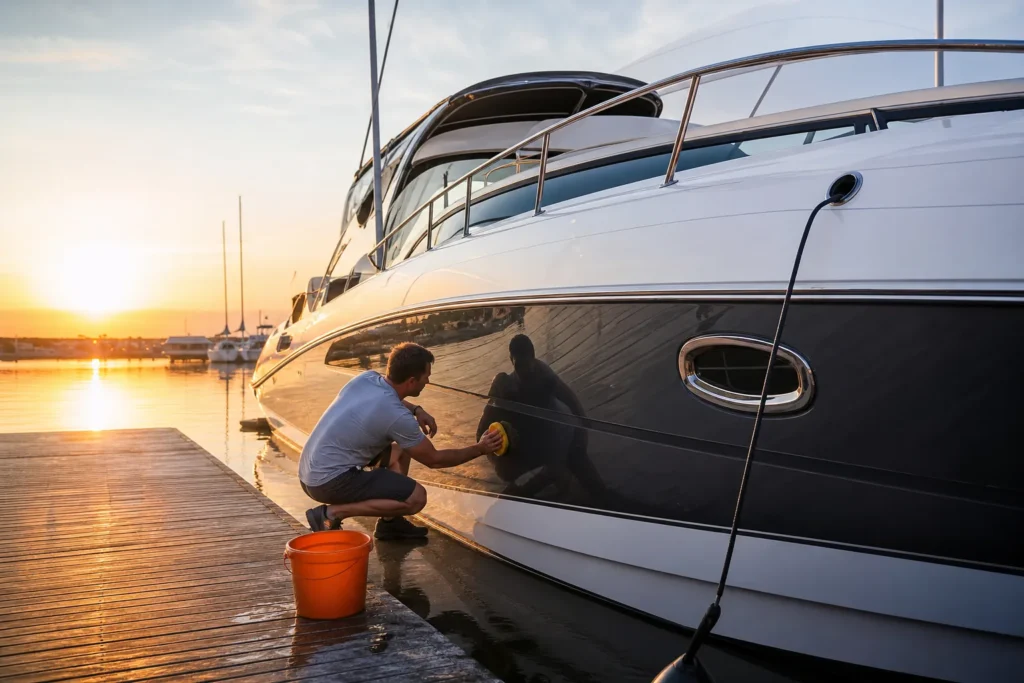
Fix the cheap stuff yourself: clean the deck, wash the hull, tighten loose fittings, and replace any broken lights. If the engine shows low compression or leaks, a quick oil change or a fresh gasket can make a big difference. The goal is to get the boat looking ready for a professional photo shoot without spending a fortune.
After you’ve tackled the obvious fixes, decide whether you need a pro photographer. The Hanse Yachts checklist shows that professional photos are one of the few paid steps that truly boost buyer interest. If you can’t afford a photographer, use a high‑resolution phone camera in natural light and capture the boat from several angles.
Bottom line: spend time on visual prep, follow applicable inspection requirements, and only invest in photography if the budget allows. How to Value a Boat: A Usable Guide walks you through how condition impacts price.
Step 2: Gather Documents and Set a Defensible Asking Price
You’ll need the boat’s title, registration, and any maintenance records. In some states, ownership records can be handled online, so check current state requirements before transferring ownership. Review the applicable state boating guidance.
Collect receipts for major work, engine rebuilds, new electronics, hull repairs, and organize them by date. When a buyer asks for proof, you’ll have it ready and the sale will feel more trustworthy.
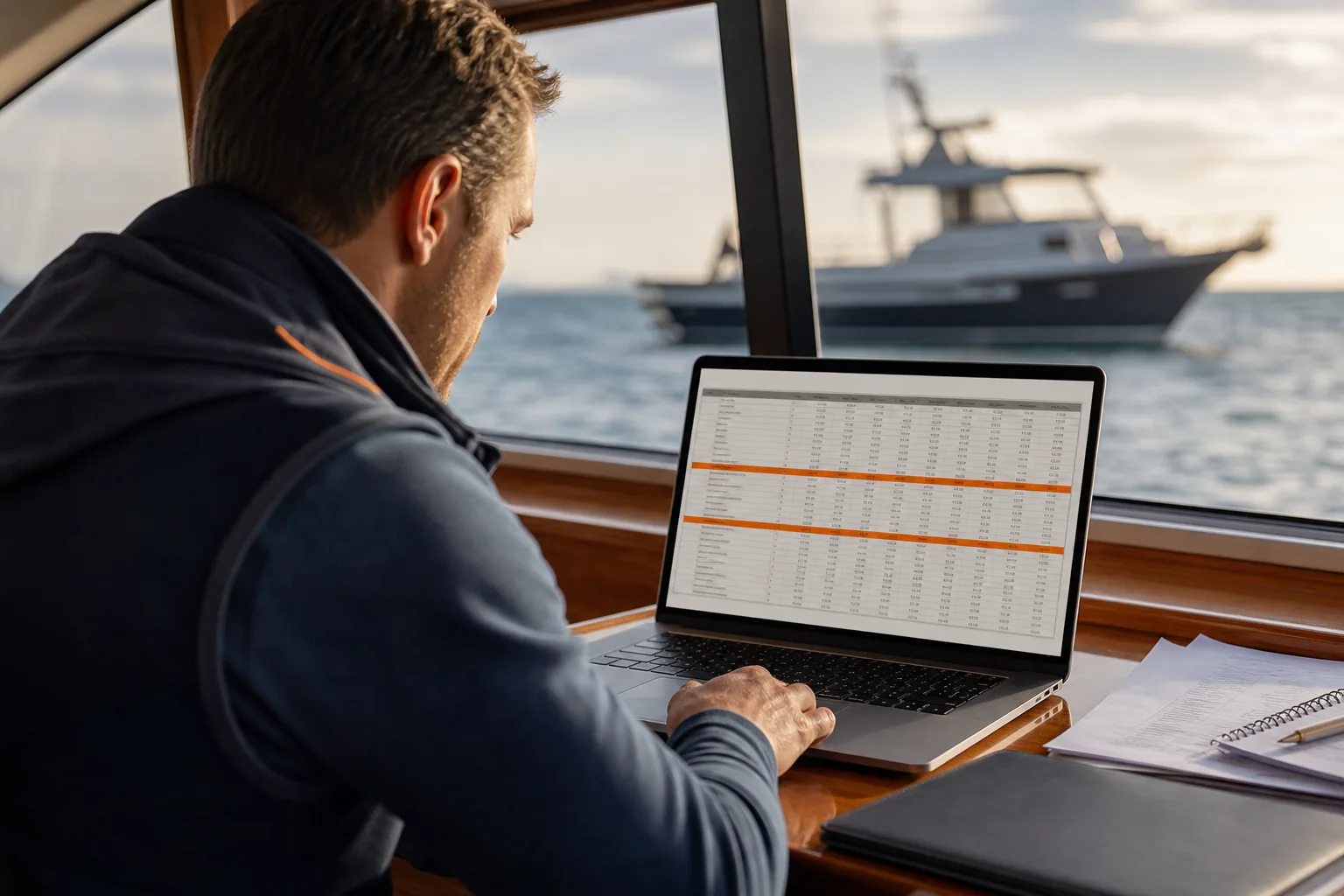
To price the boat, start with the market value of similar vessels. Review general boat valuation guidance. Use that as a baseline, then adjust for condition, upgrades, and seasonal demand.
Write a clear bill of sale that includes the vessel’s hull identification number (HIN), the agreed price, and the date of transfer. In most states, you must notify the department of natural resources within 15 days of the sale.
Remember: a solid paperwork stack protects both you and the buyer from future disputes.
Step 3: Choose the Right Selling Route for Your Boat
There are three main ways to sell: a private listing, a professional broker, or an online marketplace. Each has pros and cons, and the right choice depends on how fast you want to sell and how much work you’re willing to do.
Private listings let you keep the full sale price, but you’ll handle all inquiries, negotiations, and paperwork yourself. Online marketplaces like Boat24 and YachtWorld attract a broad audience, yet they charge a commission that can cut into your net proceeds.
If you lack time or want a smoother transaction, a broker can manage everything for a fee. Brokers have access to a network of qualified buyers and can handle sea‑trials, negotiations, and paperwork. They often charge 5‑10 % of the final sale price.
Think about your credit situation, too. Some buyers need financing, and brokers can help arrange loans even for those with less‑than‑perfect credit.
After weighing speed, effort, and cost, pick the route that matches your timeline. How to Become a Boat Broker: 7 Steps explains the broker side if you decide to go that way.
Step 4: Create a Listing That Attracts Qualified Buyers
A great listing reads like a story about the boat’s life. Start with a headline that includes make, model, year, and key selling point, for example, “2018 cruiser, low hours, recent engine overhaul.”
Follow with a brief paragraph that highlights what makes this boat special: the condition, recent upgrades, and any extras like a Bimini or upgraded electronics. Keep the tone honest; buyers appreciate transparency.
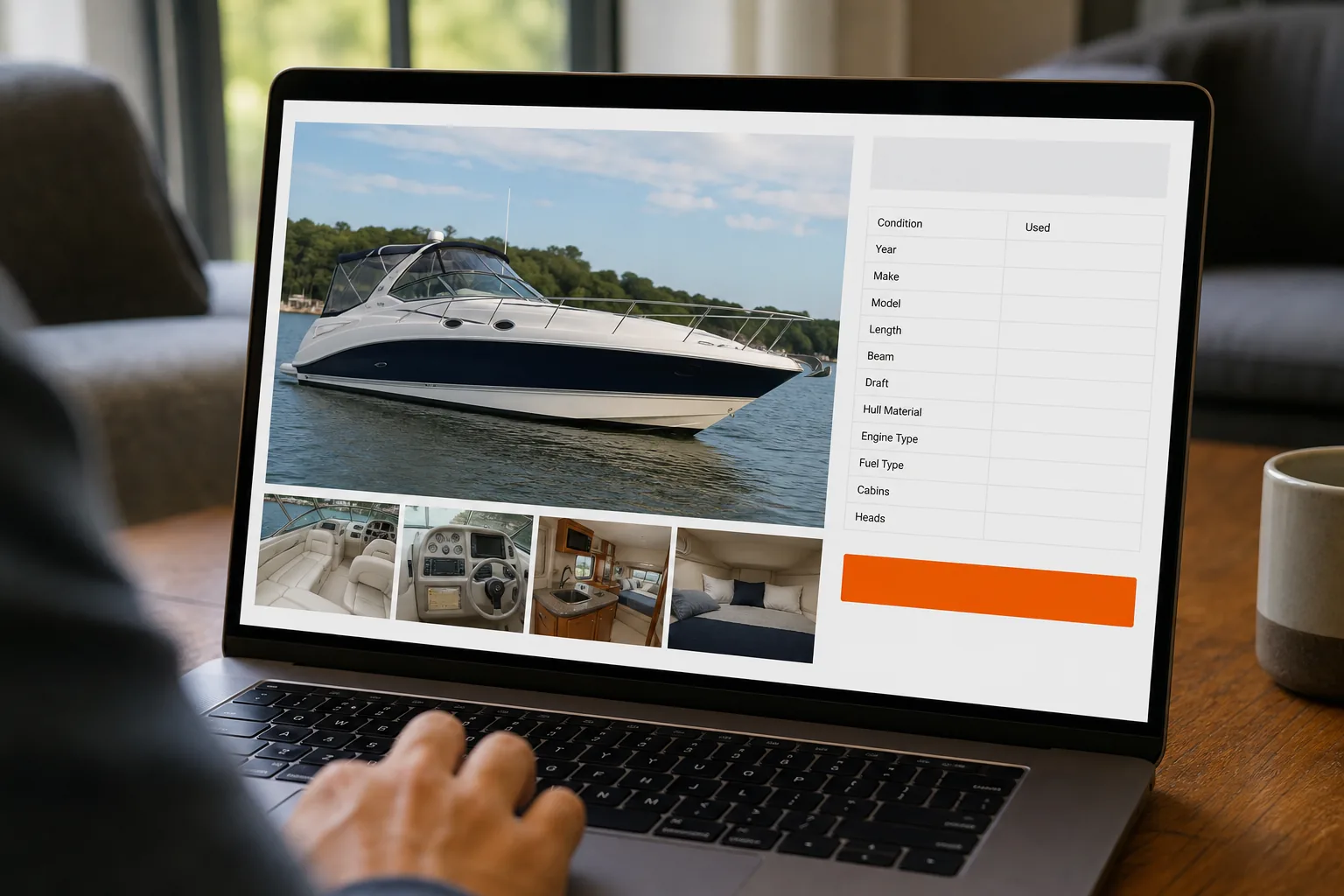
Upload at least six high‑quality photos: exterior, interior, cockpit, engine, and a close‑up of the control panel. Use natural light and shoot from multiple angles. If you hired a pro photographer, add their polished shots; otherwise, your own well‑lit images work fine.
Provide a specs table that lists length, beam, draft, engine type, fuel capacity, and any recent upgrades. This helps serious buyers compare boats quickly without scrolling through paragraphs.
Finally, set a clear asking price and indicate whether you’re open to reasonable offers. Mention that you’ll respond to qualified inquiries within 24 hours to keep momentum.
Step 5: Screen Buyers, Handle Sea Trials, and Close Safely
When inquiries roll in, ask a few qualifying questions: Are they local? Do they have a marine license? How do they plan to pay? This filters out tire‑kickers early.
Schedule sea trials for serious buyers only. Choose a calm day, bring a written checklist, and have a friend or colleague accompany you. During the trial, note how the engine runs, how the steering feels, and whether any alarms light up.
After a successful trial, negotiate the final price. Be ready to justify your asking price with the maintenance records and recent upgrades you gathered earlier.
When you’ve reached an agreement, draft a bill of sale that includes the HIN, buyer and seller names, price, and date. Both parties should sign, and you should give the buyer the original title or transfer confirmation.
Finally, cancel your insurance and notify the state’s registration office of the transfer. In many states, you’ll need to submit the signed bill of sale within 15 days. Lead Generation & Growth for Boat Dealerships – Aquatic SEO can help you set up a post‑sale follow‑up system that captures future referrals.
FAQ
How long does it usually take to sell a boat?
It varies, but most owners see a sale within 30‑60 days if the boat is priced right and marketed well.
Do I need a broker if I already have a buyer?
No. If you have a qualified buyer, you can handle the paperwork yourself, but a broker can still add value by ensuring all legal steps are completed correctly.
What paperwork is mandatory for a boat sale?
You must provide the title, a signed bill of sale, and any state‑required registration transfer forms. Some states also need a marine toilet certificate.
Can I sell a boat that still has a loan on it?
Yes, but you’ll need the lienholder’s permission and a payoff statement. The lien must be cleared before the new owner can register the vessel.
How should I price my boat to attract offers?
Start with the market value of similar models, adjust for condition and upgrades, and set the price slightly below the top of that range to invite interest.
Conclusion
Pick the route that fits your timeline, prep the boat, gather solid paperwork, and market it with honest, compelling listings. Then screen buyers, run a safe sea trial, and close with a clear bill of sale. Ready to start? Use the steps above and watch your boat turn into cash.